
:quality(75)/https%3A%2F%2Fassets.lareviewofbooks.org%2Fuploads%2FUdo%20Keppler%20Standard_oil_octopus_loc_color%20copy%204.jpg "Analyzing China’s Influence in Developing Countries: A Complex Web of Wealth and Power")
Analyzing China’s Influence in Developing Countries: A Complex Web of Wealth and Power
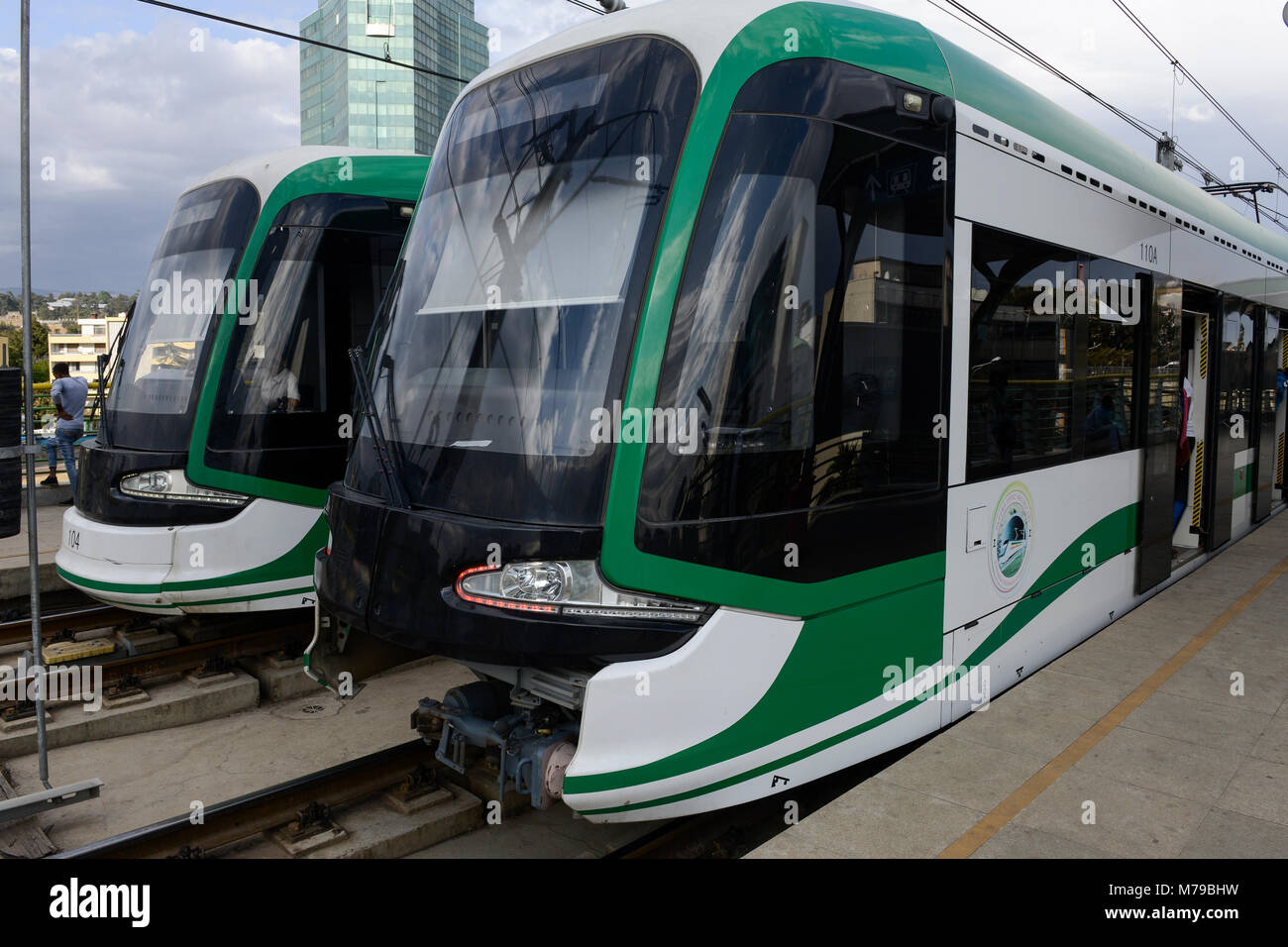
Research on China’s diplomatic engagement in Ethiopia reveals a complex interplay of influence, skepticism, and strategic negotiation, according to a study by Georgia State University professor Maria Repnikova. The analysis highlights inconsistencies in China’s outreach efforts, including state-sponsored trainings for elites that blend aspirational messaging with disorganized presentations, and infrastructure projects like the Addis Ababa light rail, which now faces operational challenges. Ethiopian recipients of Chinese initiatives often balance acceptance of economic offers with private criticisms and selective resistance, while Western influence remains a persistent aspirational benchmark despite limited access.
What Drives China’s Approach in Ethiopia?
China’s engagement in Ethiopia, a key African partner, involves both strategic investments and uneven execution. State-sponsored trainings for Ethiopian elites emphasize China’s governance model as democratic and aspirational but frequently lack coherence, with visitors reporting minimal learning outcomes. Infrastructure projects, such as the BRI-funded light rail system, have seen declining functionality, with many trains no longer operational. These challenges underscore the gap between China’s diplomatic messaging and on-the-ground realities.
How Do Ethiopians Respond to Chinese Influence?
Reactions to China’s presence in Ethiopia are multifaceted. Ethiopian elites selectively accept Chinese economic and diplomatic offers, often negotiating terms to align with their interests. For instance, university administrators require proof of employment opportunities for Chinese language graduates before supporting Confucius Institutes. Meanwhile, public discourse is shaped by rumors, such as claims of Chinese prison labor being used in construction projects. Despite this, many Ethiopians view Western education, culture, and infrastructure as superior, even as they rely on China due to limited access to the West.
What Factors Limit China’s Influence?
China’s sway in Ethiopia faces internal and external constraints. Implementation challenges within China, such as inconsistent project management, weaken its effectiveness. Recipients of Chinese aid and investment also actively reshape these interactions, balancing cooperation with resistance. Additionally, the enduring appeal of Western institutions and values limits the depth of China’s cultural and political influence, even as geopolitical shifts may temporarily increase its role in the region.
What May Happen Next?
Analysts suggest Ethiopia’s relationship with China could evolve as global power dynamics shift. If Western influence wanes further, China may gain more traction, but its ability to sustain long-term partnerships will depend on addressing implementation flaws and adapting to local priorities. Conversely, if Western engagement strengthens, Ethiopia may recalibrate its alliances, balancing economic needs with cultural and political preferences.
Frequently Asked Questions
[What is the primary focus of Maria Repnikova’s study on China’s influence in Ethiopia?]
[The study examines how China’s diplomatic and economic engagement in Ethiopia is both strategic and inconsistent, highlighting mixed reception from Ethiopian elites and the persistence of Western aspirations.]
[What challenges does China face in maintaining its influence in Ethiopia?]
[China’s efforts are hindered by implementation issues, selective acceptance of its offers by Ethiopian actors, and the enduring appeal of Western institutions, which limit the depth and sustainability of its influence.]
[How do Ethiopians perceive Chinese infrastructure projects?]
[While projects like the Addis Ababa light rail were initially significant, many now face operational challenges, reflecting broader issues with sustaining large-scale Chinese investments in the region.]
As global power structures continue to shift, how might Ethiopia’s strategic balancing act between China and the West shape broader geopolitical dynamics in the Global South?