
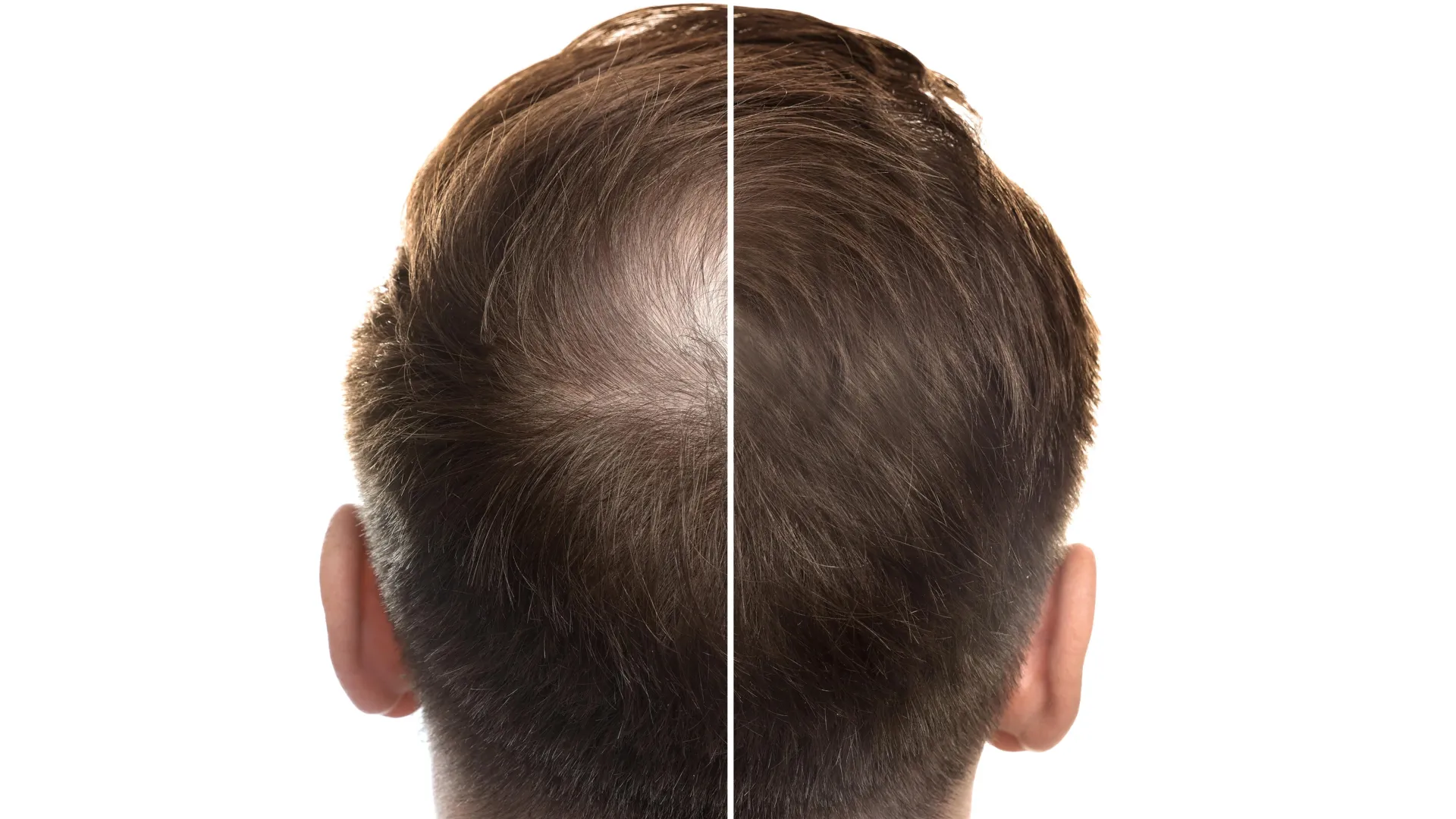
Ancient Chinese medicine could transform hair loss treatment
Androgenetic alopecia, or pattern hair loss, affects millions by shrinking hair follicles until growth stalls. While finasteride and minoxidil remain the standard treatments, a recent review in the Journal of Holistic Integrative Pharmacy highlights Polygonum multiflorum as a potential multi-pathway alternative. By targeting hormone-driven follicle shrinkage and enhancing scalp circulation, this traditional root offers a promising, science-backed direction for future hair restoration therapies.
Why is modern science looking back at traditional roots?
Researchers are revisiting ancient remedies because conventional hair loss treatments often come with trade-offs. According to the Journal of Holistic Integrative Pharmacy, patients frequently seek alternatives to avoid the sexual side effects associated with finasteride or the scalp irritation common with minoxidil. The study, led by Han Bixian, demonstrates that historical records from the Tang Dynasty aren’t just folklore—they describe pharmacological effects that align with modern understandings of hair biology.

Traditional Chinese medicine refers to Polygonum multiflorum as an “essence-nourishing” herb. Modern lab analysis now suggests this “essence” actually refers to the activation of Wnt and Shh signaling pathways, which are essential for transitioning follicles from a resting phase into active growth.
How does Polygonum multiflorum combat hair loss?
Unlike treatments that focus on a single biological target, this herb appears to influence several processes simultaneously. As reported by the research team, it helps mitigate the impact of dihydrotestosterone (DHT), the primary hormone responsible for follicle miniaturization. By protecting follicles from DHT, the herb prevents them from shrinking and producing thinner, weaker hair.
Additionally, the herb supports cell longevity. It helps prevent follicle cells from undergoing premature death, ensuring that the biological machinery required for hair production remains active. By improving blood flow to the scalp, it ensures that follicles receive the oxygen and vital nutrients needed to sustain long-term growth.
What are the safety considerations for patients?
Natural does not always mean risk-free. The review stresses that the preparation of Polygonum multiflorum is critical to its safety profile. In traditional practice, the root undergoes specific processing steps to ensure it is safe for human use. Patients should avoid “self-treating” with raw, unprocessed versions of the herb, as the biological activity—and potential side effects—can vary wildly based on the quality and method of preparation.
| Feature | Conventional Treatments | P. multiflorum Potential |
|---|---|---|
| Primary Focus | Single target (Hormone/Flow) | Multi-pathway regeneration |
| Common Side Effects | Sexual dysfunction, irritation | Dependent on preparation |
What happens next in hair loss research?
While the laboratory and historical evidence is compelling, the scientific community requires large-scale human clinical trials to confirm these results. Current findings bridge the gap between ancient wisdom and pharmacology, but they do not yet replace established medical protocols. Future research will likely focus on standardizing extracts to ensure consistent dosing and safety across diverse patient demographics.
If you are experiencing thinning, always consult with a dermatologist before adding herbal supplements to your routine. Even “natural” treatments can interact with existing medications or underlying health conditions.
Frequently Asked Questions
- Can Polygonum multiflorum cure baldness?
Current research suggests it may support hair regrowth by targeting multiple biological pathways, but it is not a proven “cure.” More clinical human trials are needed. - Is this better than minoxidil?
It offers a different approach by acting on multiple pathways rather than just one. It is currently being studied as a potential alternative for those who cannot tolerate conventional drugs. - Is it safe to buy this online?
The review emphasizes that proper preparation is key. Always look for products from reputable sources that adhere to rigorous quality control standards.
Are you interested in the latest developments in hair restoration? Subscribe to our weekly health newsletter for updates on the latest clinical trials and natural medicine breakthroughs. Have questions about your own hair health? Drop a comment below to join the discussion.