

Ancient Squirrel Poo Reveals Secrets of the Pleistocene Ecosystem
Researchers extracted DNA from 13 ancient squirrel coprolites found in the Yukon permafrost, according to a June 9 report in Nature Communications. Biomolecular archaeologist Tyler Murchie and his team identified DNA from hundreds of species, including woolly mammoths and steppe bison, revealing a complex Pleistocene ecosystem and a population turnover of squirrel species.
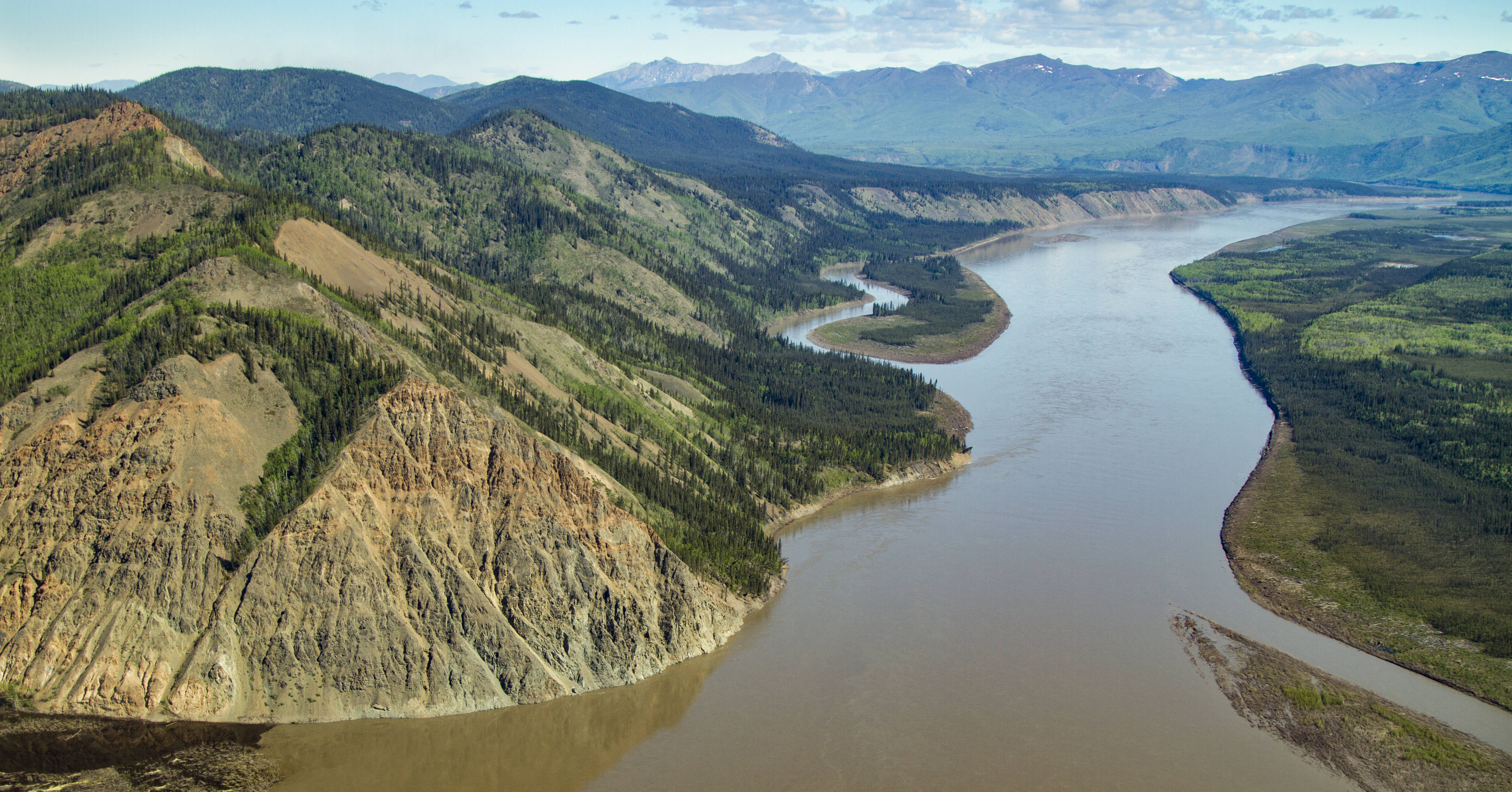
The fecal pellets were discovered in ground squirrel burrows (genus Urocitellus) exposed by gold mining operations. Murchie of the Hakai Institute in Canada stated that as miners melt permafrost, they uncover mummified remains and bones alongside gold.
Murchie noted that these burrows functioned as “latrine areas,” tunnel networks, and food caches. While scientists previously cataloged burrow contents, this study focused on the frozen fecal matter.
How does this DNA change the understanding of ancient squirrels?
The analysis suggests that Pleistocene squirrels were not the same species found in the Yukon today. Murchie stated there appears to have been a “population turnover of some sort.”
The 700,000-year-old sample may represent a new species entirely. According to Murchie, this sample sits on its own evolutionary branch and is most closely related to squirrels currently living in China.
What did the ancient squirrels eat?
The coprolites contained genetic material from a wide variety of sources, including grasses, willows, beetles, and grasshoppers. The DNA also revealed the presence of wolves, ancient horses, steppe bison, and woolly mammoths.
Jaquelyn Gill, a paleoecologist at the University of Maine in Orono, stated the squirrels likely scavenged these larger animals. Gill suggested the squirrels may have chewed on bones as a calcium source.
This omnivorous diet allowed researchers to reconstruct the mitochondrial genomes of 24 different animals. This group included 12 squirrels, six mammoths, three horses, two bison, and one snowshoe hare used as a control.
Why is this discovery significant for ecosystem research?
Gill explained that while a mammoth bone confirms a mammoth existed in an area, coprolites provide a detailed picture of a shared landscape. They show a squirrel living among specific insects and eating particular plants.
Murchie described the squirrels as “naturalists or archivists” that gathered seeds, leaves, twigs, and bones. This behavior preserved a biological record within the frozen permafrost.
What may happen next in this research?
Future analysis could potentially identify more new species if additional samples are recovered from the Yukon valley walls. Researchers may also be likely to refine the evolutionary timeline between North American and Asian squirrel populations.
Additional studies of permafrost “pockets” could possibly reveal more about the gut microbiomes of extinct Pleistocene fauna.
Frequently Asked Questions
How old are the squirrel pellets found in the Yukon?
The samples range from 17,000 to nearly 700,000 years old, spanning the Pleistocene epoch.
What animals were identified in the squirrel DNA?
Researchers identified DNA from woolly mammoths, steppe bison, wolves, ancient horses, beetles, and grasshoppers, among others.
Who conducted the research?
The study was led by biomolecular archaeologist Tyler Murchie of the Hakai Institute in Canada and reported in Nature Communications.
Do you think analyzing ancient diets is the most effective way to understand extinct ecosystems?