
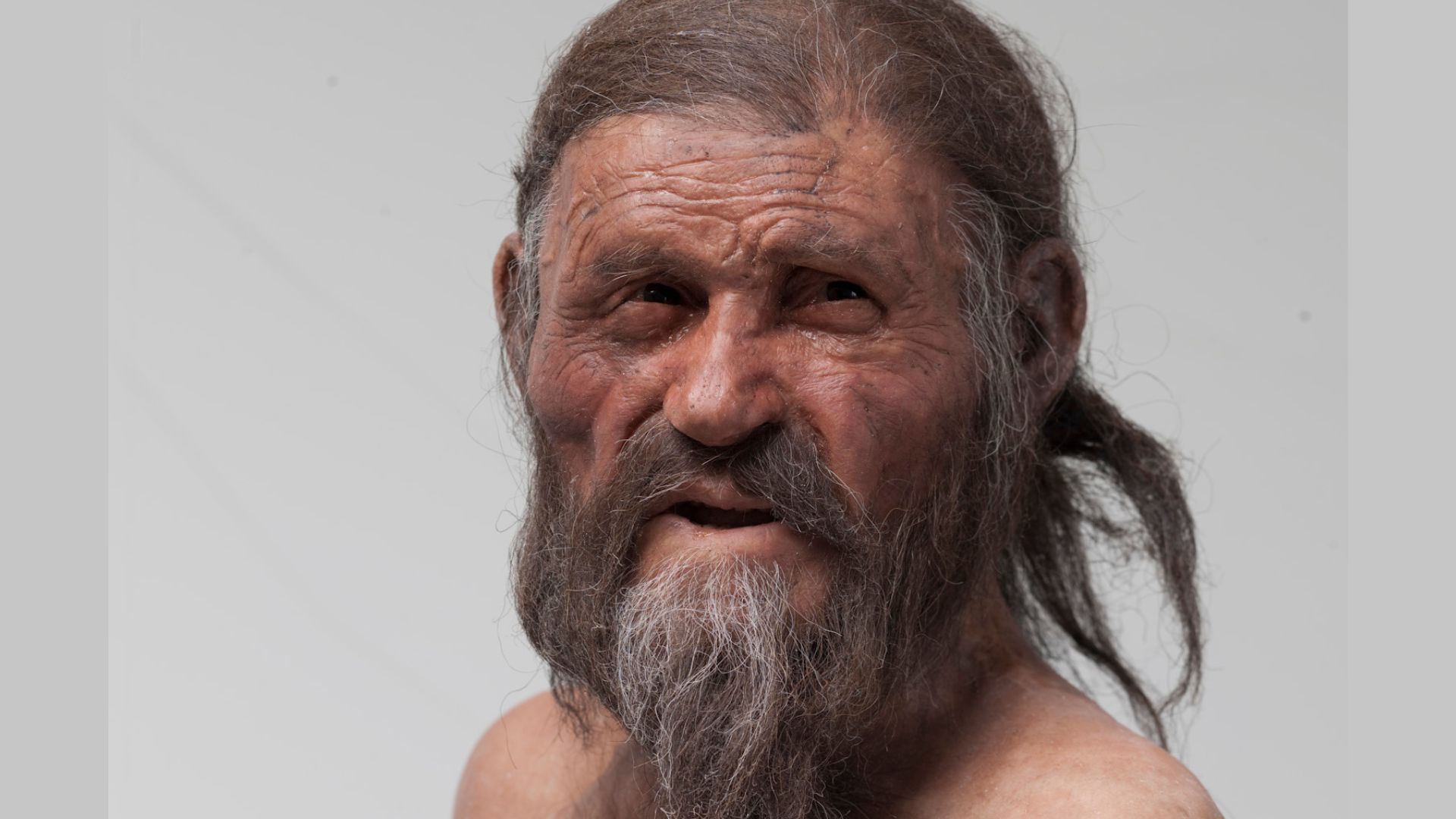
Ancient Yeasts Found on Ötzi the Iceman Could Make Sourdough
Recent scientific analysis has revealed that Ötzi the Iceman is far from a static relic. Researchers have discovered that his mummified remains are teeming with cold-adapted yeasts that may still be active thousands of years after his death.
The Discovery of Active Ancient Yeasts
A study published June 3 in the journal Microbiome indicates that yeast strains infiltrated Ötzi’s skin and stomach shortly after his murder 5,300 years ago. These specific strains are adapted to cold environments, originating from the Alpine glaciers where the Iceman once lived.
Despite being stored in a refrigeration chamber at 21 degrees Fahrenheit (minus 6 degrees Celsius) since his discovery in 1991, these spores have continued to colonize his remains. Specifically, the cold-loving yeast strain Glaciozyma has transitioned to become the dominant strain between 2010 and 2019, suggesting it has been slowly and actively proliferating.
A Dynamic Biological System
The research, led by microbiologist Mohamed Sarhan of the Eurac Research Institute for Mummy Studies, involved analysing swab and water samples from Ötzi’s internal and external microbiome. The team also examined soil from the discovery site and the mummy’s immediate storage environment.
The study found a distinct difference between the Iceman’s gut microbiome and the microbial makeup of his skin. While his gut microbes share similarities with those found in modern non-Westernized communities—such as people in north-eastern Madagascar rainforests and Hadza hunter-gatherers in Tanzania—his skin microbiome has been heavily shaped by modern conservation techniques.
Implications for Science and Industry
Beyond biological history, these ancient yeasts may have practical modern applications. Preliminary testing by Sarhan’s team demonstrated that some of the cultivated yeasts are capable of making sourdough.
Because these yeasts performed “very very good” as a dough, they could potentially be cultivated by fermentation industries in the future to produce beer or bread.
Potential Future Developments
The presence of modern microbes, introduced inadvertently during conservation efforts, creates a new area of concern. It is currently unclear whether these modern microbes or the ancient yeasts may be harming the preservation of the remains.
Further research is likely to be needed to investigate these interactions. Scientists may continue to monitor how the Glaciozyma strain and other microbes behave within the controlled storage environment to ensure the mummy’s stability.
Frequently Asked Questions
What was the result of the sourdough testing with Ötzi’s yeasts?
Preliminary testing showed the yeasts had potential for making sourdough, with study author Mohamed Sarhan stating that as a dough, it was “very very good.”
How was Ötzi’s microbiome studied?
Researchers analysed genetic material from swab and water samples of his internal and external microbiome, as well as soil from the site where he was found and his storage environment.
What are the current storage conditions for the Iceman?
He is kept in a refrigeration chamber at 21 degrees Fahrenheit (minus 6 degrees Celsius) and is constantly sprayed with water to prevent the loss of moisture.
How do you think the discovery of active, ancient microbes changes our perception of prehistoric human remains?