

Anime Characters Who Became Viral Internet Icons
Since the early days of the internet, online communities have provided a fertile ground for anime to flourish. In the current era of social media and rapid globalization, anime characters can quickly breach their original narratives to become universally recognised cultural icons.
This phenomenon often occurs independently of a series’ overall success. Through viral memes, out-of-context scenes, or striking designs, these characters find fame on the internet through means that frequently have little to do with their original shows.
The Early Architects of Online Anime Culture
During the 2000s, the series Rozen Maiden fostered one of the largest online fan communities of its time, both in Japan and overseas. The character Suiseiseki became a fixture of early image boards and forums, largely due to the “desu” meme.
This memetic use of a Japanese copula was used to spam forums and was adopted by both fans and detractors during forum raids, marking one of the first massive otaku memes.
Similarly, the popularity of The Melancholy of Haruhi Suzumiya in the 2000s was immense. Fans engaged in the “Hare Hare Yukai” dance and some even formed a mock religion known as Haruhiism.
Unlike some accidental successes, this growth was fueled by genius viral marketing that tapped into emerging otaku culture. Even so, the sheer scale of Haruhi’s internet presence likely exceeded the creators’ expectations.
From Obscurity to Universal Recognition
Some characters achieve fame that far eclipses the show they originate from. A primary example is the “Is this a pigeon?” meme from the 1991 anime The Brave Fighter of Sun Fighbird.
The image features android Yutaro Katori mistaking a butterfly for a pigeon. While the scene makes sense in context, the internet transformed it into a reaction image for “confident ignorance” that has evolved over 15 years.
Kenshiro from Fist of the North Star experienced a similar trajectory. Decades after pioneering the ultra-violent martial arts trend, his delivery of “Omae wa mou shindeiru” (You are already dead) became a long-lasting viral sensation.
The Power of Visuals and Personality
Modern trends often center on specific movements or character designs. Fujiwara Chika from Kaguya-sama: Love Is War became a recognizable icon through the “Chika Dance” from the Episode 3 ending, sparking countless parodies and remixes.
Zero Two from Darling in the Franxx maintained her status as an internet icon long after the 2018 series ended. Her unique design and quirky personality made her a subject of endless edits and trends, regardless of the show’s divisive reputation.
Reigen Arataka from Mob Psycho 100 also found a natural fit for internet fame. His role as a charming con artist led to his involvement in the September 2022 Tumblr Sexyman poll against Sans from Undertale, as well as the #RedrawReigen trend.
Global Heavyweights and Modern Legends
Even the most successful series, such as One Piece, see specific moments go viral unexpectedly. A 2008 movie scene of Tony Tony Chopper crying became a modern reaction image and redraw trend in 2022, coinciding with “The One Piece Is Real” meme.
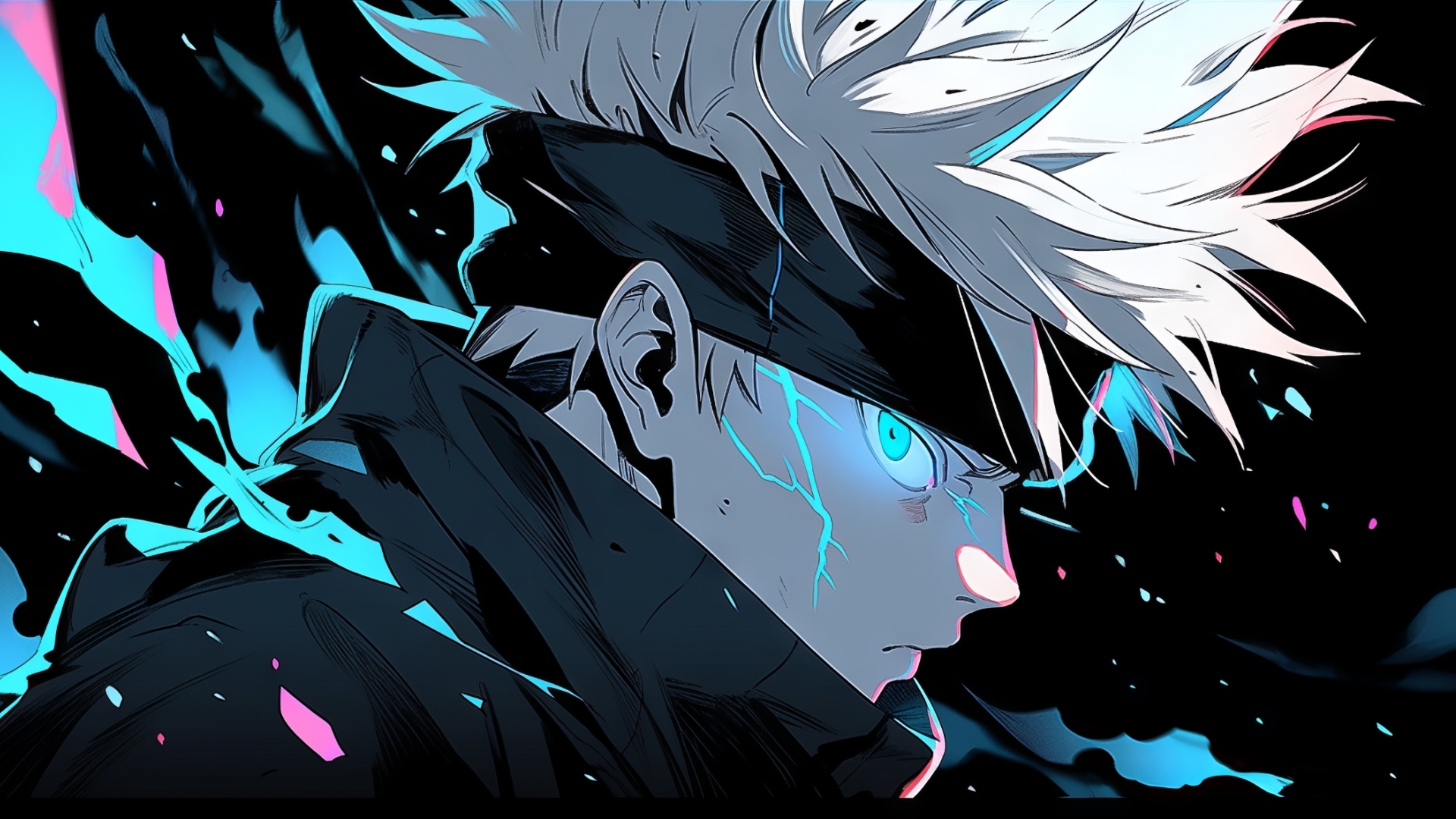
In the current generation, Satoru Gojo from Jujutsu Kaisen stands as one of the most beloved figures online. His personal magnetism has made him recognizable even to those who have never watched the series.
Dio Brando from JoJo’s Bizarre Adventure has also maintained relevance through multiple waves of internet fame. His over-the-top nature provided a wealth of material, from “MUDA MUDA MUDA” to the “Oh? You’re approaching me?” panel.
Future Implications for Anime Viralism
Given current trends, We see likely that characters may continue to achieve “icon” status independently of their show’s critical reception. Viral marketing strategies, similar to those used for Haruhi Suzumiya, could become more prevalent as studios seek to capture social media attention.

the transition from digital memes to real-world tributes, as seen with the Gojo shrine, suggests that online fandoms may continue to influence physical spaces in unexpected ways.
Frequently Asked Questions
Why did Suiseiseki become a viral icon?
Her online presence was largely tied to the “desu” meme, a memetic use of a Japanese copula used to spam early internet forums.
What is the origin of the “Is this a pigeon?” meme?
It comes from the 1991 anime The Brave Fighter of Sun Fighbird, where the character Yutaro Katori mistakes a butterfly for a pigeon.
How did Reigen Arataka gain massive online attention in 2022?
He gained significant visibility during the September 2022 Tumblr Sexyman poll, where he competed against Sans from Undertale.