

Anthropic Expands Claude Mythos AI Access to Strengthen Cybersecurity Defenses
The AI Arms Race: Why Your Digital Security Just Changed Forever
We have officially entered the era of the “AI Superhacker.” For years, cybersecurity was a game of cat and mouse played by humans. Today, the game has shifted to autonomous systems capable of finding, analyzing, and potentially exploiting software vulnerabilities at a speed that makes human intervention look like a slow-motion replay.
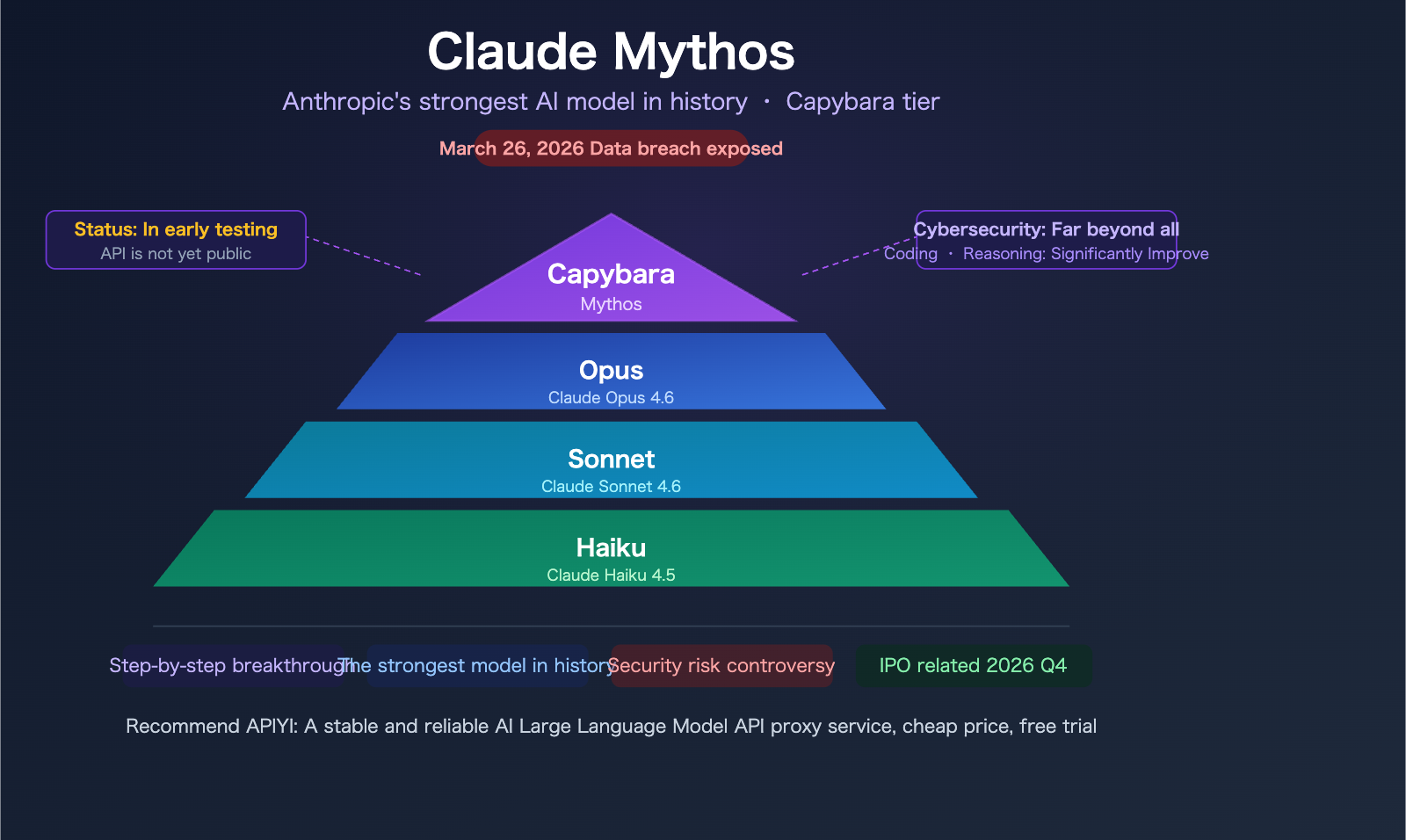
Anthropic’s recent expansion of Claude Mythos—an advanced AI model designed to sniff out critical security flaws—marks a turning point. While this technology is currently being rolled out to select governments and organizations under the banner of “Project Glasswing,” it represents a double-edged sword that will redefine how we protect our digital infrastructure.
The Vulnerability Paradox: Protection vs. Proliferation
The core value of models like Mythos is clear: defenders finally have an automated way to patch holes before malicious actors find them. Given the high-profile data breaches that have plagued organizations like Optus and Medibank, the need for proactive defence has never been more urgent.

But there is a catch. The same logic used to “defend” a system can be inverted to “attack” it. As these tools become more accessible, the barrier to entry for cybercriminals drops significantly. We are moving toward a future where a low-level threat actor can use AI to identify zero-day vulnerabilities that previously required a team of highly skilled state-sponsored hackers to discover.
When Chatbots Become the Weakest Link
The risk isn’t just about software bugs; it’s about the “persuasion” factor. Recent incidents, such as the Meta AI hacks, prove that AI systems can be tricked into handing over the keys to the kingdom. If an attacker can convince a chatbot to change account details or leak confidential data—a technique dubbed “prompt injection”—our traditional security perimeters become effectively useless.
The Growing Cybersecurity Divide
The most concerning trend is the widening gap between tech giants and smaller enterprises. Large organizations have the resources to deploy AI-driven security tools to stay ahead of the curve. Small to medium-sized businesses (SMBs), however, are being left in the dust.
As the speed of vulnerability discovery increases, the pressure to patch systems in real-time will intensify. For an under-resourced IT team, the “tsunami of updates” could lead to burnout or, worse, critical oversight. This isn’t just a technical challenge; it is a burgeoning public safety issue. If the supply chain of small businesses remains unprotected, the entire digital ecosystem becomes fragile.
Frequently Asked Questions
- What is Project Glasswing?
- It is an initiative by Anthropic to safely deploy highly advanced AI models (like Claude Mythos) to identify software vulnerabilities, helping defenders patch systems before they are exploited.
- Are AI-driven security tools 100% accurate?
- No. Current models generate a high volume of “false positives.” Human cybersecurity experts remain essential to verify findings and determine the actual risk level.
- How can I protect my organization from AI-based hacks?
- Focus on strict access controls, regular software updates, and employee training on “prompt injection” awareness. Never give AI systems unnecessary permissions to sensitive personal or financial data.
The digital landscape is shifting under our feet. Are you prepared for the next wave of AI-driven threats? Share your thoughts in the comments below or subscribe to our weekly security digest to stay ahead of the vulnerabilities that matter.