

Anthropic Google DeepMind CEOs call for U.S.-led AI coalition at G7
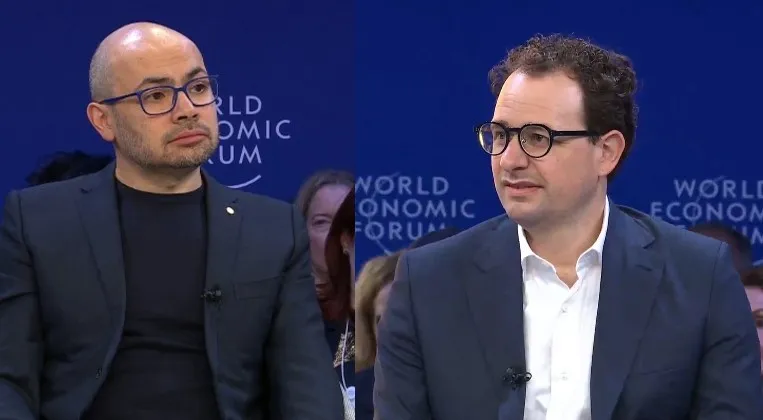
Anthropic CEO Dario Amodei and Google DeepMind CEO Demis Hassabis proposed a U.S.-led international coalition to establish AI safety standards and rules during a G7 summit meeting on June 17, 2026, in Évian-les-Bains, France, according to reports from CNBC. The proposal aims to mitigate risks from frontier AI models through global cooperation and strict export controls.
Why are tech CEOs pushing for a U.S.-led AI coalition?
Industry leaders want a unified set of rules to prevent the misuse of highly capable AI systems. According to two people with knowledge of the matter cited by CNBC, Amodei and Hassabis argued that the U.S. is best positioned to lead a global effort to protect against emerging technological risks.
Canadian Prime Minister Mark Carney reportedly agreed with this approach during the closed-door lunch, CNBC reported. The push comes as AI models develop advanced cyber capabilities that industry experts warn could trigger major disasters if accessed by malicious actors.
What specific risks are driving these new AI standards?
The primary concerns center on cyber warfare, bioterrorism, and intelligence gathering. Amodei told G7 leaders that international cooperation must include structured access to frontier models and a chip trade strategy that specifically excludes China, according to a source familiar with the meeting.
The urgency is highlighted by the rollout of specialized models. OpenAI recently released GPT-5.5 Cyber in a limited preview for vetted cybersecurity teams, CNBC reported. This demonstrates a trend where developers are restricting the most powerful tools to a small group of trusted professionals to avoid public risk.
How would a global AI forum actually function?
OpenAI CEO Sam Altman proposed a specific framework for this cooperation. In a briefing from OpenAI, Altman called for an international forum that provides impartial analysis of AI capabilities and establishes globally accepted testing standards.

This differs slightly from Amodei’s focus on trade restrictions. While Altman emphasizes a venue for impartial analysis, Amodei’s proposal focuses more on the hardware level—controlling the flow of chips and critical components to ensure they don’t reach adversarial nations.
Key Participants in the G7 AI Discussions
- United States: President Donald Trump, Secretary of Treasury Scott Bessent, Secretary of Commerce Howard Lutnik, and Secretary of State Marco Rubio.
- Tech Leadership: Dario Amodei (Anthropic), Demis Hassabis (Google DeepMind), and Sam Altman (OpenAI).
- International Partners: Prime Minister Mark Carney of Canada and other G7 heads of state.
What happens next for AI export controls?
The U.S. government is already using aggressive tactics to limit the spread of powerful AI. Anthropic is currently in negotiations with the Trump administration following the Friday implementation of export controls on its latest models, CNBC reported.

Chris Lehane, OpenAI’s global affairs chief, stated that non-U.S. leaders at the G7 meeting acknowledged the U.S. could play the lead role in establishing these standards. This suggests a shift toward a “hub-and-spoke” model of AI governance, where the U.S. sets the baseline and other nations align their policies accordingly.
Frequently Asked Questions
Who is leading the push for AI rules at the G7?
Anthropic CEO Dario Amodei and Google DeepMind CEO Demis Hassabis proposed the U.S.-led coalition, with support from OpenAI CEO Sam Altman.
Which AI models are currently under export controls?
Anthropic’s Fable 5 and Mythos 5 models were disabled following U.S. government national security mandates.
What is GPT-5.5 Cyber?
It is a variation of OpenAI’s latest model designed for cybersecurity, currently available only to vetted teams.
Stay Ahead of the AI Curve
Do you think a U.S.-led coalition is the right way to manage AI risk, or should governance be truly multilateral? Let us know in the comments below or subscribe to our newsletter for real-time updates on AI policy.