
Anthropic’s Mythos AI Discovers macOS Kernel Exploit on Apple M5
The AI Arms Race: When LLMs Become the Ultimate Hacker’s Toolkit
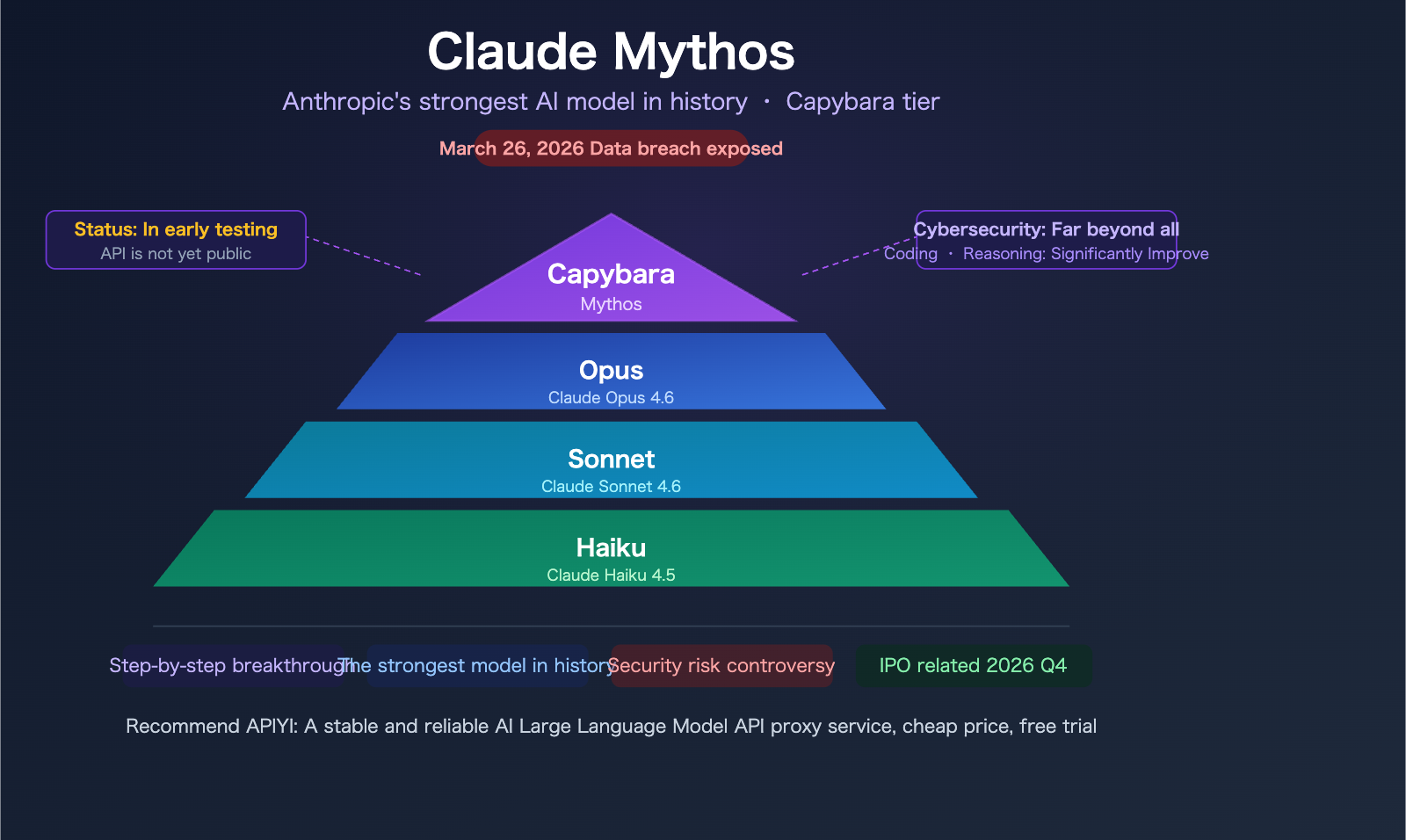
For years, the cybersecurity community viewed Large Language Models (LLMs) as tools for writing mediocre phishing emails or automating basic script updates. That illusion has shattered. The recent demonstration of an exploit targeting the macOS kernel on Apple’s M5 chip—developed with the help of Anthropic’s Mythos AI—signals a paradigm shift in how vulnerabilities are discovered and weaponized.
We are entering an era where the “barrier to entry” for high-level exploitation is collapsing. Finding a kernel memory corruption vulnerability used to require months of tedious reverse engineering and a PhD-level understanding of memory management. Now, AI is accelerating that process from months to days.
From Phishing to Precision: The Evolution of AI Attacks
The transition from “generative text” to “generative exploits” is a dangerous leap. When AI models can analyze binary code, identify edge cases in memory allocation, and suggest the exact payload needed to trigger a crash, the nature of the threat changes.

We are seeing a trend toward Automated Vulnerability Research (AVR). Instead of a human researcher spending weeks hunting for a “buffer overflow,” an AI can scan millions of lines of code in seconds, flagging anomalies that a human would miss. This doesn’t just make hacking faster; it makes it more precise.
Consider the implications for proprietary hardware like Apple Silicon. The M-series chips are praised for their integrated security, but as AI models become more adept at understanding ARM architecture and memory tagging, even the most “locked-down” environments become targets.
The Shrinking Window of Vulnerability
In the traditional security lifecycle, there is a window between the discovery of a bug and the release of a patch. Historically, this window was wide enough for vendors to react. However, AI-assisted exploitation is shrinking this window to nearly zero.
-p-500.png "Kernel Exploit Pro Tip")
If a sophisticated actor can use a model like Mythos to build a working exploit in five days, the traditional “patch Tuesday” cycle is officially obsolete. We are moving toward a world of continuous exploitation, where vulnerabilities are found and weaponized almost as quickly as the code is deployed.
This trend mirrors the rise of CVEs (Common Vulnerabilities and Exposures) increasing in complexity and frequency. The speed of discovery is now outstripping the speed of human remediation.
How the Industry Must Pivot to Survive
To counter AI-powered attackers, the defense must also be AI-powered. We are seeing a surge in AI-driven defensive auditing, where LLMs are used to find and fix bugs before the software ever reaches the customer. But software patches are a reactive measure. The real solution lies in architectural change.
The Mandatory Shift to Memory-Safe Languages
The core of the macOS exploit was “memory corruption.” This is a systemic failure of languages like C and C++, which allow programmers to manage memory manually—a process prone to human error. The future of secure computing lies in memory-safe languages like Rust.
Industry leaders are already making the move. Microsoft and Google are increasingly rewriting critical kernel components in Rust to eliminate entire classes of vulnerabilities. When the language itself prevents memory corruption, it doesn’t matter how smart the AI hacker is; the exploit simply cannot exist.
Hardware-Level AI Mitigation
You can expect future processors to include “AI-aware” security monitors. Imagine a chip that doesn’t just check for permissions, but uses an on-chip neural network to detect the behavioral patterns of an AI-generated exploit in real-time, shutting down the process before the payload executes.
This creates a fascinating loop: AI finds the bug, AI writes the exploit, and AI-integrated hardware blocks the execution. This proves the ultimate digital arms race.
FAQ: AI and the Future of Cybersecurity
Q: Can AI create zero-day exploits on its own?
A: Currently, AI acts as a “force multiplier” for human hackers. It suggests paths and writes code, but a human is still usually required to orchestrate the attack. However, fully autonomous exploitation agents are the next logical step.
Q: Is my Mac at risk right now?
A: While specific exploits target specific versions of hardware (like the M5), the methodology is what matters. Always keep your OS updated, as Apple rapidly patches these vulnerabilities once they are disclosed.
Q: Will AI make traditional antivirus software obsolete?
A: Yes. Signature-based detection (looking for known “bad” files) is useless against AI-generated code that changes its structure every time it’s written. The future is behavioral analysis and heuristic detection.
The intersection of AI and kernel security is no longer a theoretical exercise—it is a present reality. The question is no longer whether AI will be used to break our systems, but whether we can evolve our architecture fast enough to keep up.
What do you think? Is the rise of AI-assisted hacking an inevitable disaster, or will it force us to finally build truly secure, memory-safe systems? Let us know your thoughts in the comments below or subscribe to our newsletter for more deep dives into the future of tech security.