
Anti-inflammatory diets: A dietitian’s verdict on the diet claims taking over TikTok
TikTok’s “anti-inflammatory diet” is largely a glamourised version of the Mediterranean diet, according to accredited dietitian Zoe Brain. While the trend encourages eating whole foods and avoiding ultra-processed items, Brain warns that unregulated social media advice often promotes restrictive rules and “quick fixes” that lack scientific evidence.
What is the TikTok anti-inflammatory diet?
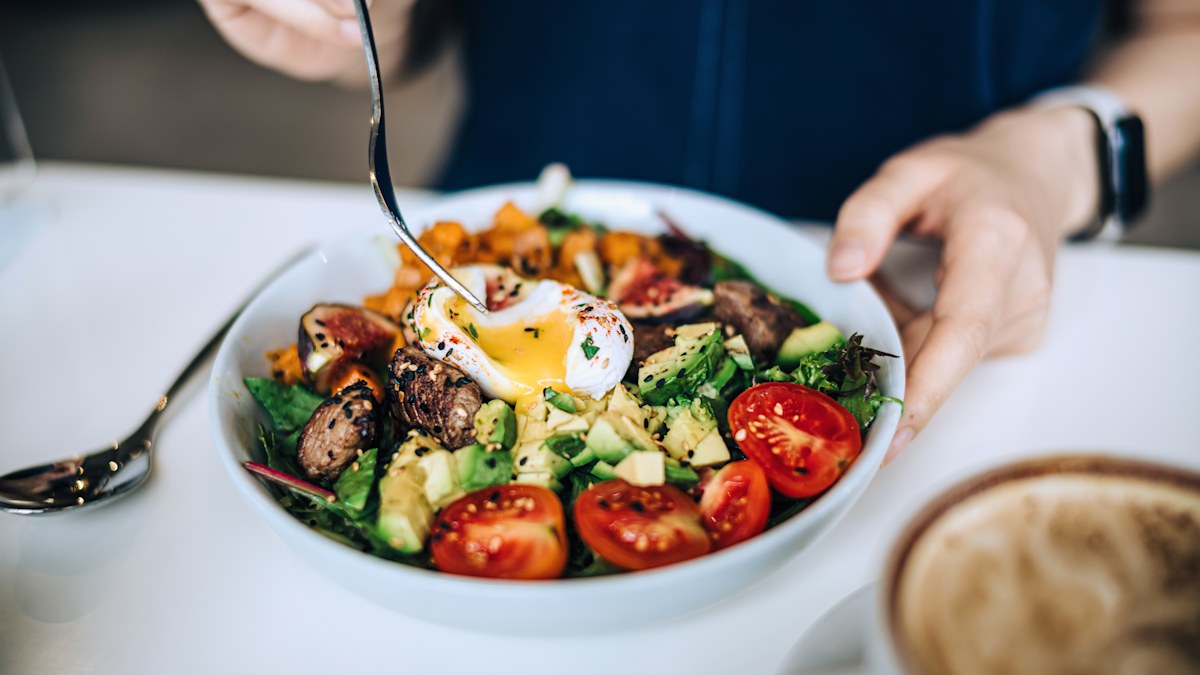
At its core, the anti-inflammatory diet mirrors the Mediterranean diet by emphasizing vegetables, fruits, whole grains, nuts, extra virgin olive oil, and oily fish. It avoids saturated fats, refined carbohydrates, alcohol, and ultra-processed foods, which are associated with higher inflammation, according to Brain.

Brain describes the social media version as “prettier bowls” and “wellness language” applied to dietary principles dietitians have recommended for years. She warns against “quick fixes” such as specific juices, shots, or the total elimination of food groups.
Does an anti-inflammatory diet stop bloating?
Bloating is often a digestive issue rather than a result of inflammation, Brain states. Common triggers include gut sensitivity, hormonal changes, high salt intake, and stress.

Some TikTok trends suggest removing carbohydrates to feel “de-bloated” quickly. Brain explains that this creates a feeling of less puffiness through water weight loss, but it is not the same as losing body fat or reducing inflammation.
Brain encourages identifying individual food triggers instead of cutting out whole food groups, noting that fruits, vegetables, and whole grains provide the fibre and prebiotics necessary for gut health.
Can these diets guarantee glowing skin?
Any claim that a specific diet “guarantees” glowing skin is a “major red flag,” according to Brain. She states that skin health is influenced by a complex mix of genetics, hormones, underlying medical conditions, stress, and skincare routines.
While a balanced diet rich in polyphenols, fibre, vitamin C, vitamin E, zinc, and omega-3 fats may support skin health, Brain says it is not as simple as eating berries and salmon to achieve a glow. However, Mediterranean-style patterns may play a supportive role in managing inflammatory skin conditions like psoriasis and acne.
How to identify “red flag” nutrition advice
Brain warns against fear-based food rules. She identifies several common red flags found in online dietary advice, including claims that fruit has too much sugar, seed oils are the root cause of inflammation, or that dairy is inflammatory for everyone.
Because the term “nutritionist” is not always a protected or regulated title, Brain suggests seeking advice from a qualified dietitian for issues like fatigue, discomfort, or bloating.
Following unregulated advice to eliminate gluten, dairy, or carbohydrates could potentially lead to confusion or disordered eating.
Frequently Asked Questions
Is the anti-inflammatory diet different from the Mediterranean diet?
According to Zoe Brain, the anti-inflammatory diet follows many of the same patterns as the Mediterranean diet, focusing on plant foods, whole grains, and healthy fats while avoiding ultra-processed foods.
Why do I feel less bloated when I stop eating carbs?
Brain explains that carbohydrates are stored as glycogen, which holds water. Reducing carb intake causes the body to lose water weight, which may make a person feel less puffy, though this is not fat loss.
Can a “retinol carrot salad” or similar diet fix my skin?
Brain describes claims that diets guarantee glowing skin as dubious. While certain nutrients support skin health, genetics and hormones also play significant roles.
Do you prioritize accredited medical advice or social media trends when making changes to your diet?