
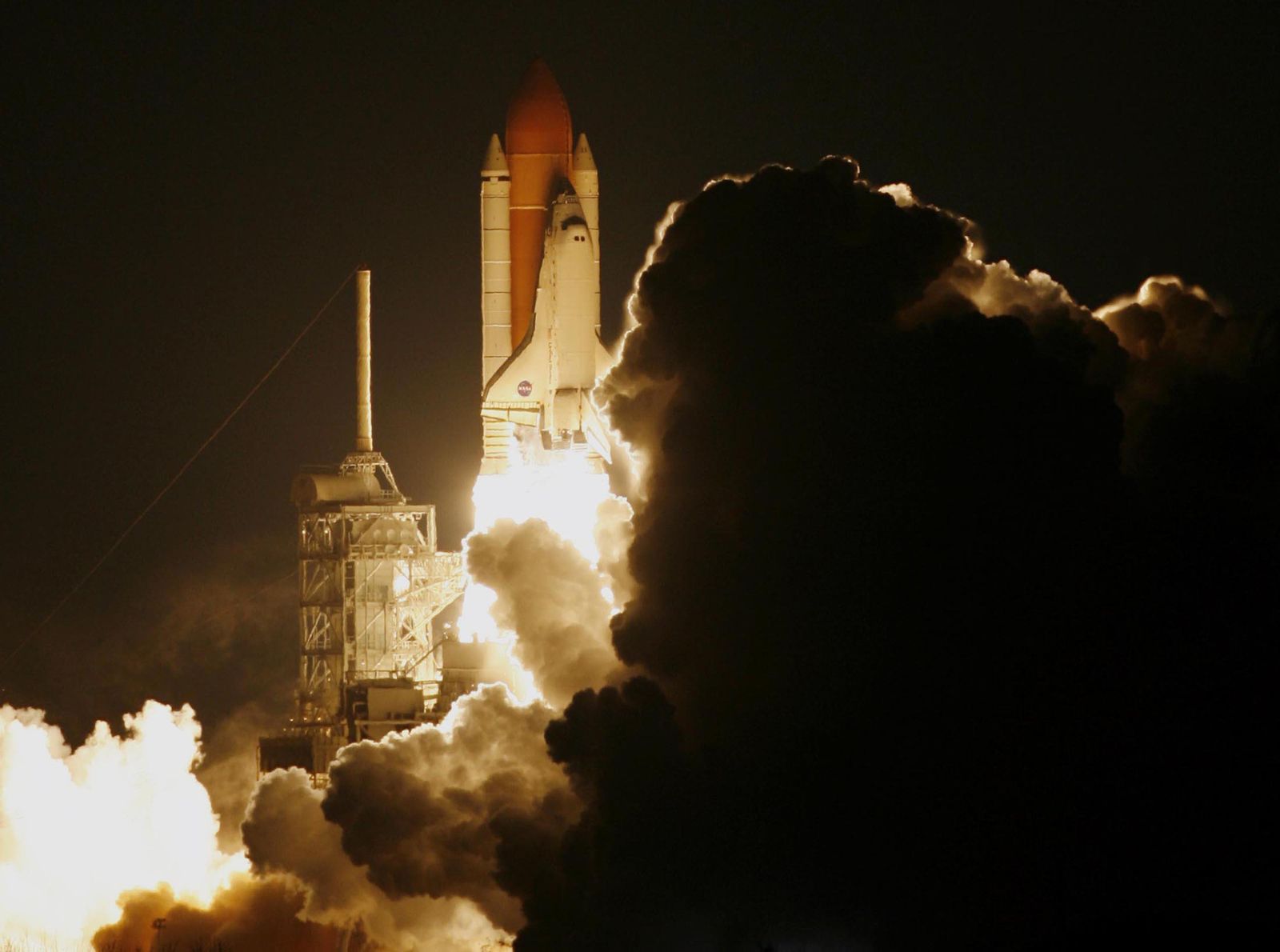
Apollo 12 was struck by lightning twice in the first 52 seconds of flight, filling the spacecraft with warning lights and turning Mission Control’s data into nonsense – until a young controller named John Aaron recognised an obscure failure pattern and calmly said: “Try SCE to Aux.
On November 14, 1969, the Apollo 12 mission avoided an immediate abort after two lightning strikes disrupted telemetry data. EECOM controller John Aaron recognized the electrical pattern and directed the crew to switch the Signal Conditioning Equipment to auxiliary, restoring system readability and enabling the mission to reach the Moon.
The spacecraft launched into wet, overcast Florida weather. Lightning struck the vehicle approximately 36 seconds after lift-off, traveling down the ionized exhaust trail to the ground. A second strike occurred at 52 seconds.
These electrical surges caused three fuel cells to drop offline and triggered caution and warning lights across the command module instrument panel. The guidance platform lost its bearings, and telemetry data reaching Houston became gibberish during the powered ascent.
How did lightning strikes affect the Apollo 12 ascent?
The strikes effectively caused the spacecraft to go dark from the perspective of Mission Control. Telemetry became unreadable, leaving controllers unable to verify the vehicle’s status during a critical phase of flight.

According to mission records, the data stream turned into nonsense, which typically would have signaled a catastrophic failure. The mission appeared lost within the first minute of flight.
How did the “SCE to Aux” command restore the mission?
John Aaron, an EECOM controller in his twenties, recognized the telemetry pattern from an unrelated test he had observed a year earlier at Kennedy Space Center. He had previously investigated how the Signal Conditioning Equipment—the system converting raw electrical signals into readable numbers—reacted to specific anomalies.
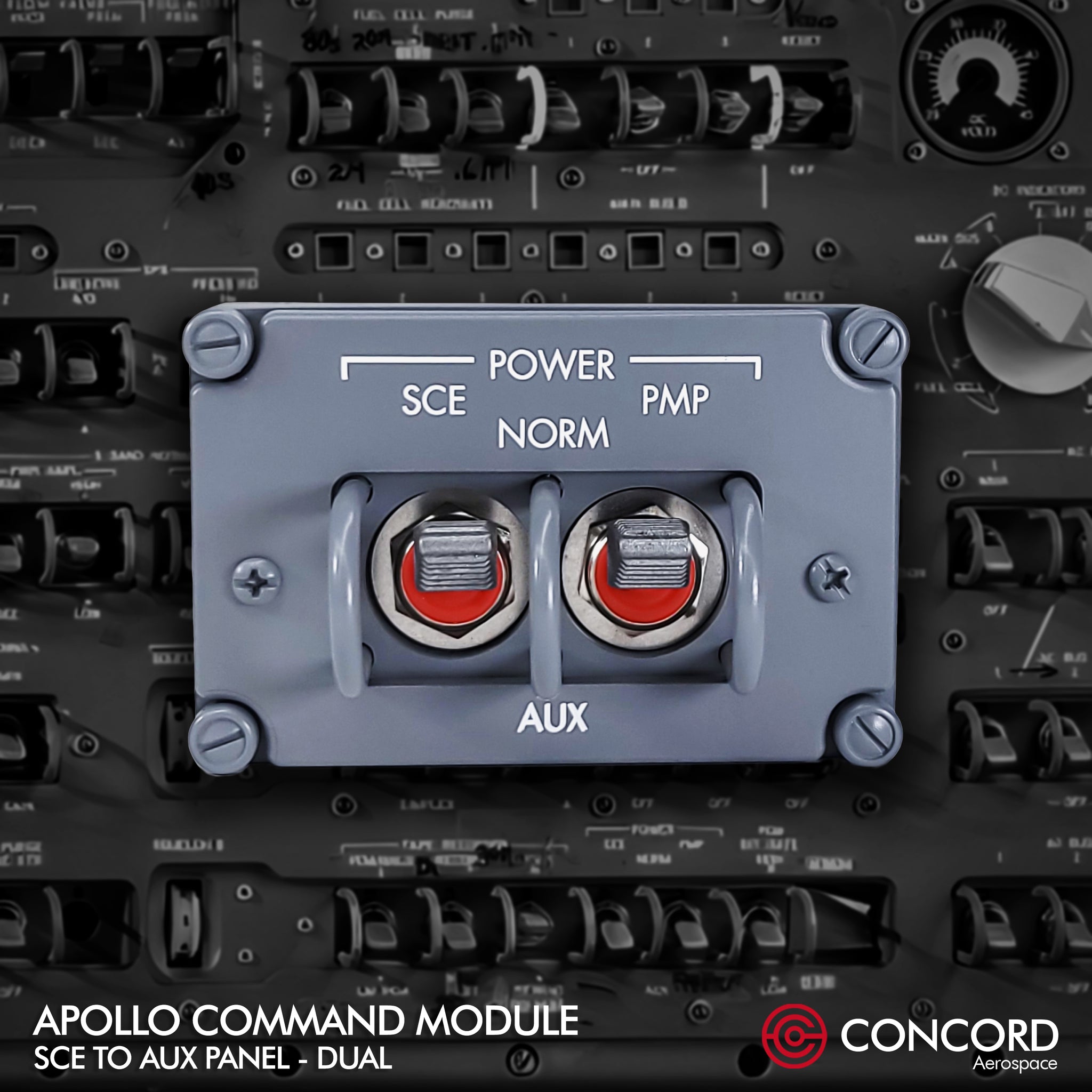
Aaron instructed the crew to switch the Signal Conditioning Equipment to its auxiliary setting. This allowed the system to operate on the reduced power remaining after the lightning strikes.
Lunar module pilot Alan Bean, who was the crew member most familiar with the command module switches, located and flipped the toggle. This action restored the telemetry, revealing that the spacecraft was basically fine despite the warning lights.
What could this mean for future anomaly responses?
The recovery of Apollo 12 suggests that detailed study of minor anomalies may prevent future mission failures. Because Aaron bothered to understand a previous telemetry garble, a potential abort was avoided.
Future operational protocols may continue to prioritize the documentation of “minor” system behaviors. Such a focus could allow controllers to identify patterns that appear as total system failures but are actually manageable power or signal issues.
Following the fix, fuel cells were brought back online and the guidance platform was realigned in orbit. Commander Pete Conrad and Alan Bean landed on the Moon five days later.
Frequently Asked Questions
When did the lightning strikes occur during the Apollo 12 launch?
The first strike occurred approximately 36 seconds after lift-off, and a second strike followed at around 52 seconds.

Who identified the solution to the telemetry failure?
John Aaron, an EECOM controller, recognized the pattern and suggested the “SCE to Aux” fix based on a test he had seen a year prior at Kennedy Space Center.
Which crew member physically flipped the switch?
Alan Bean, the lunar module pilot, found and flipped the toggle switch for the Signal Conditioning Equipment.
How does the ability to recognize obscure patterns in data change the way we view technical expertise in high-stakes environments?