

Apple opens the door to third-party AI model vendors in latest update
Apple is integrating third-party AI models, including those from OpenAI, Anthropic, and Google (Gemini), into its Xcode developer tool suite. According to Jamf SVP of enterprise product and solutions engineering Matt Vlasach, this shift enables AI-assisted agentic development, allowing developers to automate testing and app building via their preferred LLM subscription.
How does Apple’s AI integration change Xcode for developers?
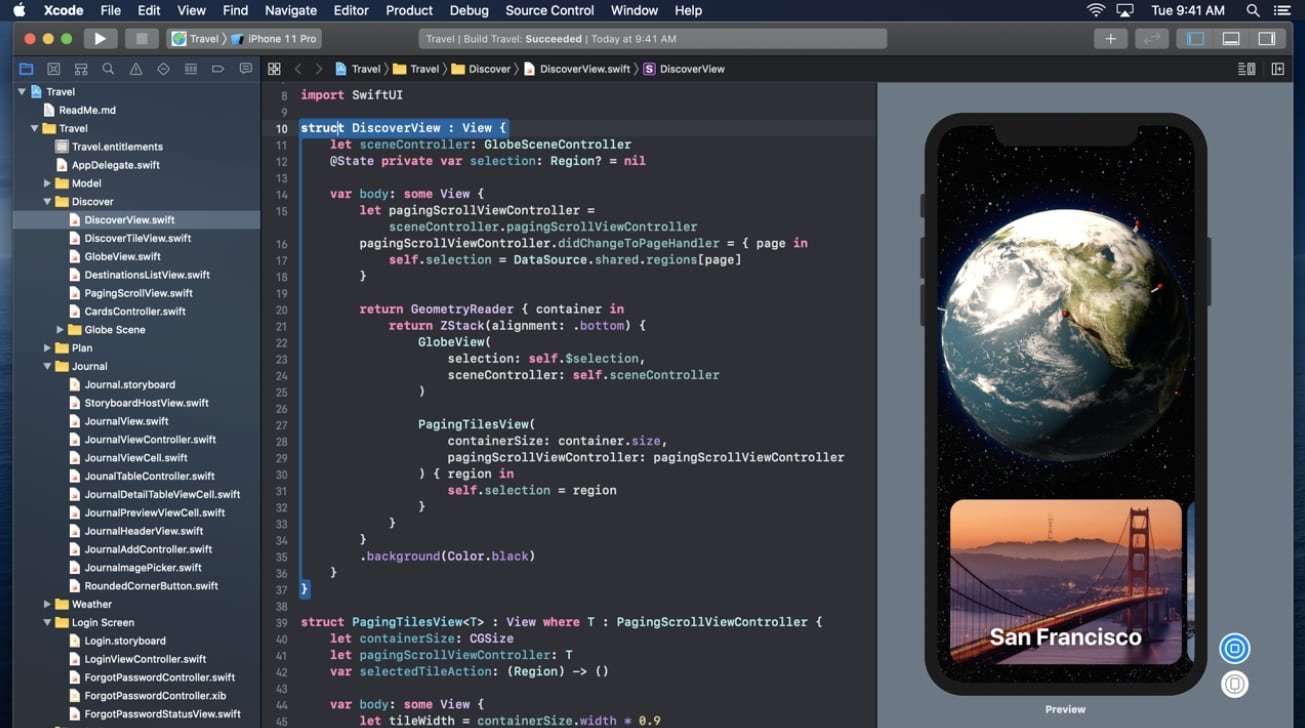
Developers can now integrate AI coding agents and plugins directly into their workflow using the Xcode platform. Apple claims these tools allow developers to validate work autonomously for longer periods. Specific capabilities include writing and running tests, testing ideas in isolation via Playgrounds, and checking visual changes using previews and the new Device Hub simulator.
This move represents a shift in Apple’s traditional strategy. While the company is known for being protective of its intellectual property, the rise of generative AI has pushed it toward a more open approach with third-party model providers. According to Vlasach, who spoke to IT Brew on June 9, Apple is actively encouraging developers to build using these new Xcode capabilities.
What are the implications for IT management and token costs?
For organizations using a Mac-driven tech stack, these updates change how teams manage AI resources. IT professionals will likely need to monitor and adjust “token spend”—the cost associated with the amount of data processed by LLMs—when building services for macOS and iOS.
Vlasach noted that while the ability to manage LLM routing and token expenditures is a significant future opportunity for IT teams, those specific management tools aren’t fully available today. This creates a gap between the ability to use the AI tools and the ability to govern their costs at an enterprise scale.
Why are developers cautious about adopting these AI tools?
Professional developers aren’t expected to adopt these AI capabilities immediately. Vlasach told IT Brew that disabling new tools until the underlying models are trusted is standard operating procedure for most pros.
Security remains the primary hurdle. Developers typically conduct their own security research before enabling AI plugins to ensure that proprietary code isn’t leaked or compromised. Only after this validation process do they begin to integrate the tools into their daily production cycles.
Comparison: Closed Ecosystem vs. Open AI Integration
| Feature | Traditional Apple Approach | New AI Integration |
|---|---|---|
| Model Access | Proprietary/Internal | Open to OpenAI, Gemini, Anthropic |
| Workflow | Manual validation | Autonomous agentic development |
| Control | High insularity | Third-party plugin integration |
Frequently Asked Questions
Which AI models can be used in Xcode?
Developers can use models from OpenAI, Anthropic, and Google (Gemini), depending on their specific subscription.
What is “agentic development” in the context of Xcode?
It refers to AI agents that can perform complex tasks autonomously, such as writing tests, running them, and interacting with the Device Hub simulator without constant human intervention.
Will this increase costs for companies?
Yes, it potentially will. IT teams will need to manage token spend for the LLMs used during the development of macOS and iOS apps.
How is your team handling the shift toward AI-assisted coding? Let us know in the comments or subscribe to our newsletter for more deep dives into enterprise tech trends.