

Apple Unveils Siri AI With Google Gemini and Enhanced Child Safety
Apple is transforming Siri into a conversational AI, dubbed “Siri AI,” through a partnership with Google’s Gemini AI, according to announcements at the Worldwide Developers Conference (WWDC). The update, launching this autumn, introduces advanced child safety tools and nutritional analysis via camera, though EU regulatory hurdles currently block its rollout in Europe.
Why is Apple partnering with Google for Siri AI?
Apple is integrating Google’s Gemini AI model to shift Siri from a basic voice assistant to a conversational intelligence tool. Mike Rockwell, Apple’s vice president of Siri engineering, told The Guardian that the service will now feature its own dedicated application, mirroring the structure of tools from OpenAI or Anthropic.
The new system uses previous interactions and the broader Apple ecosystem to sync conversation history across devices. It’ll handle daily planning, image comprehension, and online ticket purchases. In a move toward health integration, the camera will now provide nutritional information when pointed at food.
How does Siri AI improve child safety?
Apple is introducing stricter boundaries for minors following protests at the Apple Park Visitor Center. According to the BBC, the company is responding to critics who claim previous safety measures were insufficient.
The “Ask” functionality requires parental approval before a child can message a stranger. Additionally, a redesigned “Screen Time” interface provides deeper insights into app usage. Apple’s new system will automatically censor any sexual or violent images sent to devices identified as belonging to a minor.
Why is Siri AI not available in the European Union?
The rollout is restricted by geography and hardware. Siri AI won’t launch in the EU during the initial phase. Apple stated, via the BBC, that EU regulators haven’t accepted any of the company’s proposed solutions for introducing the AI.
Hardware limitations also apply. Certain functions require the advanced chips found only in the newest iPhones, iPads, and MacBooks. This creates a tiered experience where software capabilities are tied directly to the age of the device.
What happens next for the Apple ecosystem?
This shift represents a fundamental change in how Apple views its assistant. Francisco Jerónimo, vice president of data and analytics at IDC EMEA, noted that if Apple delivers on reliability and trust, this moment marks Siri’s transition from a secondary tool to the center of the company’s future.
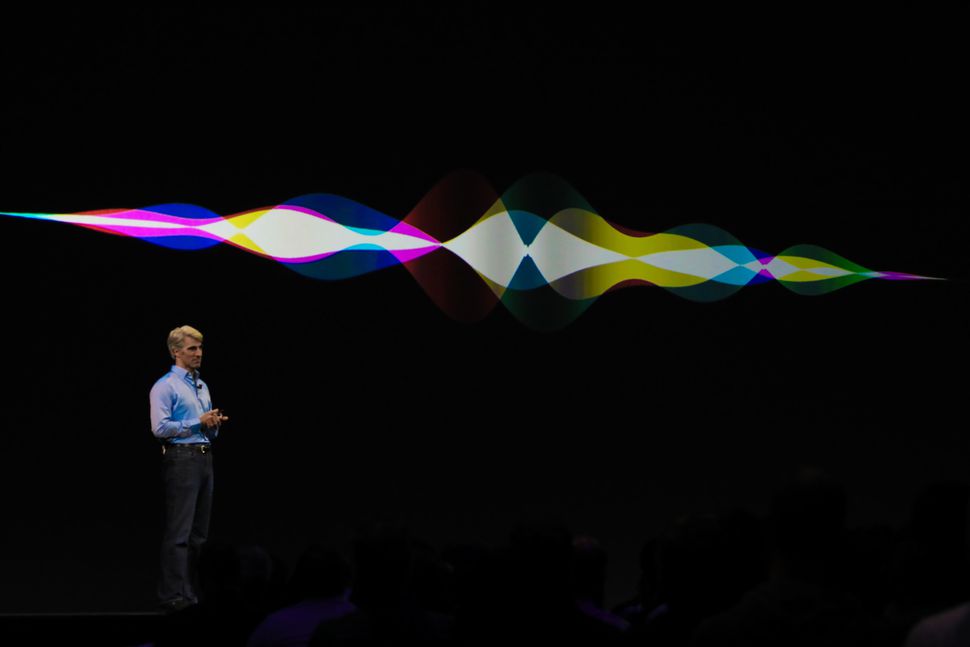
The contrast between Apple’s privacy-first marketing and its reliance on Google’s Gemini model highlights a growing trend in the industry. While Craig Federighi insists the new Siri ensures privacy “at every stage,” the partnership shows that even the largest tech firms are finding it faster to collaborate than to build foundational LLMs (Large Language Models) from scratch. For more on these shifts, see our guide on emerging AI partnerships.
Frequently Asked Questions
When will Siri AI be released?
Apple plans to launch the updated system this autumn, starting in English.
Will Siri AI work on all iPhones?
No. Some functionalities are limited to devices with more advanced chips.
How does the “Ask” feature work for parents?
It requires parents to approve requests before children can communicate with unknown contacts.
Is Siri AI available in Europe?
Not currently. EU regulators have not yet approved Apple’s proposed implementation.
Do you think the partnership with Google compromises Apple’s privacy promises? Let us know your thoughts in the comments below or subscribe to our newsletter for the latest in tech intelligence.