
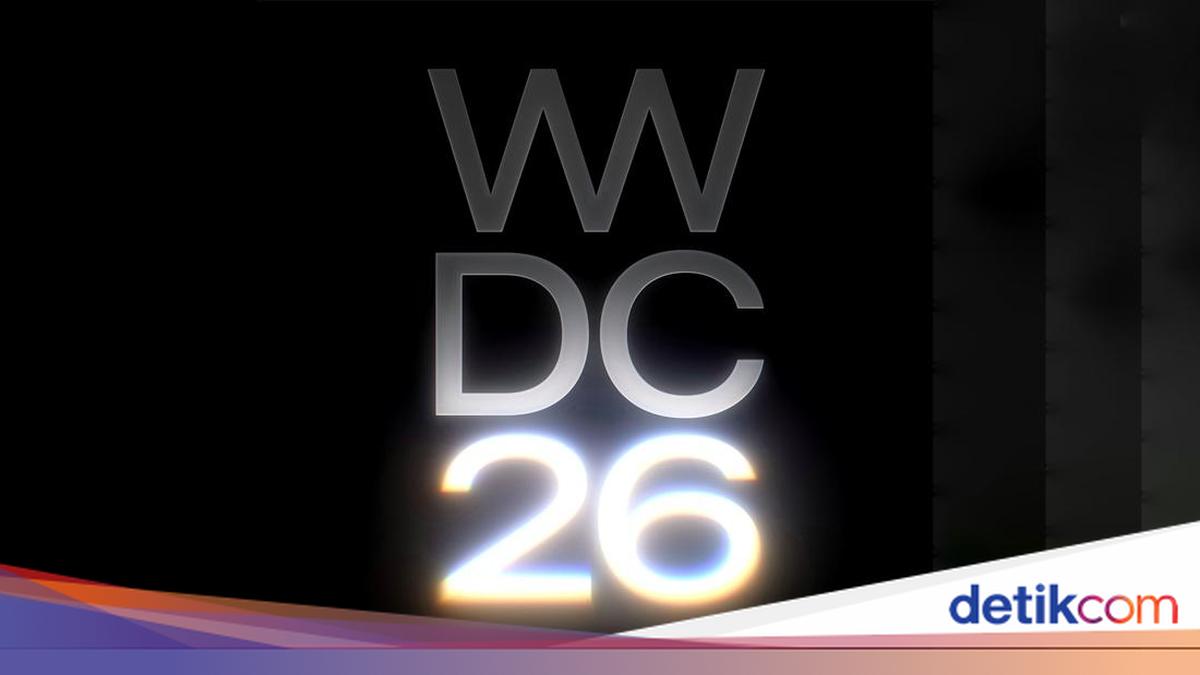
Apple WWDC 2026: Tim Cook’s Final Keynote and iOS 27 AI Features
Apple is transforming Siri from a basic voice assistant into a proactive AI agent integrated with Google’s Gemini models. This shift, expected with the rollout of iOS 27, enables Siri to read on-screen content, manage complex file tasks, and power a rumored foldable iPhone with advanced multitasking features like split-screen interfaces.
How will Siri change with Apple Intelligence?
Siri is moving away from simple command-and-response interactions. According to recent reports, the new Siri will function as a true personal agent with deep access to your emails, messages, files, and photos. It won’t just find a date in your calendar; it’ll analyze the context of a conversation to suggest a meeting time based on your habits.
One of the biggest shifts is “on-screen awareness.” If a friend texts you an address, Siri can see that specific data on your screen and offer to add it to your contacts immediately. This removes the friction of copying and pasting between apps.
Furthermore, Siri is evolving into a standalone application. Users can interact via voice or text through an “Ask Siri” bar, treating the assistant more like a sophisticated chatbot—similar to the experience found in ChatGPT or Gemini—allowing for the upload of PDFs and documents for instant analysis.
What does the Google Gemini partnership mean for users?
Apple is taking a hybrid approach to AI. While they are developing their own Apple Foundation Models, they’ve partnered with Google to integrate Gemini. This allows Apple to offer high-end LLM (Large Language Model) capabilities without forcing every single process to run on-device, which would drain battery life.
This partnership is a strategic necessity. By leveraging Gemini, Apple can quickly close the gap with competitors who have had generative AI integrated for years. For the user, this means more accurate summaries, better reasoning, and a more “human” conversational flow.
However, this raises questions about data privacy—a cornerstone of Apple’s brand. While Apple typically processes data on-device, the use of external models like Gemini suggests a tiered system where simple tasks stay local and complex queries go to the cloud.
Will a foldable iPhone redefine the iOS experience?
The rumor mill, supported by reports from Bloomberg, suggests a foldable iPhone may arrive soon. This isn’t just a hardware gimmick; it requires a total overhaul of the user interface. iOS 27 is expected to introduce a “split-screen” mode, a feature long requested by users and standard on Android foldables.
A foldable screen changes how we consume “Writing Tools.” Imagine having a document open on one half of the screen and a “Write with Siri” prompt on the other. This creates a productivity loop where the AI doesn’t just suggest words but helps structure entire projects in real-time.
This trend points toward the “convergence” of the iPad and iPhone. If the iPhone can unfold into a tablet-sized screen with multitasking capabilities, the distinction between the two devices blurs, potentially streamlining Apple’s hardware lineup.
How is AI changing photo editing and visual search?
Photo editing is shifting from manual adjustments to generative manipulation. Under the “Apple Intelligence Tools” umbrella, users will soon be able to expand the background of a photo (generative fill) or even change the perspective of a shot after it’s been taken.
Visual Intelligence is also becoming more utilitarian. Rather than just identifying a landmark, the new system can scan a food package to identify nutritional value or instantly digitize a business card into a contact file. It turns the camera into a real-time data scanner.
Comparing AI Integration: Apple vs. The Competition
| Feature | Apple Intelligence (iOS 27) | Competitor AI (Android/Google) |
|---|---|---|
| Ecosystem Integration | Deeply integrated across OS (iMessage, Mail, Photos) | Strong cloud integration, varying app depth |
| Privacy Approach | Heavy emphasis on on-device processing | Primarily cloud-based processing |
| Assistant Style | Agentic (performs actions across apps) | Informational (answers questions, manages tasks) |
Frequently Asked Questions
Will Siri work without an internet connection?
Basic tasks and Apple Foundation Model processes will run on-device. However, complex requests leveraging Google Gemini will require a cloud connection.
Does iOS 27 support all iPhones?
While basic updates usually roll back several years, the heavy AI requirements of Apple Intelligence typically require newer chips (A-series Bionic or M-series) to handle the neural processing.
Is the foldable iPhone confirmed?
It is currently reported and rumored. While not officially confirmed by Apple, the development of split-screen features in iOS 27 strongly suggests hardware is in the works.
What do you think about Siri becoming a standalone app? Would you trust a Gemini-powered Apple assistant with your data? Let us know in the comments below or subscribe to our newsletter for the latest tech breakdowns.
For more on the evolving tech landscape, check out our Complete Guide to the Apple Ecosystem.