

Apple’s MacBook Pro Strategy Comes With Risk
Apple is integrating iPadOS-style touch interfaces into macOS to create a unified ecosystem across laptops and tablets. According to analysis of updates from Apple’s Worldwide Developer Conference, this shift risks reducing the information density and pointer precision required by professional developers and creative users on the MacBook Pro.
Why is Apple merging macOS and iPadOS interfaces?
Apple is pursuing a long-term roadmap to unify its tablet and laptop form factors. By adopting a touch-first design language—including visual updates like “liquid glass”—the company aims to create a seamless transition between the iPad Pro and the MacBook Pro.
This convergence isn’t just about aesthetics. It’s a strategic move toward hybrid hardware. If the software behaves the same on both devices, Apple can eventually merge the two into a single, multi-modal device that serves as both a tablet and a workstation.
How does touch-optimization affect MacBook Pro professional workflows?
The transition to a touch-optimized interface reduces the “effective real estate” of the screen. Professional applications—specifically those used for software development and high-end video editing—rely on high information density to function efficiently.
According to the report, this shift creates friction for “power users.” When controls are enlarged to accommodate a finger rather than a precise cursor, the pointer-precision necessary for complex tasks drops. This forces professionals to scroll more and see less, slowing down the overall workflow.
The conflict of “Mobile-First” vs. “Desktop-Pure”
Apple faces a design paradox. To make macOS accessible for mobile-first users, it must strip away some of the complexity that makes the Mac a powerhouse. The risk is a “homogenous software experience” that dilutes the MacBook Pro’s identity as a professional tool.
For a developer, a few pixels of precision can be the difference between a fast edit and a frustrating struggle. Grafting a locked-down, mobile-style design onto a desktop OS may compromise the “purity” of the Mac experience.
Could this shift benefit Windows 11 laptops?
Yes. If Apple creates a product that satisfies neither the iPad user nor the MacBook owner, it opens a market gap. The iPad owner may find the interface too complex, while the MacBook owner may lose the accuracy they need for a workstation.
Reports suggest this creates a specific opportunity for Windows 11 laptops. If the MacBook Pro loses its edge in information density and professional utility, high-end PC workstations could challenge Apple’s supremacy in the creative and development sectors.
Comparing Design Philosophies
The tension lies in two competing goals:
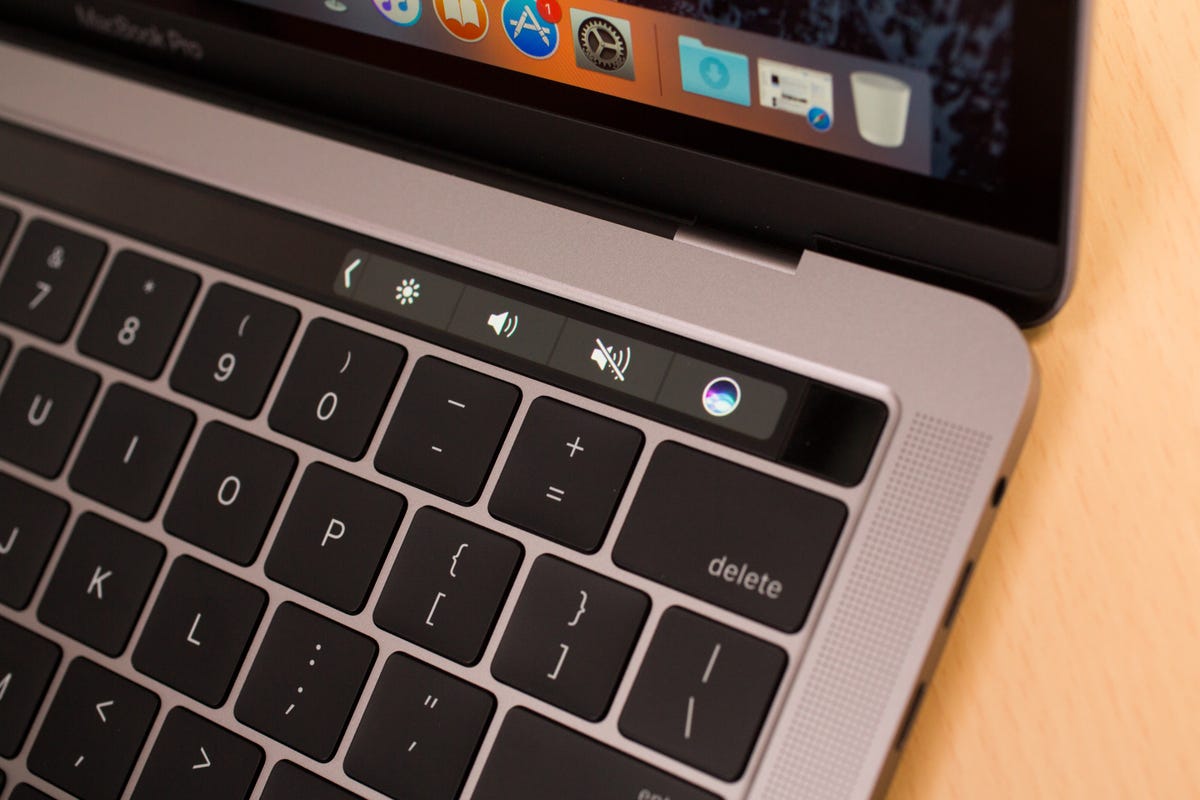
- iPadOS Goal: Accessibility, simplicity, and touch-based interaction.
- macOS Goal: Precision, high data density, and complex multitasking.
When these two merge, the result is often a compromise. As noted in the analysis, the danger is that Apple creates a “middle ground” that fails to serve either camp effectively.
Frequently Asked Questions
What is “liquid glass” in macOS?
Liquid glass refers to the updated visual style of the user interface, designed to look more fluid and modern, mirroring the aesthetic of iPadOS to create cross-platform consistency.
Will the MacBook Pro get a touchscreen?
While Apple hasn’t officially announced a touchscreen MacBook, the shift toward touch-optimized UI in macOS suggests the software is being prepared for hybrid hardware.
Why does “information density” matter for pros?
Information density refers to how much data (menus, timelines, code, toolbars) can be displayed on the screen simultaneously. High density allows professionals to work faster without switching tabs or scrolling constantly.
Want to stay updated on the latest hardware shifts? Subscribe to our tech newsletter or share your thoughts in the comments below: Do you prefer a precise desktop UI or a simplified touch experience?