
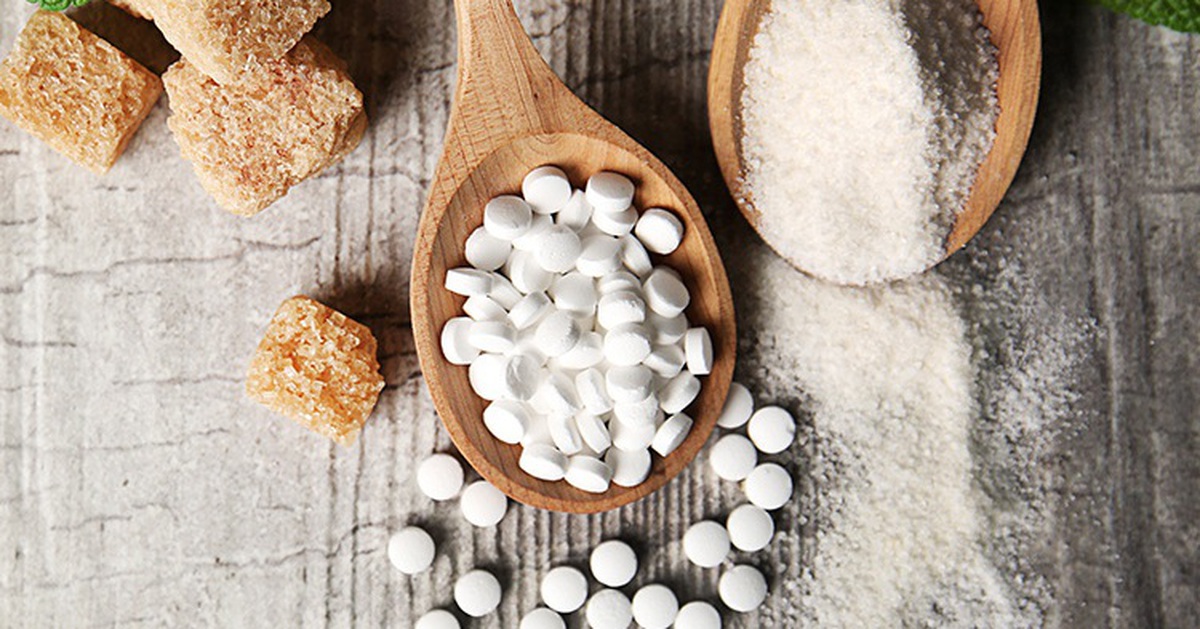
Are Artificial Sweeteners Safe for Weight Loss and Diabetes?
The global shift toward sugar alternatives—ranging from diet sodas and “zero-sugar” milk teas to stevia, erythritol, and xylitol—has been fueled by the promise of sweetness without the caloric cost. While these substitutes are frequently marketed as a solution to obesity, fatty liver disease, and type 2 diabetes, medical experts are urging a more cautious approach to their consumption.
Dr. Nguyen Quang Bay, head of the Endocrinology and Diabetes Department at Bach Mai Hospital, warns that the reality of artificial sweeteners is far more complex than a simple “low-calorie” label suggests. While replacing sugar with these substances can assist in short-term weight and blood sugar management for some, they are not the harmless, neutral tools many consumers believe them to be.
Did You Know? The human sense of taste is remarkably adaptable; after just a few weeks of reducing sugar intake, individuals often find that natural fruits taste significantly sweeter, reducing the psychological and physical reliance on sweetened beverages like bubble tea or soda.
The Hidden Risks of “Zero-Sugar”
The primary concern lies in how sweeteners interact with the body’s metabolic and neurological systems. Even without significant calories, sweeteners can disrupt the brain’s appetite and satiety mechanisms. When the body detects a sweet taste but fails to receive the corresponding energy, the brain may trigger cravings or compensatory overeating, ultimately undermining efforts to reduce daily caloric intake.
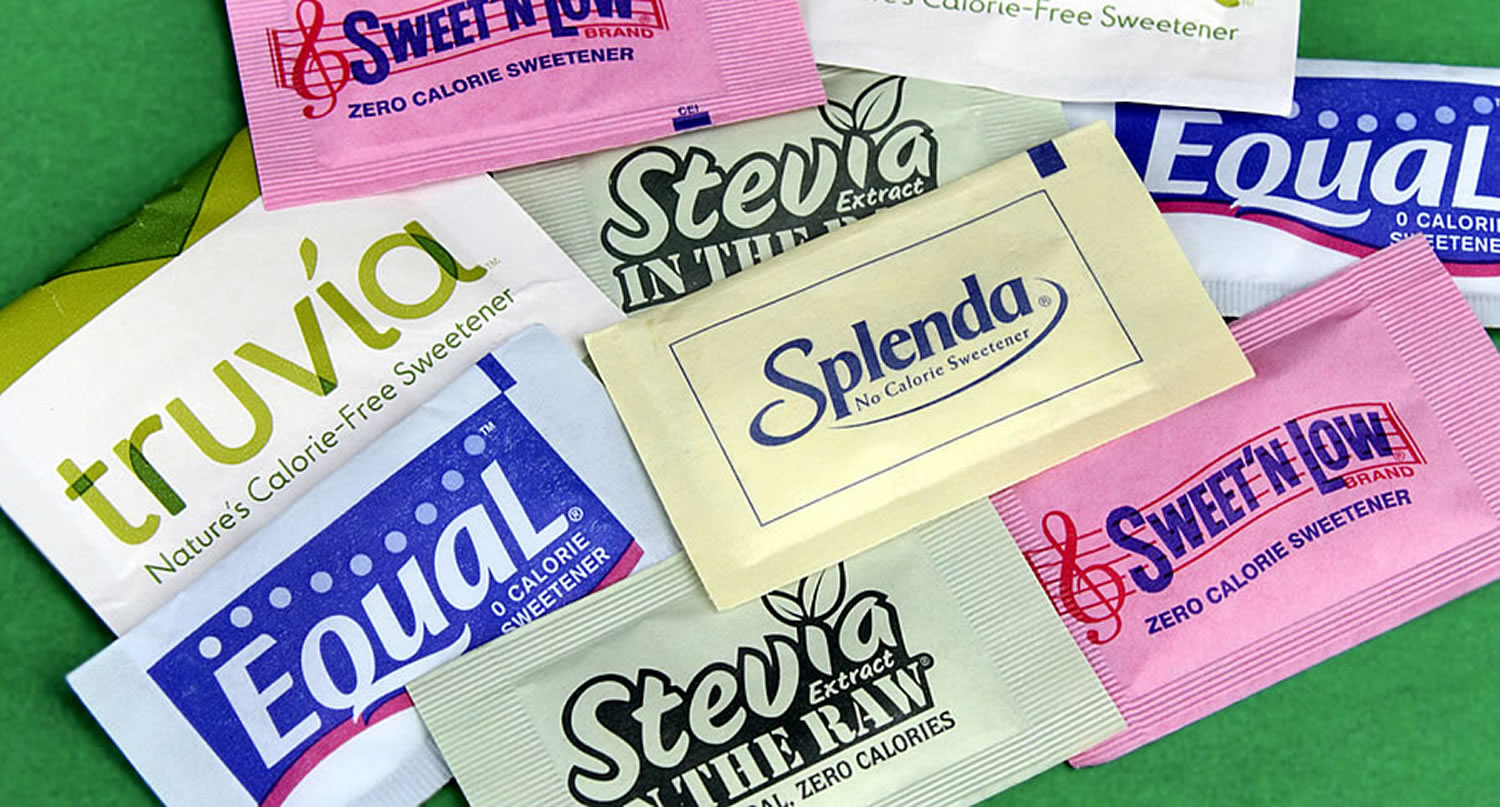
these substances may alter the gut microbiome, which acts as a “hidden organ” vital for metabolism, immune function, and blood sugar regulation. Research indicates that sweeteners such as saccharin, sucralose, and aspartame can disrupt the balance of these trillions of beneficial bacteria. This imbalance is potentially linked to increased insulin resistance, elevated blood sugar levels, and chronic inflammation.
Cardiovascular Concerns and Long-Term Strategy
The safety profile of certain substitutes is also shifting. Erythritol, once widely considered benign, has been the subject of recent studies suggesting a potential link to increased risks of thrombosis and cardiovascular disease. While further evidence is required to confirm these findings, it serves as a critical reminder that these substances are not biologically inert.

Expert Insight: The transition toward sugar alternatives should be viewed as a temporary bridge rather than a permanent dietary destination. While sweeteners can help break the cycle of excessive sugar consumption, the ultimate goal must be a fundamental shift in eating habits, prioritizing whole foods over processed, “diet” labelled products that often perpetuate cravings for sweetness.
Looking Ahead: A Sustainable Path
In the future, health professionals may increasingly emphasize the importance of whole fruits over fruit juices. Even “100% natural” juices, which lack the fiber of whole fruit, can cause rapid spikes in blood sugar. As researchers continue to study the long-term metabolic effects of sweeteners, it is likely that clinical guidance will remain focused on the gradual reduction of all added sweeteners.
Should the need for a sweetener persist, current data suggests that stevia may be a relatively more favorable option from a metabolic perspective. However, because long-term research remains limited, the guiding principle for any sugar alternative remains strict moderation.
Frequently Asked Questions
Are “zero-sugar” drinks safe to consume in unlimited quantities?
No, this is a dangerous misconception. Research shows that sweeteners can affect the body’s metabolism, gut health, and appetite regulation, meaning they are not the harmless substitutes many assume them to be.

How do artificial sweeteners affect weight loss?
Because sweeteners can disrupt the brain’s satiety mechanisms, they may lead to cravings or overeating later on. Consuming “no-sugar” drinks does not guarantee weight loss.
What is the recommended strategy for reducing sugar intake?
Doctors recommend a gradual reduction of sugar to allow the palate to adjust. Transitioning toward whole fruits, which contain fiber and beneficial micronutrients, is more sustainable and effective for metabolic health than relying on processed, “diet” products.
Are you currently relying on sugar alternatives, or have you attempted to adjust your palate to the natural sweetness of whole foods?