
Argentina Dismantles Fake Coins Crypto Fraud Network
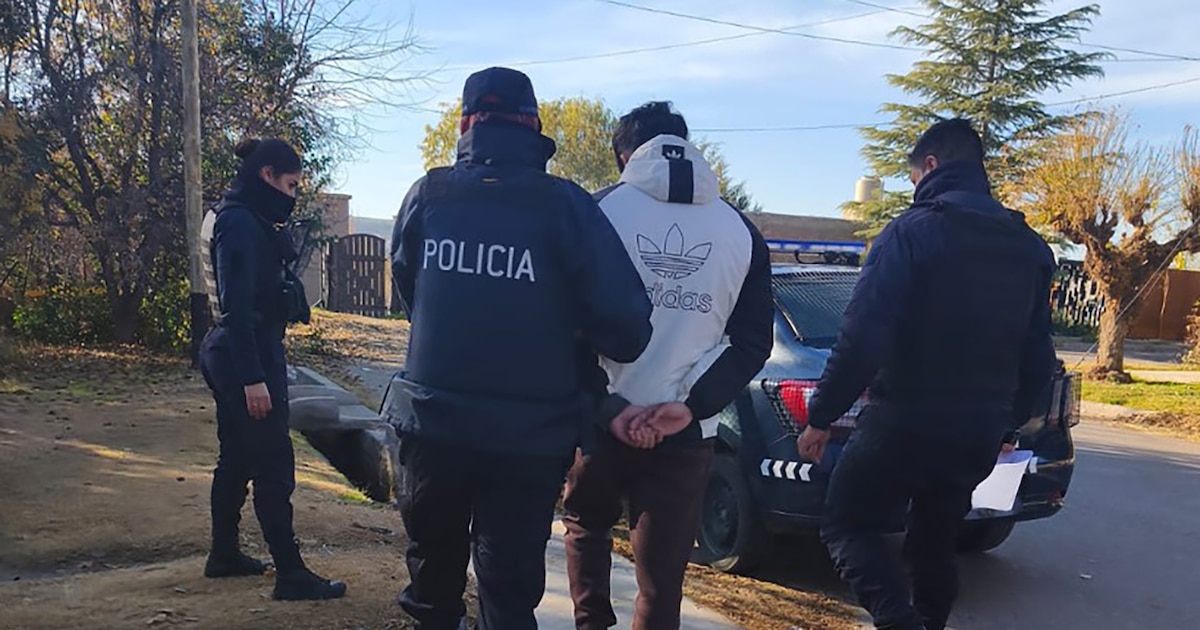
The Buenos Aires Police and the Buenos Aires Prosecutor’s Office have dismantled “Fake Coins,” a criminal network involving 55 suspects accused of crypto-asset fraud and money laundering. Following over 70 raids across five provinces, 21 people were detained for orchestrating schemes that moved over $1 million USD through fraudulent bank loans and digital assets.
How did the “Fake Coins” organization operate?
The criminal group utilized a hierarchical structure to lure victims through sophisticated digital capture strategies. They promised exorbitant gains by simulating backing from blockchain technology and decentralized financial markets.
According to the investigation, the gang used fake websites, fraudulent mobile apps, and mass email campaigns. They also employed “romance scams,” using dating apps like Tinder to build relationships with potential victims before inducing them to invest.
The operation relied on “prestacuentas”—individuals at the lower levels of the hierarchy who performed multiple transfers between bank accounts and virtual wallets. This method was designed to hide the illicit origin of the funds and complicate the money trail.
What were the specific financial maneuvers used?
The group engaged in large-scale bank fraud using forged documentation. In July 2025, a suspect posed as the president of SEEDAR SA at a Banco Galicia branch to open a current account using a fake DNI.

Through this account, the suspect secured an electronic loan for 393,815,000 pesos, which were then transferred to an account at the company Let Bit. By August 19, the suspect obtained additional “DNI loans” totaling 464,402,600 pesos, repeating this maneuver at least three times.
The Unidad Fiscal de Instrucción y de Juicio N°3 de Pergamino also documented the use of fake identities to open accounts for other firms, including ALAV SRL and HIDALGO SA. These funds were rapidly converted into digital assets and sent to crypto wallets controlled by the organization.
Why did the “financial arbitrage” defense fail?
The suspects attempted to justify their movements as “financial arbitrage,” claiming they were simply exploiting price differences between different currencies. However, forensic reports from the Procuración debunked this claim.
Investigators found that the timing of the transfers and the conversion of funds did not align with legal arbitrage practices. Furthermore, there were no formal contracts or legitimate business links between the affected companies and the account holders.
The case is now categorized as illicit association, fraud, use of false public documents, and money laundering. Authorities have already blocked bank accounts and virtual wallets and seized electronic devices as evidence.
What may happen next in the investigation?
The Procuración and the Federal Police are likely to continue their efforts to identify additional victims who fell for the “Fake Coins” schemes. A possible next step involves a deeper analysis of the traceability of the diverted funds to recover assets.
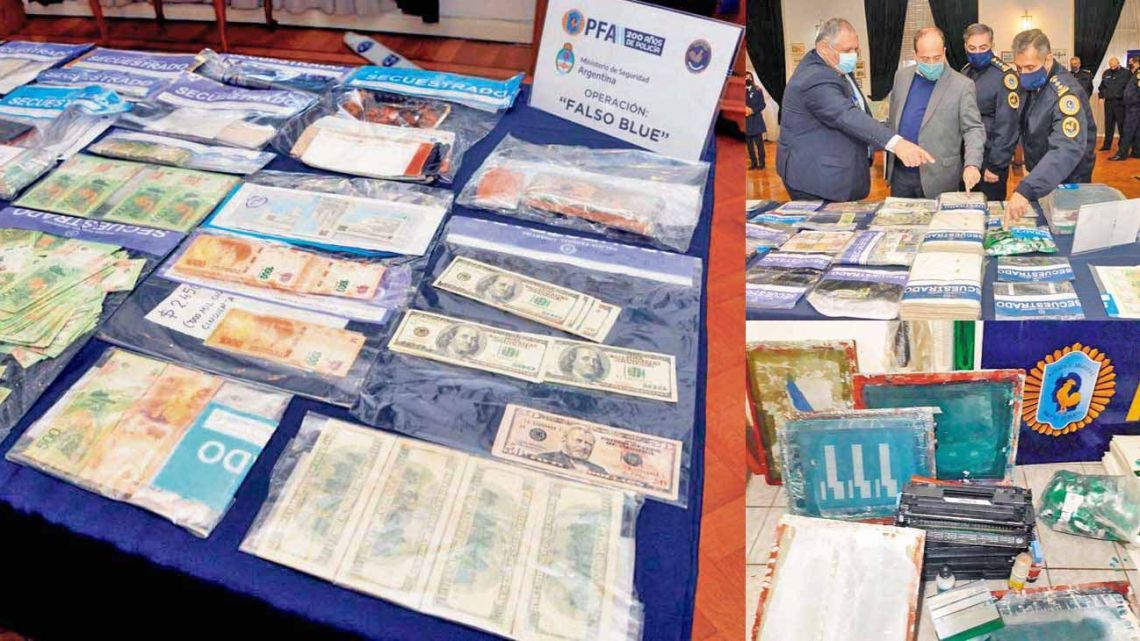
Because the group created commercial companies simultaneously with their crimes, the investigation may expand to further explore the full scope of their money laundering infrastructure. The preventive blocking of linked accounts is expected to remain in place as the legal process unfolds.
Frequently Asked Questions
What is the “Fake Coins” organization?
It is a criminal network dedicated to computer fraud linked to crypto-assets, involving 55 suspects and operating across various points in Argentina, including Buenos Aires, Córdoba, Santa Fe, Misiones, and Mendoza.
What specific crypto scams did the group use?
The group employed Ponzi schemes, “Pump and Dump” market manipulation, “Rug Pulls” in DeFi projects, and fraudulent trading promises to steal funds from investors.
How much money was involved in the fraud?
According to the fiscal presentation, the total sum involved exceeds the equivalent of one million dollars, transferred across several operations within a few weeks.
Do you think current banking security is sufficient to stop the use of forged identities for large-scale loans?