

Ariana Grande breaks silence after accidentally posting photo of her bare boob on Instagram
Ariana Grande responded to an accidental Instagram photo exposing her breast by posting a comedic skit with Elizabeth Gillies. According to Instagram posts, the singer chose humor over deletion, a move that fans on X described as “funny” and unbothered, signaling a shift in celebrity crisis management toward authenticity and “leaning in” to public blunders.
Why is humor replacing the traditional celebrity apology?
Celebrities are increasingly ditching formal apologies for comedic ownership. Instead of the standard “I’m sorry” or a quick deletion, stars now use “anti-PR” to humanize their brand. In this instance, Grande didn’t delete the photo of her in a red check dress; she instead filmed a video with Elizabeth Gillies where Gillies tells her, “You have great tits,” and Grande simply replies, “Thank you.”
This shift happens because modern audiences, particularly Gen Z and Millennials, view curated perfection as fake. By treating a wardrobe malfunction as a joke, the celebrity removes the power from the “scandal” and controls the narrative. According to reactions on X, fans praised the move, with one user stating, “She really don’t give a f**k.”
How do “unfiltered” moments impact fan engagement?
Unfiltered moments drive higher engagement because they create a sense of intimacy. When Grande posted the photo dump featuring her petting a dog in an airport parking lot, the “nip slip” became a point of organic conversation. Rather than a corporate statement, the interaction remained peer-to-peer.
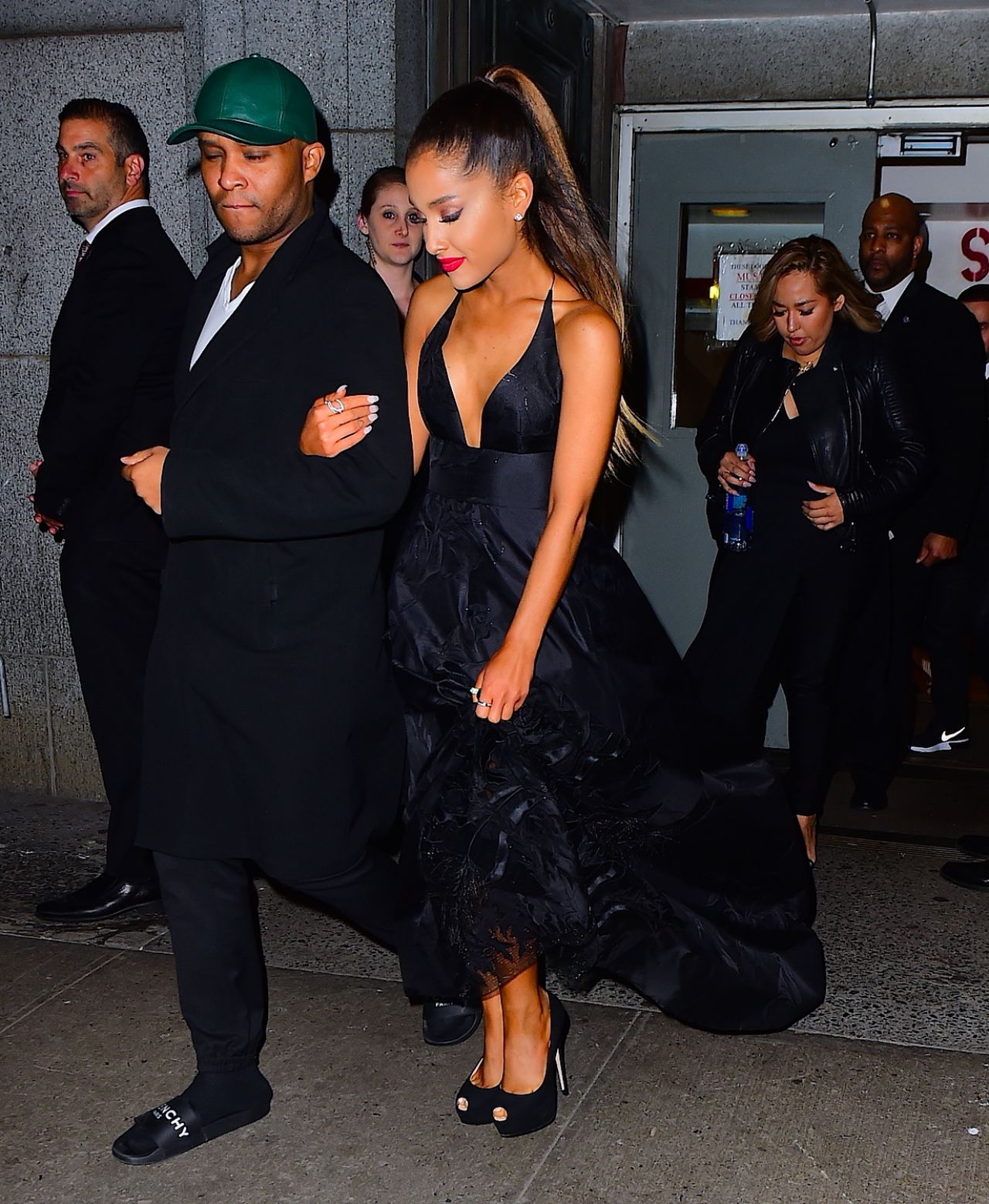
Data from social platforms show that “authentic” failures often outperform polished advertisements. When fans noticed the upload blunder, they immediately flocked to X to discuss it. The subsequent video with Gillies kept those users engaged longer, moving the conversation from the exposure itself to Grande’s sense of humor.
Comparison: Traditional PR vs. Modern “Lean-In” PR
| Traditional Approach | Modern “Lean-In” Approach |
|---|---|
| Immediate deletion of the post | Leaving the post or referencing it |
| Formal apology or silence | Satire, skits, or self-deprecating jokes |
| Damage control via press release | Direct interaction via Stories or X |
What happens when stars refuse to delete “blunders”?
Refusing to delete a mistake signals confidence and high social status. By keeping the photo and following up with a joke, Grande demonstrated that her brand is not threatened by a wardrobe malfunction. This creates a “power move” dynamic where the celebrity dictates the terms of the conversation.
The consequence of this trend is a decrease in the “shock value” of celebrity leaks. When the stars themselves make the joke, the paparazzi and gossip outlets lose their leverage. According to fan comments, the reaction to the Gillies video was one of admiration, with users calling her a “funny woman.”
FAQs About Celebrity Social Media Management
Why don’t celebrities just delete accidental posts?
Deleting a post often draws more attention to it and creates a “Streisand Effect,” where the attempt to hide information makes it more popular. Leaving it up and joking about it neutralizes the scandal.
How does this affect their brand image?
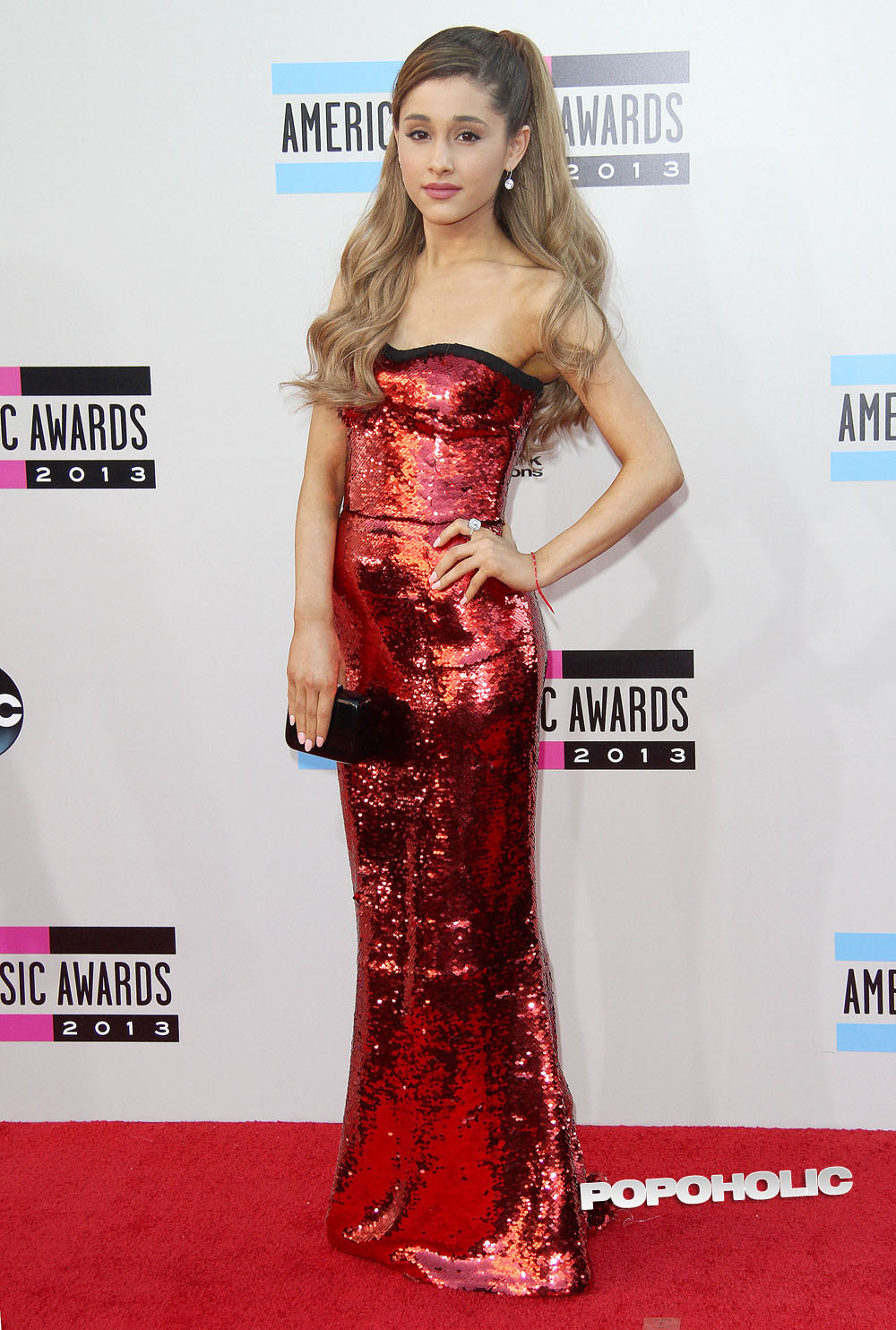
It shifts the image from “untouchable idol” to “relatable human.” In the case of Ariana Grande, the response reinforced her image as someone who is confident and possesses a sharp sense of humor.
What role does the “inner circle” play in these responses?
Featuring friends, like Elizabeth Gillies, adds a layer of authenticity. It shows the celebrity has a support system that shares their humor, making the response feel like a genuine interaction rather than a calculated PR move.
What do you think? Is the “lean-in” approach the best way to handle social media mistakes, or should some things stay private? Let us know in the comments or subscribe to our newsletter for more entertainment insights.