
Arnold Schwarzenegger fitness inspiration of the week: Why his simple habits still work better than modern fitness trends |
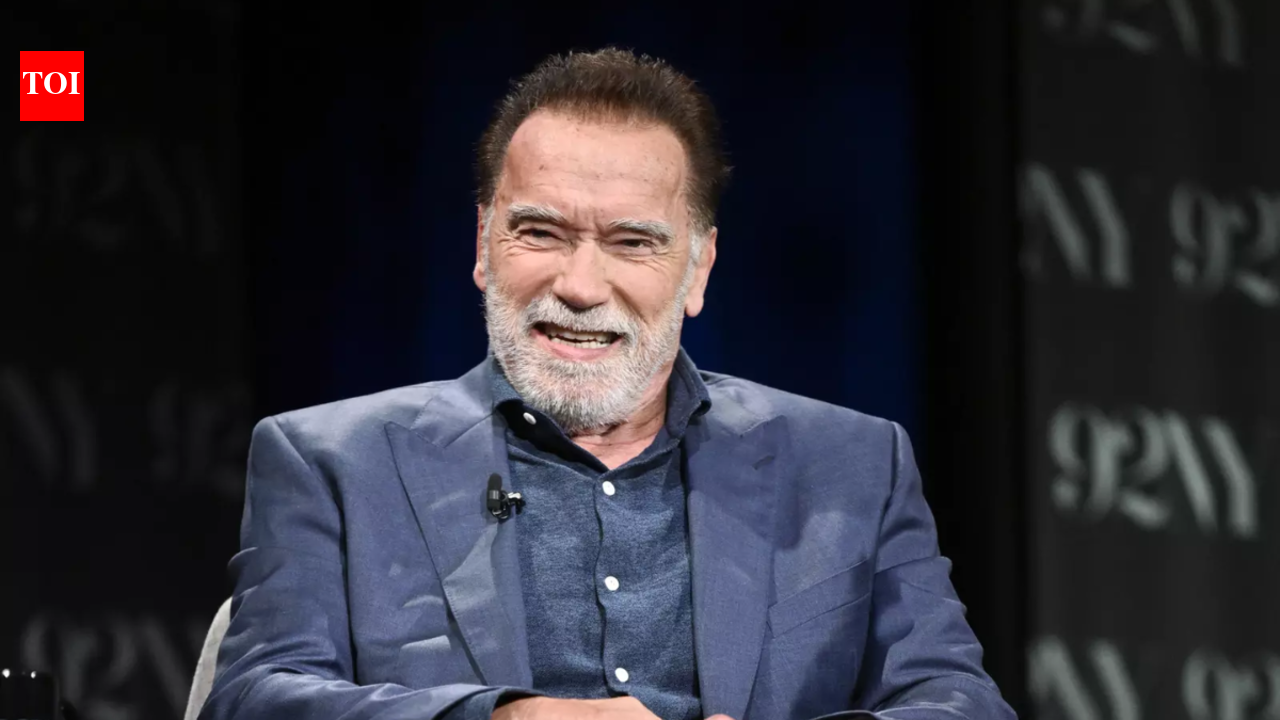
At 78, Arnold Schwarzenegger has shifted the global conversation around fitness, moving away from the era of “ego lifting” and massive bodybuilding stages toward a philosophy of longevity and functional health. While he remains one of the most recognized figures in fitness culture, his current influence is rooted not in physical perfection, but in a disciplined, practical approach to aging.
The Shift from Performance to Protection
For decades, Schwarzenegger was defined by his bodybuilding career. Today, he advocates for a routine that prioritizes mobility, consistency, and daily movement. Rather than punishing the body with extreme, high-intensity sessions, he focuses on cycling, stretching, and lighter resistance work to maintain strength and vitality.
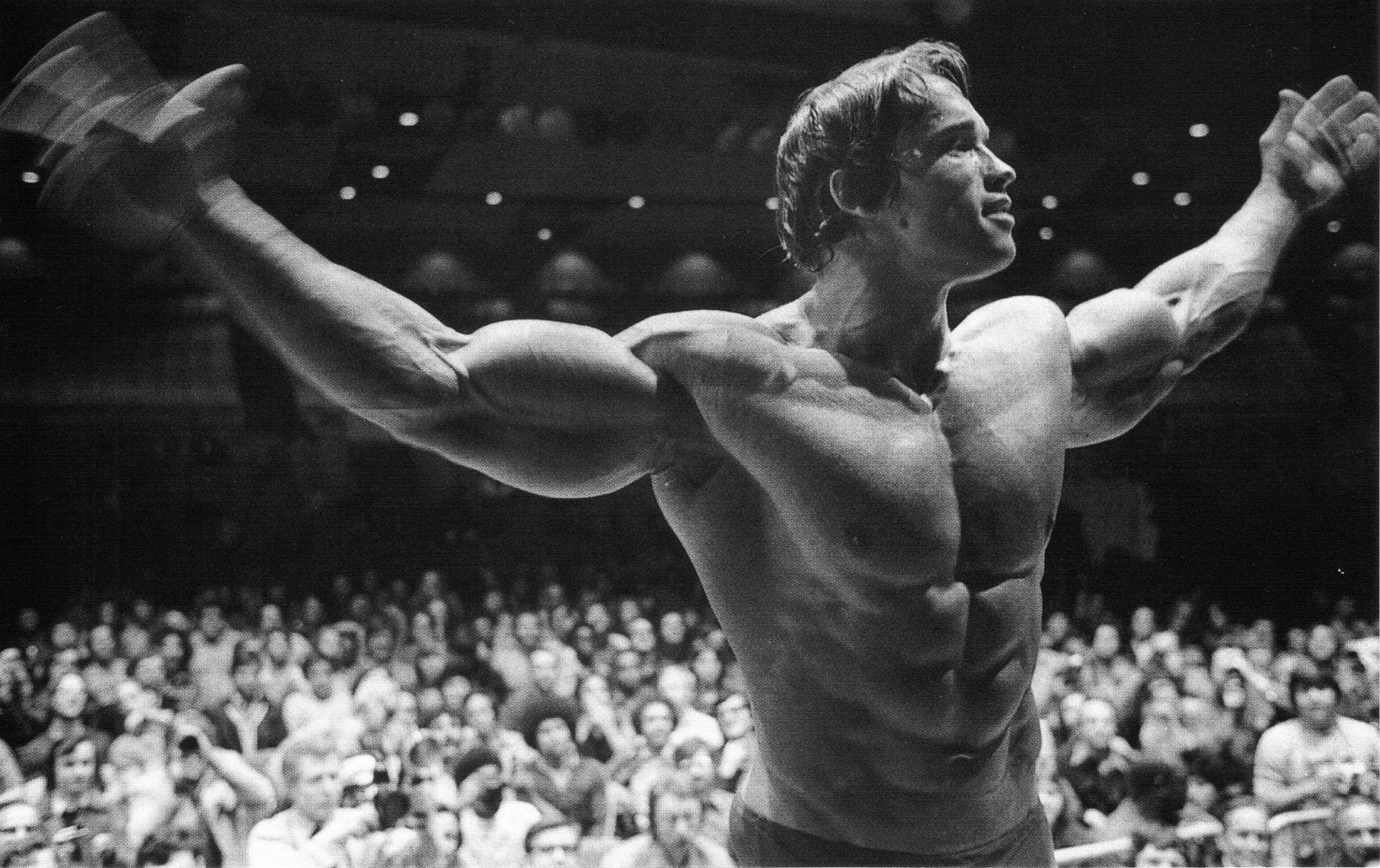
This transition reflects a broader understanding of exercise as a tool for health rather than just aesthetics. Research indicates that strength training is essential for supporting bone density, metabolism, and brain health as the body ages. By emphasizing these benefits, Schwarzenegger is highlighting a shift from fitness as a performance-based endeavor to fitness as a form of physical protection.
Why Consistency Matters
The Centers for Disease Control and Prevention (CDC) recommends that adults engage in at least 150 minutes of moderate physical activity weekly, alongside muscle-strengthening exercises twice a week. Schwarzenegger’s lifestyle—which includes daily walks and regular training—aligns with these health standards. His ability to adapt his training following surgeries and throughout his life serves as a practical model for sustainable wellness.
What May Happen Next
As the fitness industry continues to grapple with the pressures of social media-driven standards, We see likely that more individuals will seek out sustainable, longevity-focused programs. Analysts might expect a continued decline in the popularity of extreme “fat-burning hacks” in favor of routines that prioritize recovery, mental health, and functional movement. If this trend holds, the focus of the fitness world could shift toward a more balanced, multi-generational approach to physical activity.
Frequently Asked Questions
What does a practical version of Schwarzenegger’s routine look like?
A realistic routine includes daily 30-minute walks, strength training two to three times per week, balanced nutrition, prioritizing sleep and recovery, and maintaining social and mental engagement.
Why does Schwarzenegger warn against modern fitness shortcuts?
He warns that social media often pushes unrealistic expectations, such as achieving visible abs in four weeks, which can lead to burnout, injuries, hormonal imbalances, and frustration.
How has Schwarzenegger’s approach to training changed over time?
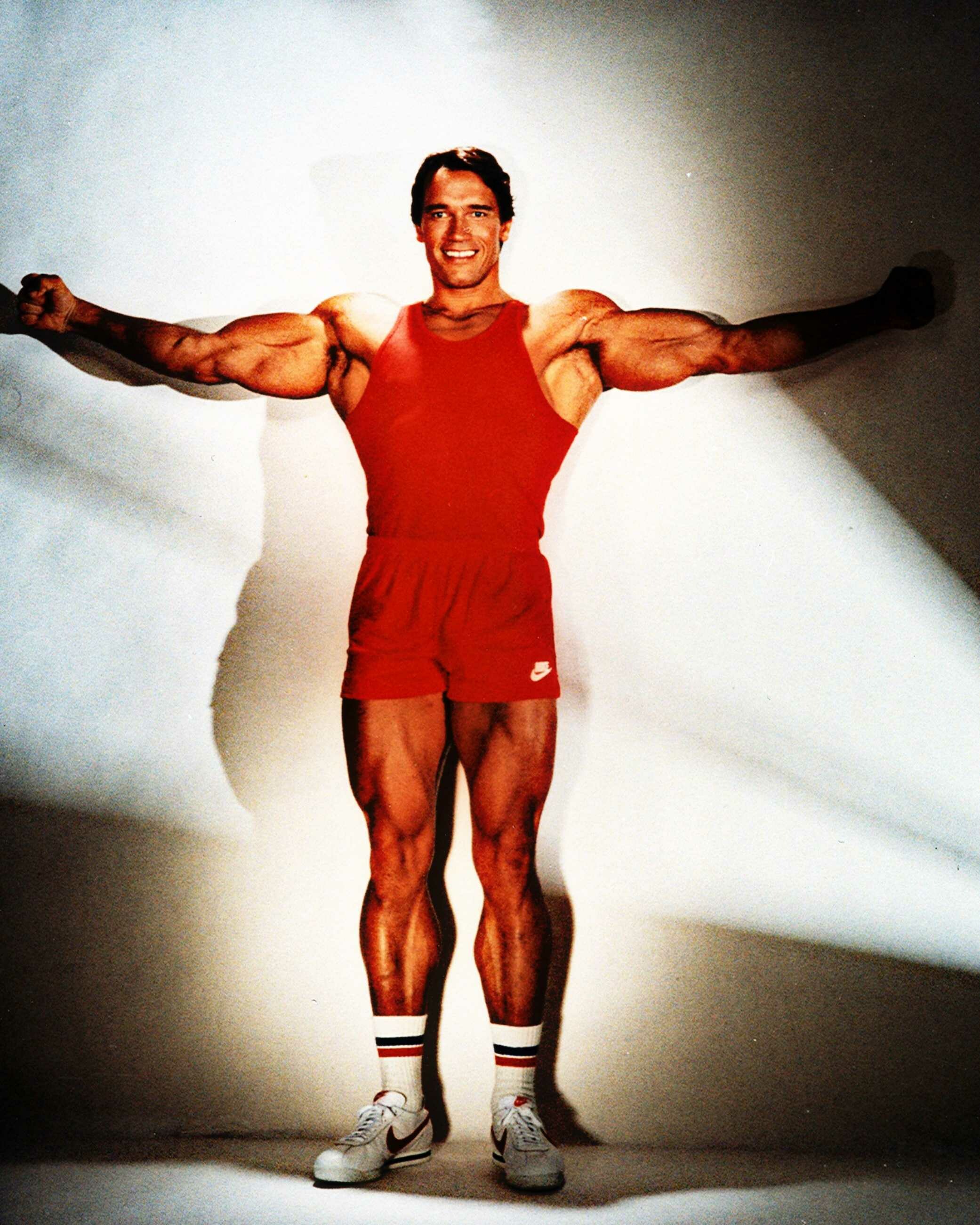
He has moved away from “ego lifting” and the pursuit of massive muscles to focus on mobility, stretching, cycling, and resistance work that supports his body as he ages.
How has your own definition of fitness evolved as you have moved through different stages of your life?