

Artemis II Astronaut Christina Koch Awarded Prestigious Princess of Asturias Prize
NASA astronaut Christina Koch has been awarded the Princess of Asturias Award for Concord, a prestigious Spanish honor recognizing individuals who advance human progress, peace, and solidarity. The jury selected Koch for her pioneering contributions to space exploration, including her role in the Artemis II mission and her record-breaking 328-day stay aboard the International Space Station (ISS) between 2019 and 2020.
Why the Artemis II Mission Matters for Future Exploration
The Artemis II mission serves as a critical bridge between low-Earth orbit operations and long-term lunar habitation, according to NASA. By sending a crew to orbit the Moon for the first time since 1972, the mission tests the life-support systems and navigation technology required for future sustainable presence on the lunar surface. The Princess of Asturias jury noted that Koch’s work “pushed the boundaries of human endeavor,” signaling that her contributions are viewed as foundational for upcoming deep-space travel.
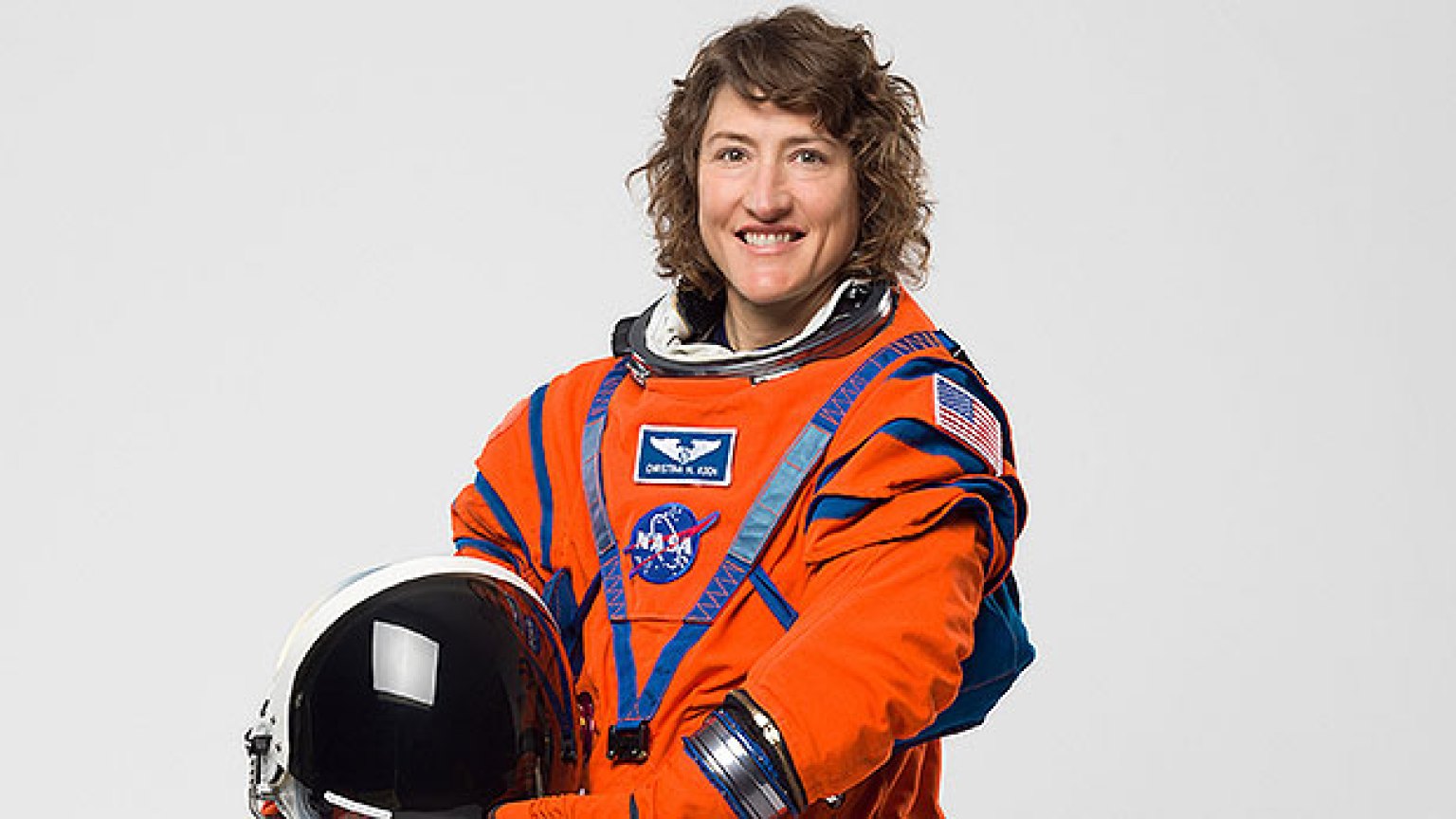
Christina Koch holds the record for the longest single spaceflight by a woman, spending 328 consecutive days in orbit. This duration is essential for studying the long-term effects of microgravity on the human body, providing data necessary for eventual missions to Mars.
Comparing Modern Space Missions to Apollo
While the Apollo missions focused on rapid lunar landings during a geopolitical space race, the current Artemis program prioritizes sustained, international scientific cooperation. The Princess of Asturias Award for Concord, which has previously been granted to the European Union and the Spanish health workers during the COVID-19 pandemic, highlights the shift toward viewing space exploration as a collaborative humanitarian effort rather than purely a nationalistic one. Whereas Apollo 11 represented a singular, short-term triumph, Koch’s Artemis II mission is framed as a step toward establishing a recurring, permanent human presence in space.
What Happens After the Artemis II Flight?
Following the successful completion of the Artemis II mission, NASA plans to utilize the gathered data to refine the Orion spacecraft for the Artemis III mission, which aims to return humans to the surface of the Moon. The technological insights gained from Koch’s radio silence test—where she spent 41 minutes out of contact—will inform future communication protocols for deep-space missions where latency and signal reliability are major hurdles. The award, which includes a 50,000-euro prize and a Joan Miró sculpture, will be presented during an official ceremony held by the Spanish Royal Family in October.
Frequently Asked Questions
- Who is Christina Koch? Christina Koch is a NASA astronaut and a key member of the Artemis II mission, recognized for both her record-breaking time in space and her contributions to human space exploration.
- What is the Princess of Asturias Award for Concord? It is an annual award presented in Spain to individuals or groups who have made significant contributions to peace, freedom, and the advancement of humanity.
- Why is the Artemis II mission significant? It is the first mission to take humans back to the vicinity of the Moon since 1972, serving as a precursor for future lunar surface landings.
- What is the primary goal of the Artemis program? The program aims to establish a sustainable human presence on the Moon as a stepping stone for future Mars exploration.
What do you think is the biggest challenge for long-term lunar habitation? Share your thoughts in the comments section below or subscribe to our newsletter for more updates on the future of space travel.