
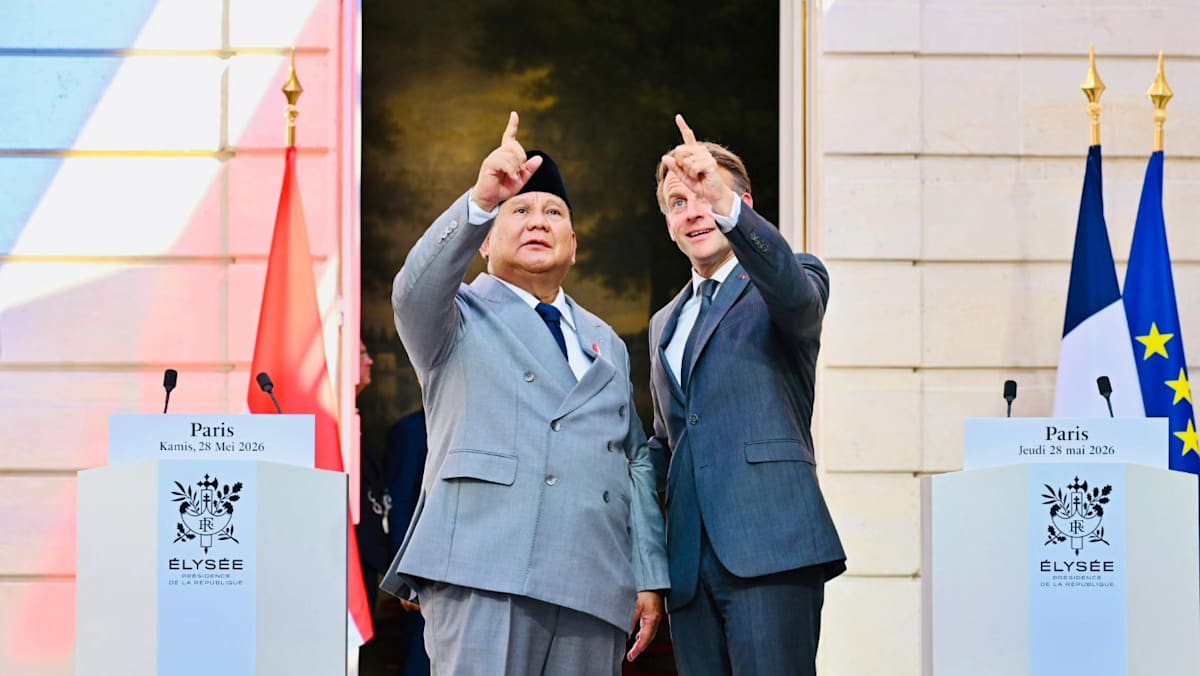
As Indonesia tightens spending, Prabowo’s travel-heavy diplomacy comes under scrutiny
The New Era of ‘Hyper-Personal’ Diplomacy: Decoding Indonesia’s Global Strategy
For decades, Indonesia has adhered to a “free and active” foreign policy, a diplomatic cornerstone designed to keep the nation non-aligned and autonomous. However, we are witnessing a pivot toward what experts call “free and active plus.” This isn’t just a tweak in terminology. it is a fundamental shift toward leader-to-leader diplomacy, where the physical presence of a head of state is viewed as the ultimate currency of commitment.
In an era of Zoom calls and digital summits, the gamble is that face-to-face engagement can unlock doors that bureaucratic channels simply cannot. By prioritizing personal relationships and “emotional closeness” between leaders, Indonesia is betting that high-level rapport can preempt crises and accelerate binding political commitments.
Strategic Hedging: Navigating a Fragmented Multipolar World
The future of Indonesia’s diplomatic trajectory suggests a sophisticated game of strategic hedging. Rather than choosing a side in the intensifying geopolitical rivalry between major powers, Jakarta is positioning itself as an autonomous middle power. This involves maintaining simultaneous, high-level relationships with multiple centres of power.
We see this pattern in the repeated visits to diverse hubs: France and the EU for technology and trade, Russia and Eurasian partners for energy and food security, and the Gulf states for massive capital injections. This diversification ensures that Indonesia avoids over-dependence on any single geopolitical bloc, granting it “strategic flexibility.”
The Defense-Diplomacy Nexus
A key trend emerging is the blending of national security with economic diplomacy. With a background in defense, President Prabowo is leveraging security partnerships to facilitate technology transfers and defense procurements. In the world of high-stakes arms deals and security pacts, the personal trust between two leaders often outweighs the formal agreements signed by ministers.
Turning Handshakes into Hard Currency: The ROI of Globe-Trotting
The most contentious point of this travel-heavy approach is the cost. Critics often point to the contrast between expensive overseas itineraries and domestic spending cuts in healthcare and education. However, the administration is countering this narrative by framing diplomacy as a direct engine for economic growth.
The data points are significant. According to the investment ministry, Indonesia has attracted approximately 2.43 quadrillion rupiah in investment over the past 18 months. The immediate impact of specific trips is even more striking; a recent visit to Japan and South Korea reportedly resulted in around 575 trillion rupiah in investment shortly after the president’s return.
Moving forward, One can expect “economic diplomacy” to become the primary metric for judging the success of foreign travel. The goal is to transform ceremonial visits into tangible assets: BRICS accession, EU trade negotiations, and secured Hajj arrangements.
The Domestic Tension: Global Ambition vs. Local Reality
As Indonesia pushes to be an influential global player, a growing tension exists between its international image and domestic priorities. The challenge for any administration pursuing a “middle power” status is ensuring that the benefits of global prestige trickle down to the average citizen.
The narrative that the president personally covers budget excesses for foreign trips is an attempt to mitigate public outcry. However, the long-term trend will likely see increased pressure for transparency. The public will increasingly demand to know how a handshake in Paris or Riyadh directly improves infrastructure or education at home.
For more on how regional dynamics are shifting, you can explore our analysis of global geopolitical trends or check out our internal guides on ASEAN’s evolving role in the 21st century.
Frequently Asked Questions
What is “Free and Active Plus” diplomacy?
It is an evolution of Indonesia’s traditional non-aligned policy, placing a much heavier emphasis on direct, personal engagement between heads of state to secure binding commitments and strategic partnerships.
Why is physical presence considered important in diplomacy?
Physical presence is viewed as the highest signal of political commitment. It allows for the building of personal trust and emotional closeness, which are often essential for negotiating complex deals that cannot be settled through virtual meetings.
How is the cost of these frequent trips being justified?
The government justifies the expenses by pointing to massive investment inflows, such as the 2.43 quadrillion rupiah attracted over 18 months, and strategic gains like BRICS accession and defense cooperation.
Does Indonesia intend to join a specific geopolitical bloc?
No. The current strategy is to maintain “strategic flexibility,” avoiding dependence on any single bloc while pursuing diverse interests across Europe, Asia, and the Middle East.
What do you think? Is the “leader-to-leader” approach the most effective way to secure national interests in a fragmented world, or should diplomacy return to more traditional, bureaucratic channels? Share your thoughts in the comments below or subscribe to our newsletter for more deep dives into global politics.