
Asian Stocks: Nikkei and KOSPI Hit Record Highs on AI and US-Iran Deal
Asian stock markets split on Thursday as Japanese and South Korean indices hit record highs following a U.S.-Iran framework deal to end hostilities. According to Investing.com, the Nikkei reached 71,477.0 points and the KOSPI hit 8,976.55, driven by a combination of Middle East stability and surging demand for AI-linked semiconductor stocks.
Why did Japanese and South Korean stocks hit record highs?
The surge in Japan and South Korea stems from a pivot toward AI hardware and a reduction in geopolitical risk. Investing.com reports that the Nikkei surged nearly 2% to a record 71,477.0 points, while the KOSPI rose nearly 1% to 8,976.55 points.
Chipmaking stocks led the rally. In South Korea, SK Hynix Inc jumped 5% to a record high after announcing it shipped advanced memory chip samples to major customers. Japan saw similar strength in chip component makers Murata Mfg Co and Aibiden. SoftBank Group Corp. also rose 3% following a period of heavy losses.
How is the U.S.-Iran framework deal impacting regional markets?
A memorandum of understanding signed remotely by U.S. President Donald Trump and his Iranian counterpart has signaled an end to a four-month war. According to Investing.com, this preliminary agreement aims to end hostilities and reopen the Strait of Hormuz.
The deal’s immediate effect was felt in energy-dependent markets. India’s index rose 0.6% as falling oil prices increased optimism regarding the country’s economic recovery. While the U.S. Federal Reserve floated the possibility of an interest rate hike, which dragged down Wall Street overnight, Asian markets largely ignored the lead-in due to the Middle East breakthrough.
The agreement initiates 60 days of talks focusing on Iran’s nuclear program. However, Trump warned that the U.S. could resume attacks if Iran fails to comply with the deal terms.
Why is the Hang Seng index hitting an 11-month low?
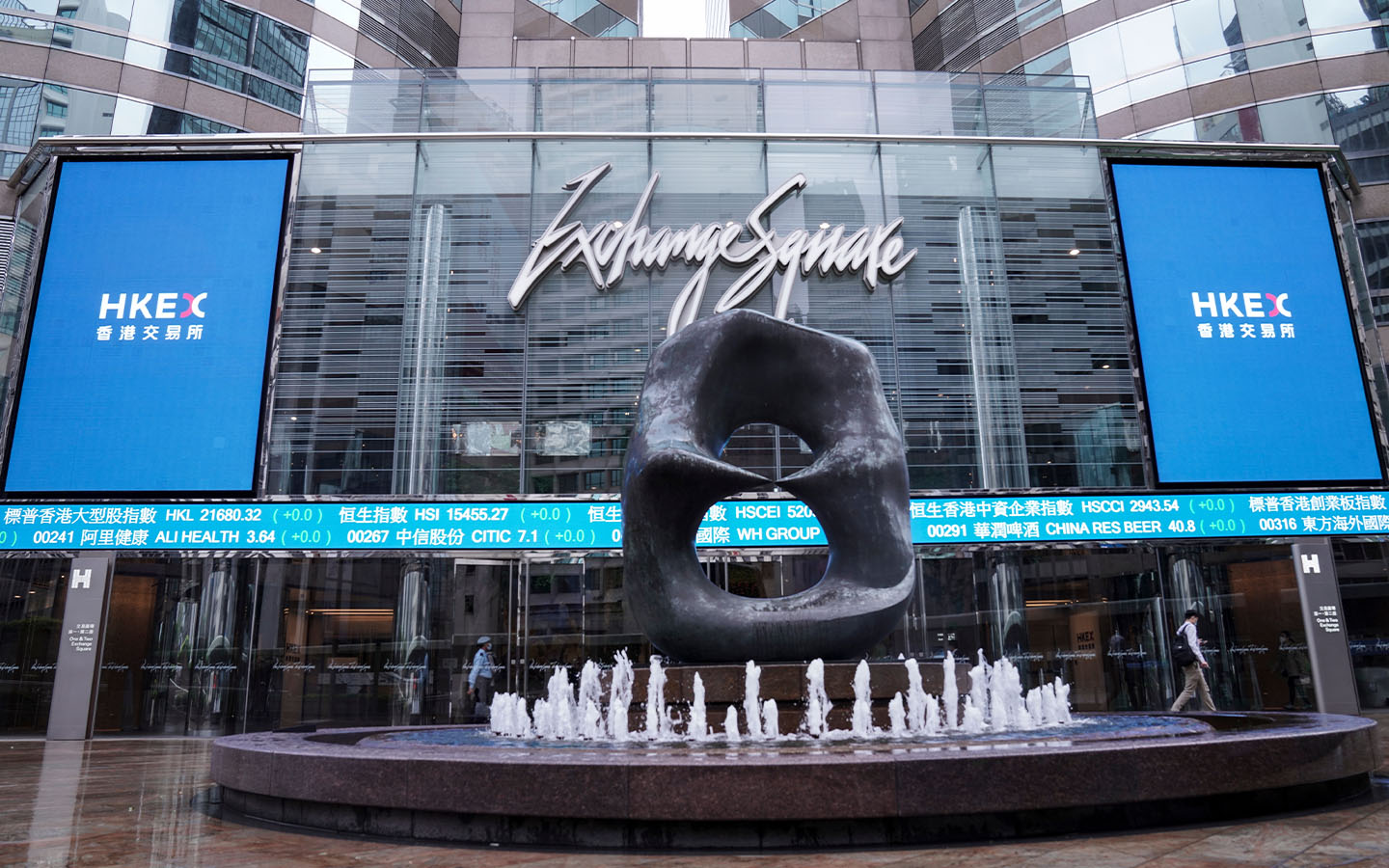
Hong Kong markets diverged from the regional trend, with the Hang Seng index sliding 1.8% to its weakest level since July 2025, per Investing.com. This slump is tied to two primary factors: a shift in AI investment and regulatory pressure from Beijing.
Investors are favoring AI hardware in Japan and Korea over the internet-heavy stocks of Hong Kong. Consequently, tech giants including Alibaba Group, Tencent, Baidu Inc, and Xiaomi Corp all saw declines between 1% and 3%.
Simultaneously, a crackdown by Beijing on cross-border investments has reduced capital flows from mainland China. This has specifically hit brokerage and wealth management firms, with AIA and Prudential reporting deep losses throughout June.
AI Hardware vs. AI Software: Performance Contrast
The disparity in regional performance highlights a clear trend in investor preference. While traditional internet giants are struggling, specialized AI firms are still finding growth.

According to Investing.com, while Alibaba and Tencent fell, Hong Kong-listed AI stocks moved in the opposite direction. Zhipu (Knowledge Atlas Tech Joint Stock) jumped 15%, and MiniMax Group Inc added 9.6%.
What happens next for Asian markets?
Market stability now depends on the 60-day negotiation window between the U.S. and Iran. Any breakdown in these talks could reignite volatility in the Strait of Hormuz and spike oil prices, potentially reversing the gains seen in India.
In the tech sector, the focus remains on the delivery of advanced memory chips. The 5% jump in SK Hynix suggests that the market is reacting more to tangible product shipments than to general AI speculation.
Frequently Asked Questions
What caused the Nikkei and KOSPI to hit record highs?
A combination of a U.S.-Iran framework deal to end hostilities and strong investor demand for AI-linked semiconductor stocks, according to Investing.com.
Why did Hong Kong stocks fall while Japan rose?
Investors shifted preference toward AI hardware (chips) over internet stocks, and Beijing’s crackdown on cross-border investments reduced capital inflows into Hong Kong.
How did the U.S.-Iran deal affect India?
The deal led to falling oil prices, which spurred optimism for India’s economic recovery and pushed its index up 0.6%.
Are you adjusting your portfolio for the shift toward AI hardware? Share your thoughts in the comments below or subscribe to our newsletter for daily updates on Asian market volatility.