

Asian Stocks Surge and Oil Prices Fall After US-Iran Peace Deal
Stock markets in Japan and South Korea rose Monday morning after the U.S. and Iran reached a deal Sunday to permanently end military operations. This agreement, which concludes a monthslong war, triggered a drop in oil prices and a commitment from Donald Trump to reopen the Strait of Hormuz following the official signing.
Why did Asian stock markets react positively?
Investors in Japan and South Korea drove markets higher on Monday morning. This movement followed the news that Washington and Tehran agreed to end their military conflict.
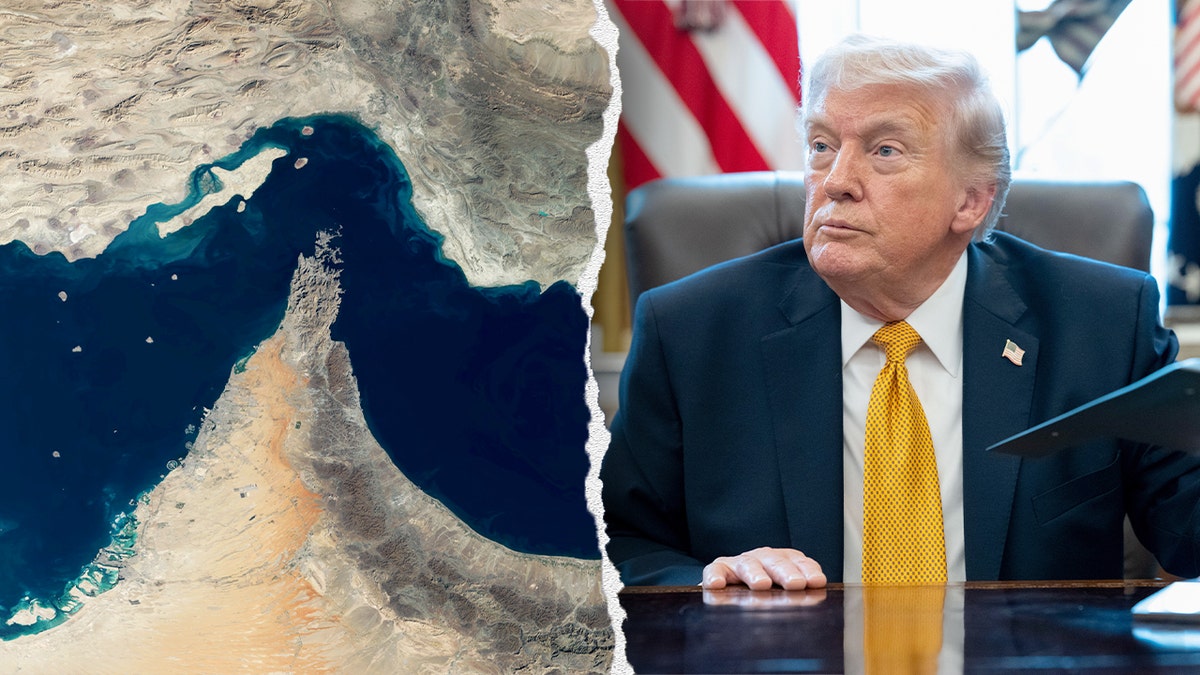
The reaction reflects investor response to the pending peace deal. Market participants welcomed the resolution of the monthslong war between the two nations.
What is the status of the Strait of Hormuz?
Oil prices fell as Donald Trump announced the Strait of Hormuz will reopen. This reopening is contingent upon the official signing of the peace deal.
The Strait serves as a critical transit point for energy. Its reopening is a primary component of the resolution between the U.S. and Iran.
What happens after the official signing?
The official signing is the final requirement before the Strait of Hormuz reopens. Once the documents are signed, the transition from military operations to a peace deal may be finalized.
Future market stability could depend on the successful execution of these terms. A failure to sign could potentially reverse the current gains seen in the Japanese and South Korean markets.
Frequently Asked Questions
When was the deal between the U.S. and Iran reached?
The deal was reached on Sunday.
Which specific stock markets jumped on Monday morning?
Stock markets in Japan and South Korea experienced jumps.
What condition must be met for the Strait of Hormuz to reopen?
The Strait will reopen after the official signing of the deal.
How do you think the reopening of the Strait of Hormuz will affect global energy costs?