
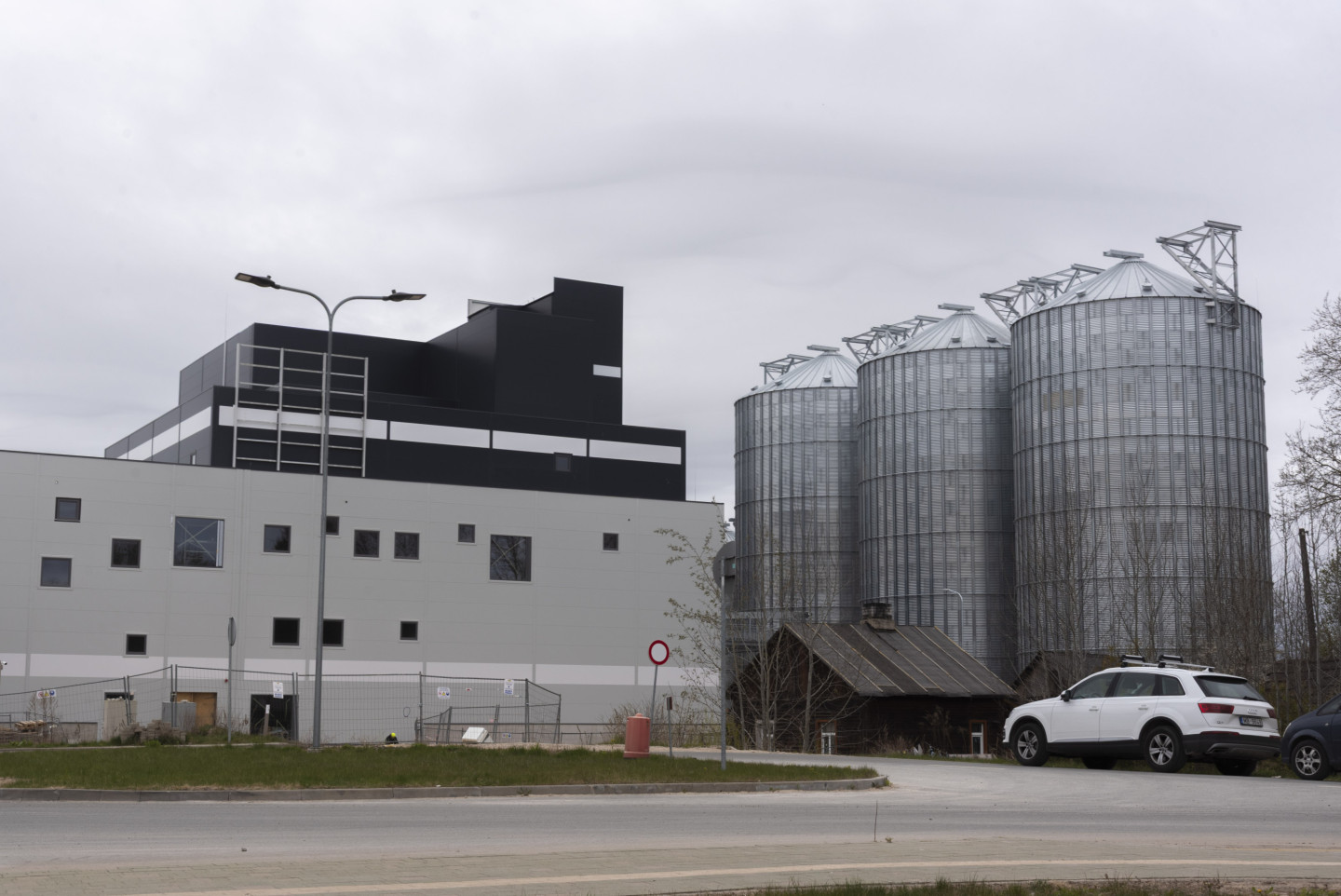
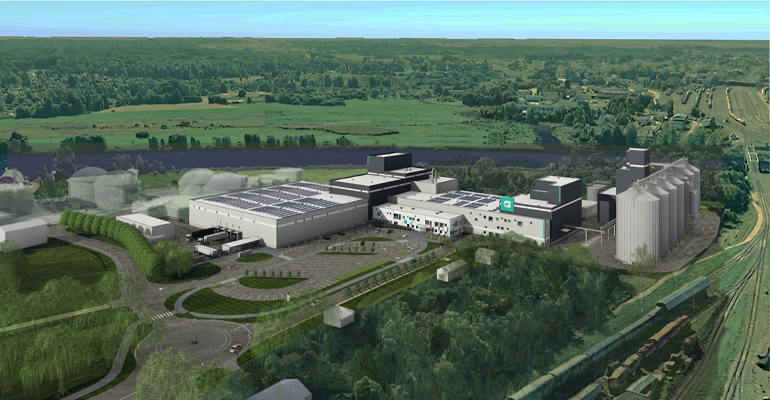
ASNS Ingredient’s Pea Protein Factory in Jelgava: Modern Facility to Boost Plant-Based Protein and Create 100+ Jobs
The Rise of Plant-Based Protein: Latvian Innovation Leads the Way
The ASNS Ingredient protein factory in Jelgava, Latvia, is set to redefine the global plant-based protein landscape. With a planned investment of up to 150 million euros, this facility promises to be the most advanced of its kind, producing high-quality plant-based protein while creating over 100 jobs. This development aligns with a growing global shift toward sustainable food systems, as consumers and industries seek alternatives to traditional animal agriculture.
The Role of Legumes in Sustainable Agriculture
At the heart of the project are legumes, particularly lentils, which play a critical role in soil health and crop rotation. Unlike monocultures, legumes like lentils and peas fix atmospheric nitrogen, reducing the need for synthetic fertilizers. This natural process not only lowers costs but also minimizes environmental harm. For example, in the U.S., the University of Minnesota has shown that legume-based rotations can increase soil organic matter by up to 25% over a decade.
However, challenges remain. Farmers often struggle to find consistent markets for legumes, as seen in the case of the UK’s “protein gap.” Despite this, the Jelgava factory aims to address this issue by creating a stable demand for lentils, ensuring farmers can profit from sustainable practices.
Breaking Down the Technology: From Lentils to Protein
The factory’s process involves extracting protein from lentils through a multi-step method: milling, separation, and purification. This results in a 84% pure protein product, with byproducts like starch and fiber finding applications in food, bioplastics, and animal feed. Similar technologies are used in Germany’s ProteinLab, which has successfully commercialized pea protein for the meat alternative market.
One standout feature is the factory’s zero-waste approach. Every byproduct is repurposed, aligning with the EU’s circular economy goals. This model could inspire other regions, such as the Netherlands, where Wageningen University is researching closed-loop food systems.
Economic Impact and Job Creation
The project is expected to create over 100 jobs in Jelgava, a city with a strong industrial heritage. While automation will reduce the need for manual labor, the factory will prioritize local hiring, emphasizing skilled roles in engineering and R&D. This mirrors the success of Siemens’ renewable energy initiatives in Denmark, where local talent was central to project implementation.
Support from the European Agricultural Fund for Rural Development (EAFRD) has been pivotal. The factory’s developers secured 15 million euros in subsidies, a strategy that reflects the EU’s focus on “strategic partnerships” in agriculture. This approach contrasts with the U.S., where federal subsidies often favor large-scale commodity crops over diversified, sustainable practices.
Challenges and the Road Ahead
Bureaucratic hurdles remain a concern. Despite Latvia’s efforts to streamline processes, investors often face delays due to fragmented regulatory frameworks. This mirrors issues in Spain, where agricultural projects have been stalled by overlapping permits. However, the Jelgava factory’s collaboration with local authorities and the Latvian Bioengineering and Technology University offers a model for public-private partnerships.
Another challenge is market competition. With global protein alternatives valued at $14 billion in 2023, the factory must differentiate itself. By focusing on premium, locally-sourced ingredients, it can carve a niche, similar to how Beyond Meat positioned itself as a high-quality alternative to beef.
FAQ: Key Insights on the Jelgava Protein Factory
What makes the Jelgava factory unique?
It combines cutting-edge technology with a zero-waste philosophy, creating a closed-loop system that maximizes resource efficiency. This sets it apart from many competitors that struggle with sustainability.
How will this project benefit Latvian farmers?
By guaranteeing a market for lentils, the factory encourages sustainable farming practices. Farmers can diversify their crops, reducing reliance on monocultures like rapeseed, which has faced criticism for soil depletion.
What role does the EU play?
The EU provided 15 million euros in subsidies through the EAFRD, recognizing the project’s alignment with its sustainability goals. This financial backing highlights the bloc’s commitment to agricultural innovation.
Did You Know?
Legumes like lentils can fix up to 200 kg of nitrogen per hectare annually, significantly reducing the need for chemical fertilizers. This natural process is a cornerstone of regenerative agriculture.
Pro Tips: Supporting Sustainable Food Systems
- Choose plant-based proteins: Incorporating lentils, peas, and beans into your diet reduces your carbon footprint by up to 50%, according to the Food and Climate Research Network.
- Advocate for policy change: Support initiatives that incentivize sustainable farming, such as the EU’s Common Agricultural Policy (CAP) reforms.
Join the Conversation
The Jelgava protein factory is more than a business