
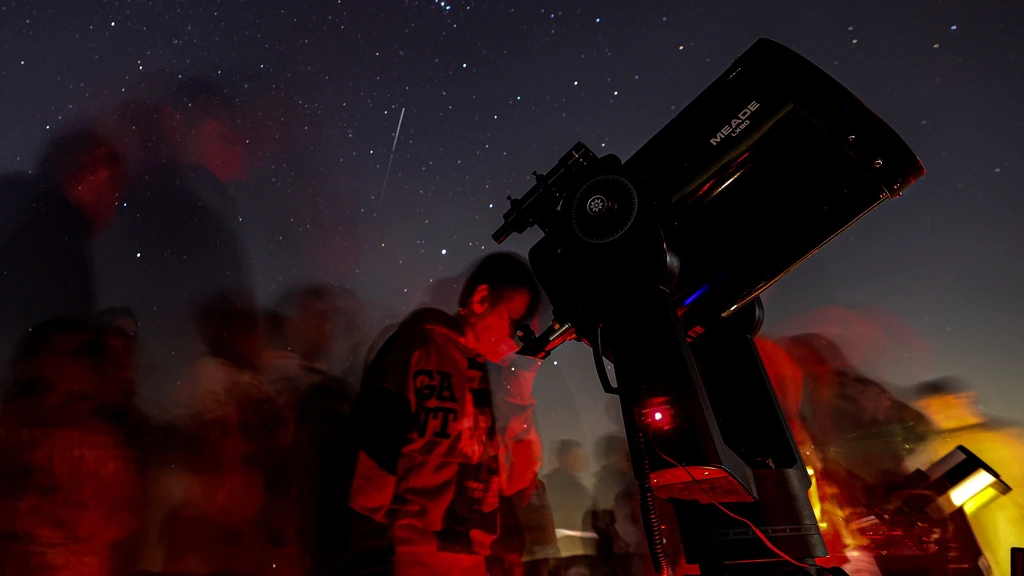
Asteroid Named After Amateur Researcher Astrid Eeuwes
The Rise of the ‘Pro-Am’ Astronomer: How Citizen Science is Mapping the Cosmos
For decades, the boundary between professional astrophysicists and backyard stargazers was a concrete wall. Professionals had the multi-million dollar observatories; amateurs had their telescopes and a lot of patience. Today, that wall has crumbled.
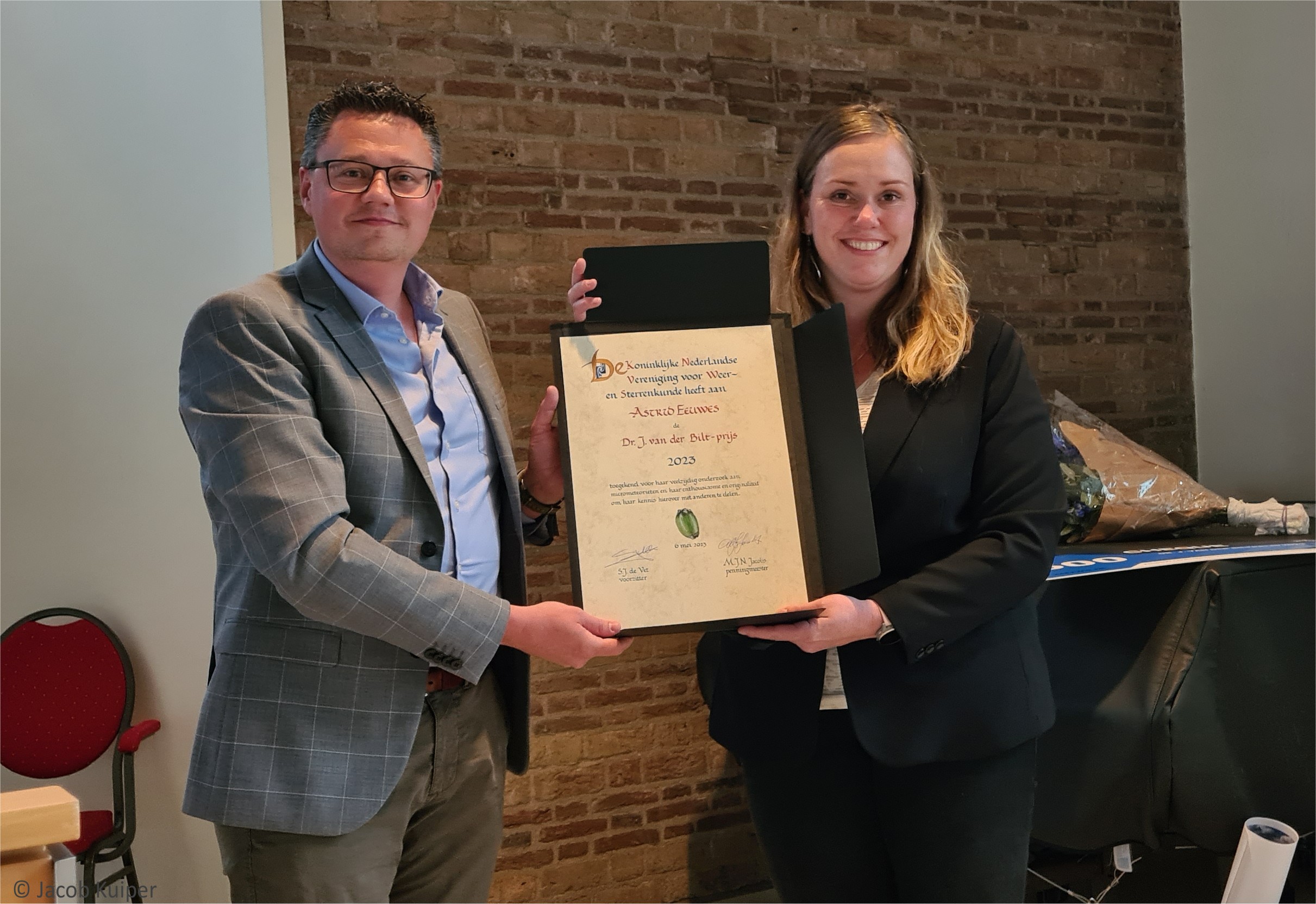
The recent naming of asteroid (585349) Eeuwes after Astrid Eeuwes, a dedicated amateur researcher, isn’t just a heartwarming human-interest story. It is a symptom of a larger trend: the “Pro-Am” revolution. We are entering an era where citizen scientists are no longer just assistants—they are essential contributors to planetary defense and cosmic discovery.
With the proliferation of high-resolution CMOS cameras and AI-driven image processing, amateur astronomers can now detect celestial anomalies that were once the sole province of NASA or the ESA. From discovering supernovae to tracking Near-Earth Objects (NEOs), the democratization of data is accelerating our understanding of the universe.
Decoding the Universe in a Grain of Sand
While many look to the stars, some of the most profound discoveries are happening right under our feet. The study of micrometeorites—tiny fragments of space dust that settle on rooftops and in soil—is becoming a frontier for understanding the early solar system.
These microscopic grains are essentially time capsules. They contain chemical signatures from the birth of our sun and the violent collisions of early protoplanets. By analysing this “cosmic grit,” researchers can determine the composition of distant asteroids without ever leaving Earth.
The future of this field lies in automated micro-analysis. We are seeing a trend toward using machine learning to scan thousands of dust particles per hour, identifying rare isotopes that could explain how water and organic molecules arrived on Earth.
Planetary Defense: The New Global Security Priority
The naming of asteroids is more than a gesture of honor; it is part of a rigorous cataloging effort. As we move forward, asteroid tracking will shift from a scientific curiosity to a critical component of global security.

The success of missions like NASA’s DART (Double Asteroid Redirection Test) has proven that we can physically alter the trajectory of a space rock. However, the “detection gap” remains a challenge. We cannot deflect what we cannot see.
Future trends suggest a hybrid network of space-based infrared telescopes and ground-based amateur networks. This “global eye” will be necessary to identify “city-killer” asteroids that may be hidden by the sun’s glare during the day.
The Economic Shift: From Tracking to Mining
Beyond defense, the industry is eyeing Asteroid Mining. Space rocks are rich in platinum-group metals and water ice, the latter of which can be converted into rocket fuel. This would create “gas stations in space,” enabling deeper exploration into the outer solar system.
Companies are already developing autonomous drones designed to latch onto small asteroids, similar in size to the 1.5km rock named after Eeuwes, to sample their mineral content. The transition from “observing” to “utilizing” space resources is no longer science fiction—it’s a business roadmap.
The Psychology of Cosmic Legacy
Why does naming an asteroid matter? In an age of digital transience, the desire for a permanent, physical legacy is stronger than ever. The International Astronomical Union (IAU) maintains strict guidelines to prevent the commercialization of space names, ensuring that these honors are reserved for scientific contribution or significant cultural impact.
This trend reflects a shift in how we view our place in the universe. We are moving from being passive observers of the night sky to active participants in its history. Whether it is through a volunteer position at a local observatory or a PhD in astrophysics, the drive to leave a mark on the cosmos is a universal human impulse.
Frequently Asked Questions
Not exactly. You cannot simply “buy” an asteroid name through legitimate channels. The IAU requires the discoverer to propose a name, usually based on a person’s contribution to science, society, or the arts.

Asteroids are primarily made of rock and metal, mostly found in the belt between Mars and Jupiter. Comets are composed of ice, dust, and rocky material, often originating from the outer reaches of the solar system.
Micrometeorite hunting often involves collecting dust from high-altitude surfaces (like gutters or rooftops) and using a strong magnet to separate metallic spheres from terrestrial debris. Always use a microscope for initial screening.
Ready to explore the final frontier?
Whether you’re a seasoned stargazer or just curious about the cosmos, there’s a place for you in the world of citizen science. Have you ever spotted something unusual in the night sky? Share your experience in the comments below or subscribe to our newsletter for more deep-dives into the future of space exploration!