
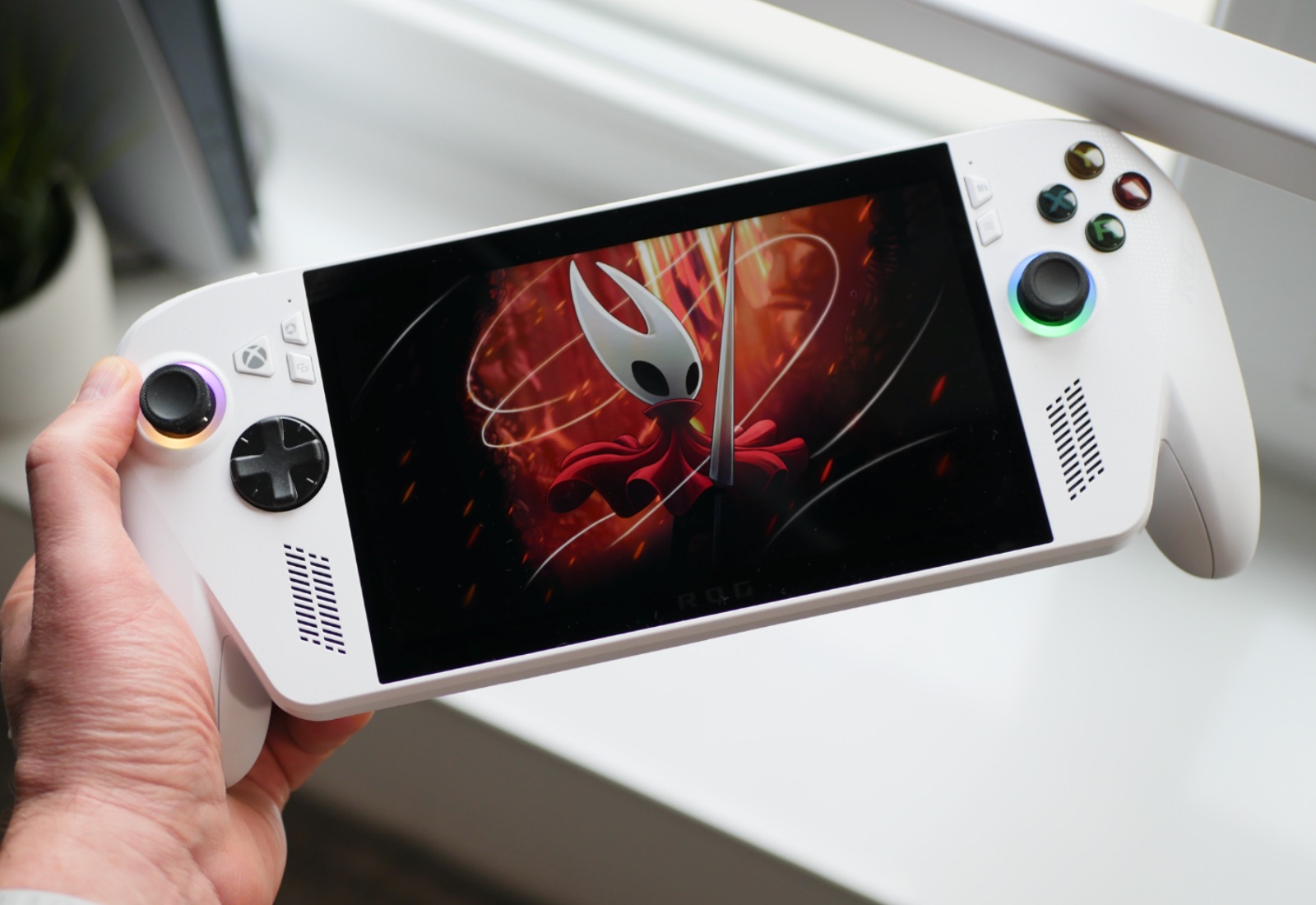
ASUS Rumored to Reveal Next-Gen ROG Ally Gaming Handheld at Computex
The Next Frontier of Portable Power: What’s Coming for Gaming Handhelds
The gaming handheld market is no longer just about the Steam Deck. We are entering an era of “PC-in-your-pocket” sophistication where the battle isn’t just about who has the fastest chip, but who can balance power, heat, and battery life without making the device feel like a brick in your hands.
Recent whispers from industry insiders and leaks surrounding ASUS suggest a “Next-Gen Handheld” is on the horizon. But to understand where we are going, we have to look at the architectural shifts happening behind the scenes at companies like Intel and AMD.
The Silicon Shift: Intel Panther Lake and the AI Edge
For a long time, the handheld market was dominated by AMD’s Z1 Extreme. However, the tide is turning. Intel is preparing to shake things up with the Core Ultra Series 3 (Panther Lake) and the Arc G3 graphics architecture.
This isn’t just about higher clock speeds. The real game-changer is the integration of dedicated NPUs (Neural Processing Units). In a handheld, AI isn’t just for chatbots; it’s for efficiency. We are looking at AI-driven power management that can shift resources in real-time to ensure your frame rates stay stable while your battery doesn’t plummet in thirty minutes.
The MSI Claw 8 EX AI is expected to be a primary showcase for this technology. By leveraging AI upscaling (similar to DLSS or FSR), these devices can render games at a lower resolution and upscale them intelligently, providing a “4K feel” on a 7-inch screen without melting the internal components.
Beyond Raw Specs: The Battle for User Experience
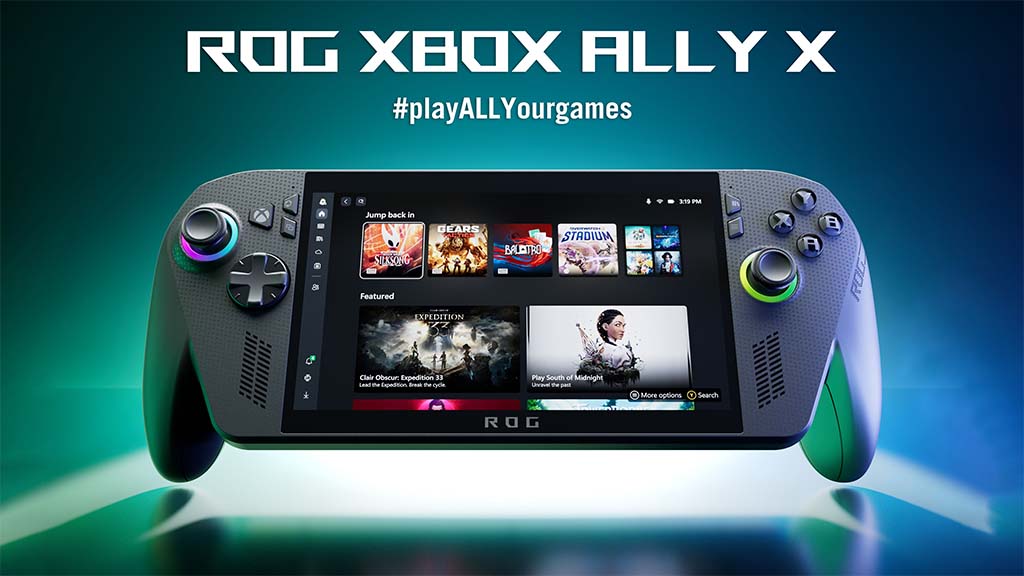
If you’ve ever tried to navigate a Windows 11 start menu with a thumbstick, you know the biggest hurdle for devices like the ASUS ROG Ally isn’t the hardware—it’s the software.
The “Next-Gen” wave will likely focus on three critical pillars of UX:
- Thermal Management: Moving beyond simple fans to more advanced vapor chambers to prevent “thermal throttling” during intense AAA sessions.
- Battery Density: The industry is moving toward larger, high-density cells. We are seeing a trend where 80Wh batteries are becoming the new gold standard for “pro” handhelds.
- OS Optimization: Whether it’s a more streamlined version of Windows or a proprietary overlay, the goal is to make the handheld feel like a console, not a tablet with controllers attached.
The Ecosystem War: Windows vs. SteamOS vs. The World
The tension between Valve’s curated SteamOS experience and the open-ended nature of Windows is the defining conflict of this hardware generation. While Windows allows you to install any launcher (Game Pass, Epic, Ubisoft), it is bloated. Valve’s approach is seamless but restrictive.
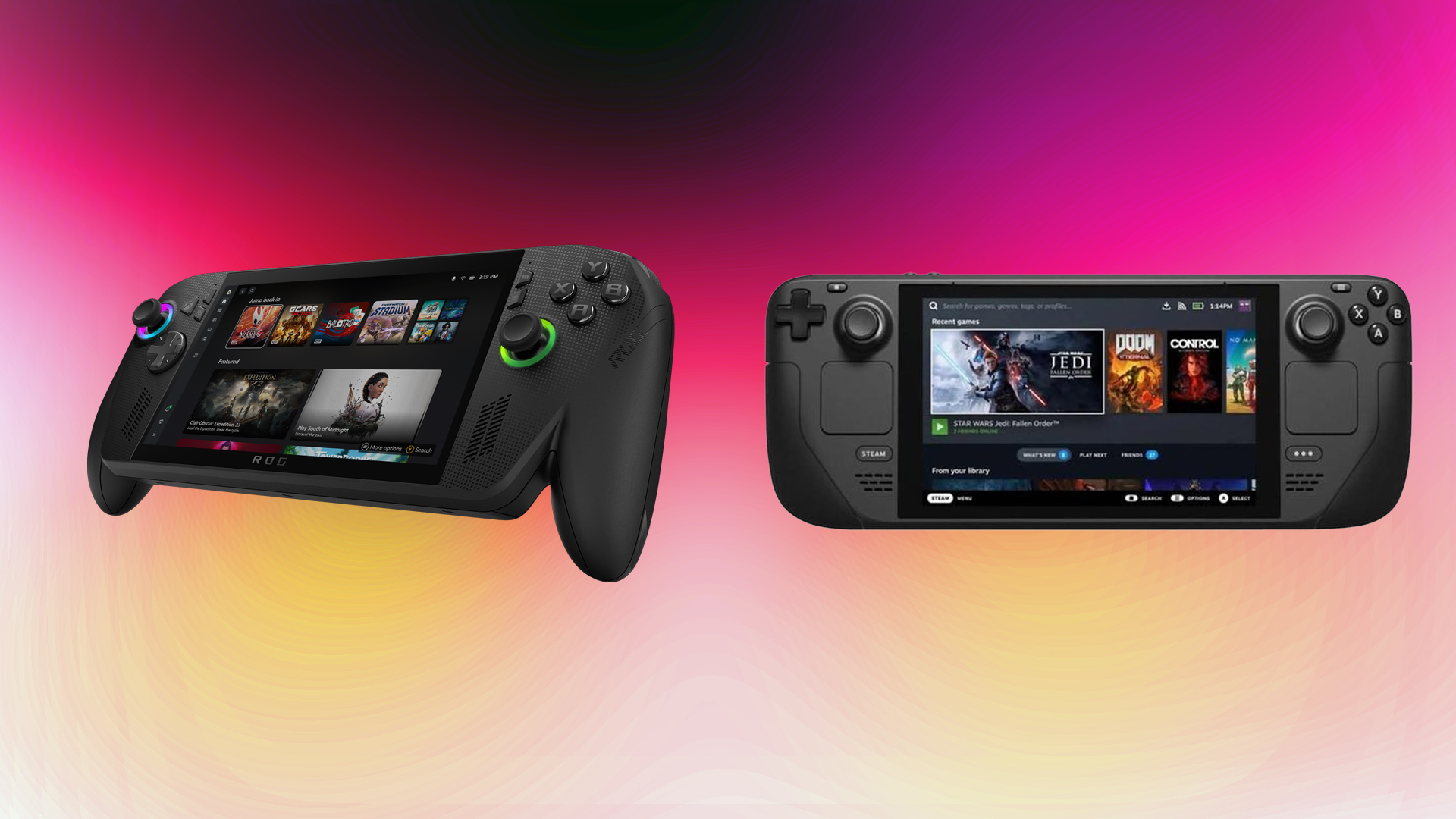
Future trends suggest a “hybrid” approach. We may see more manufacturers collaborating with Microsoft to create a “Gaming Mode” for Windows that strips away the desktop environment entirely, mimicking the console-like experience that has made the Steam Deck a cult classic.
For more insights on how portable hardware is evolving, check out our deep dive into the evolution of mobile GPUs.
Frequently Asked Questions
Q: Should I buy a current handheld or wait for the next generation?
A: If you need a device now, the current “X” revisions are excellent. However, if you prioritize battery life and AI-driven performance (upscaling), waiting for the Intel Panther Lake-based devices is a smart move.
Q: Will next-gen handhelds be able to play “AAA” games at high settings?
A: Not at native resolution. The trend is moving toward “Intelligent Upscaling.” You’ll likely play at 720p or 1080p, but AI will make it look like 1440p, maintaining 60 FPS without draining the battery instantly.
Q: Is the MSI Claw a viable competitor to the ROG Ally?
A: The first generation was a mixed bag, but the “8 EX AI” version aims to fix the battery and efficiency issues. It will be a strong competitor if Intel’s new Arc graphics deliver on their promises.
What do you value most in a handheld? Is it the library of games, the battery life, or the screen quality? Let us know in the comments below, or subscribe to our newsletter for the latest leaks on the next generation of gaming gear!