
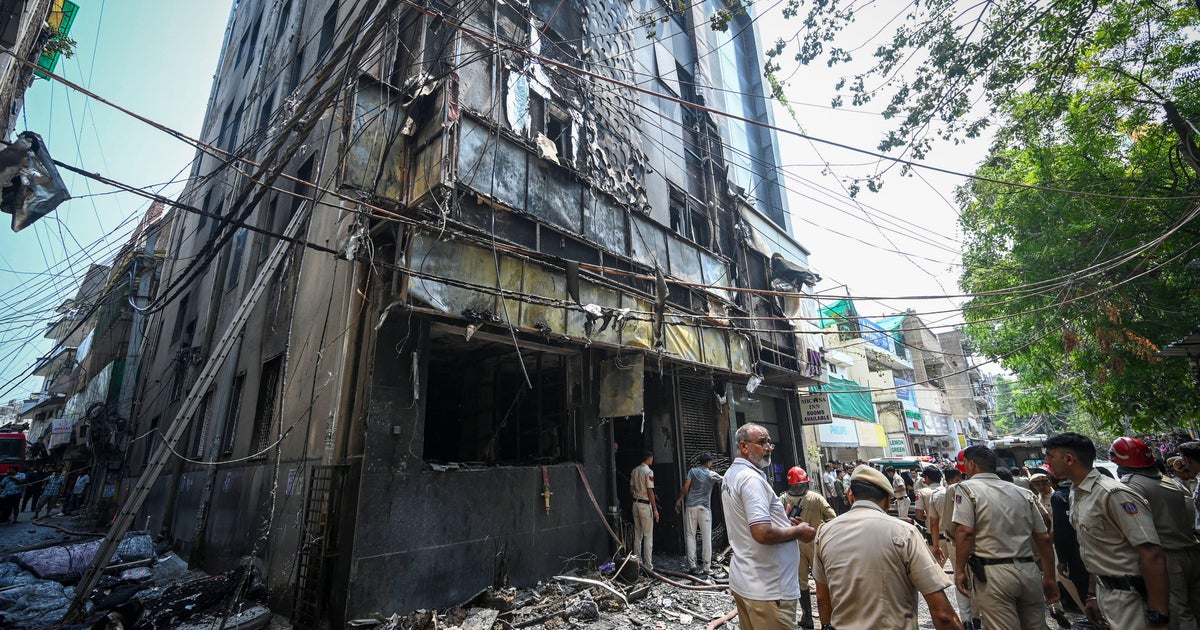
At Least 21 Killed in Massive Hotel Fire in New Delhi
The Dangerous Gap Between Medical Tourism Growth and Urban Safety
For decades, cities like New Delhi, Bangkok and Istanbul have branded themselves as global hubs for medical tourism. The draw is simple: world-class healthcare at a fraction of the cost found in the West. However, as the volume of international patients surges, a critical blind spot has emerged—the safety of the “shadow infrastructure” that supports these patients.
When patients travel for surgery or long-term treatment, they rarely stay in the hospitals themselves. Instead, they rely on nearby budget hotels, and guesthouses. This creates a precarious ecosystem where high-tech medical facilities exist mere yards away from aging buildings with outdated wiring and nonexistent fire safety protocols.
Moving Beyond ‘Paper Compliance’ in Urban Hospitality
One of the most recurring themes in urban tragedies is the “valid certificate” paradox. In many rapidly developing cities, building owners treat fire safety certificates as bureaucratic hurdles to be cleared through paperwork rather than operational mandates to be maintained.
The trend is now shifting toward active compliance. We are seeing a move away from annual inspections toward real-time monitoring. The future of urban safety lies in the integration of IoT (Internet of Things) sensors that can alert municipal authorities the moment a smoke detector is disabled or a fire exit is blocked.
Industry experts argue that “spot checks” are no longer sufficient. For cities to maintain their reputation as safe destinations for foreign nationals, they must implement digital twins of building safety systems, allowing regulators to monitor compliance remotely and in real-time.
The Role of RegTech in Preventing Catastrophes
Regulatory Technology (RegTech) is beginning to penetrate the hospitality sector. By using blockchain for safety certifications, governments can ensure that permits are not forged and that maintenance logs are immutable. This removes the human element of corruption and negligence that often leads to “culpable homicide” charges after a disaster.
The Rise of ‘Medical Hospitality’ Standards
We are witnessing the birth of a new niche: Medical Hospitality. This isn’t just about providing a bed; it’s about creating a standardized safety corridor between the hospital and the hotel.
Future trends suggest that major healthcare providers will begin “certifying” the hotels they recommend to international patients. Imagine a world where a hospital only refers patients to accommodations that meet a specific Medical Guest Safety Standard, including:
- Automated sprinkler systems and verified fire escapes.
- Accessibility features for post-operative patients.
- 24/7 medical emergency response integration with the nearby clinic.
- Strict adherence to electrical load limits to prevent short-circuit fires.
By linking the hospital’s reputation to the hotel’s safety, the incentive for building owners to upgrade their infrastructure increases exponentially.
The Economic Cost of Negligence
The fallout of urban fires in medical hubs extends beyond the tragic loss of life; it threatens the economic engine of medical tourism. When foreign nationals are killed due to systemic negligence, it triggers international diplomatic tensions and damages the “Brand India” or “Brand Thailand” image.
Data shows that a single high-profile tragedy can lead to a temporary dip in patient arrivals from specific regions. To counter this, governments are likely to move toward more aggressive enforcement, including heavy fines and the immediate sealing of non-compliant properties, rather than offering post-tragedy relief payments.
For more insights on urban development and safety, check out our guide on Modern Urban Planning Trends or visit the National Fire Protection Association (NFPA) for global safety standards.
Frequently Asked Questions
Why are budget hotels more prone to fires in medical hubs?
Many of these hotels are converted residential buildings that weren’t designed for commercial occupancy. They often suffer from overloaded electrical circuits and lack professional fire suppression systems.
What is ‘Medical Tourism’ and why is it risky?
Medical tourism involves traveling to another country for medical treatment. The risk often lies not in the medical procedure itself, but in the unregulated hospitality infrastructure surrounding the healthcare facility.
How can cities prevent these tragedies in the future?
Through the adoption of RegTech, mandatory digital safety monitoring, and creating a formal partnership between hospitals and accredited hotels to ensure a safety continuum for patients.
Join the Conversation
Do you think hospitals should be held responsible for the safety of the hotels they recommend to patients? Or is this solely a government regulatory failure?
Share your thoughts in the comments below or subscribe to our newsletter for more deep dives into urban safety and global health.