
Audiences Love Human-Made Music, But AI Can Enhance It
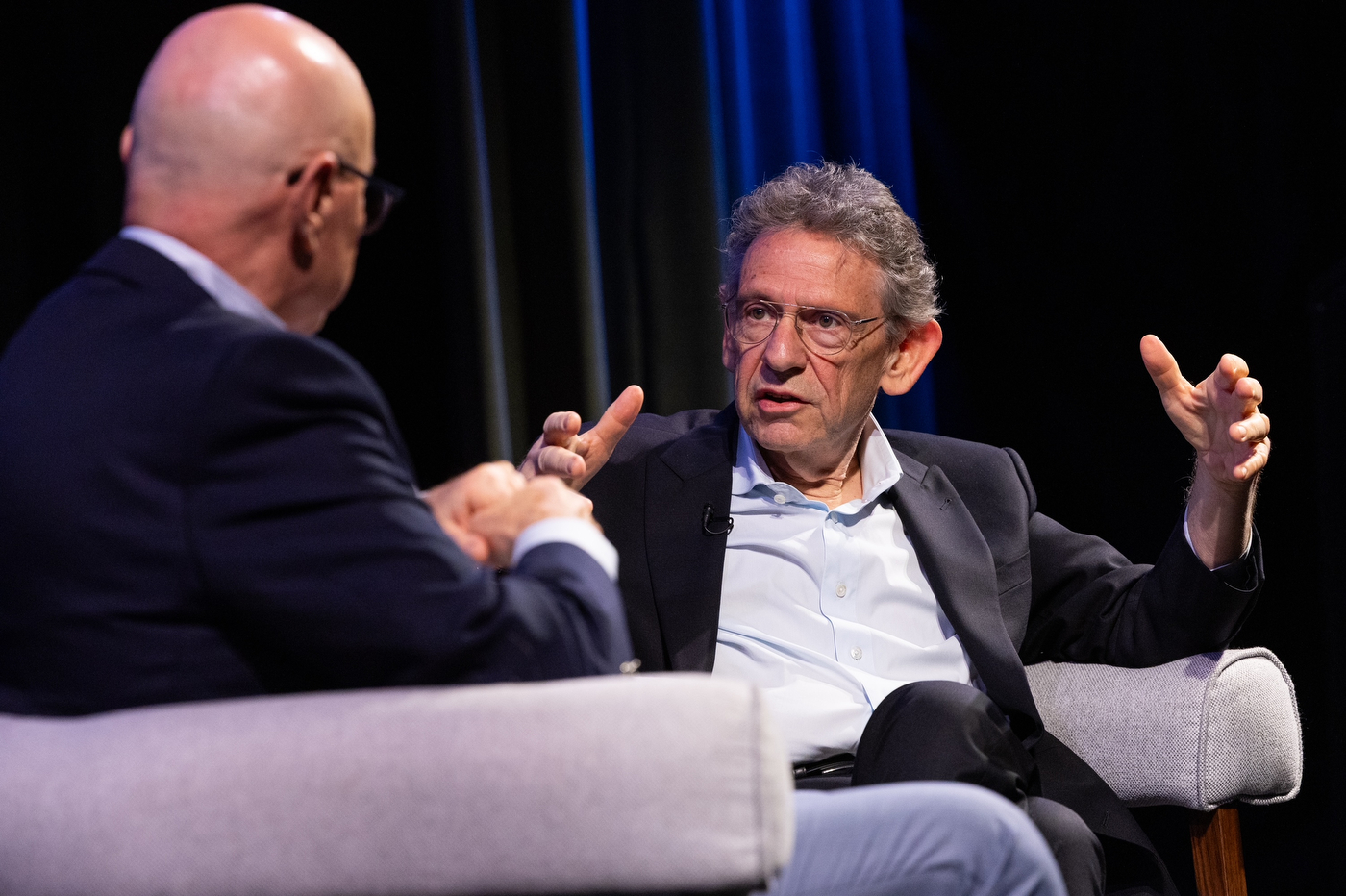
Sir Lucian Grainge, the Chairman and CEO of Universal Music Group (UMG), has asserted that while artificial intelligence possesses the power to enrich the musical experience, the core of music must remain rooted in the creative human mind. Speaking at the 2026 Northeastern Global Leadership Summit in London, Grainge emphasized that audiences remain deeply fascinated by human imagination and authenticity.
Augmenting the Human Heart of Music
During his keynote address at the British Academy of Film and Television Arts, Grainge argued that AI should be used to augment rather than replace the human element of songwriting. He described the technology as a tool that can harness and expand the beauty of an individual’s creativity.

As part of this vision, UMG has entered a partnership with Spotify to launch an AI-enabled “superfan” initiative. This deal allows a specific tier of premium users to create remixes and covers of songs, provided the participating artists opt in.
Grainge described this as a move toward “hyperpersonalization,” allowing fans to remix their relationship with music within a “walled garden.” This technology could allow subscribers to harmonize backing vocals with girl-groups, create reggae versions of pop releases, or play guitar along with rock classics.
A Legacy of Navigating Disruption
Grainge’s approach to AI is informed by a career that has spanned multiple technological shifts, from the era of cassettes to the rise of streaming. Having joined Universal Music in 1986 and becoming CEO in 2011, he later led the takeover of the British record company EMI in 2012.

Throughout his career, Grainge has worked with global icons including The Rolling Stones, Rihanna, Elton John, The Weeknd, Amy Winehouse, and Migos. He is noted for betting against industry pessimism during the collapse of physical sales.
The results of this strategy are evident in recent industry data. According to the International Federation of the Phonographic Industry, global revenues passed $30 billion for the first time in 2025, following 11 consecutive years of growth since 2014.
The Future of Responsible AI
Grainge compared the current anxiety surrounding AI to the introduction of electronic synthesizers, which many feared would eliminate the need for concert halls and musicians—a fear that did not materialize. He also cited the impact of sampling, which enabled the success of acts such as Depeche Mode, Human League, and Soft Cell.
Looking forward, generative tools may serve as a “stress tester” for creativity. Grainge suggested that AI could help blocked writers finish a chorus, develop a middle eight, or refine lyrics to help them be the “best of yourself on your best day.”
If adopted responsibly, these technologies may accelerate the creative process and provide new avenues for artists to engage with their most dedicated fans.
Frequently Asked Questions

What is the UMG and Spotify “superfan” initiative? It is an AI-enabled deal that allows certain premium Spotify users to create covers and remixes of songs by artists who have opted into the programme. What are the current financial trends in the global music industry? The industry has seen 11 consecutive years of growth since 2014, with global revenues exceeding $30 billion in 2025, largely driven by paid streaming services. How does Sir Lucian Grainge believe AI can help songwriters? He believes AI can act as a tool to help artists overcome creative blocks, specifically assisting with lyrics, choruses, or the middle eight of a song. Do you believe AI will ultimately enhance human creativity in music, or will it diminish the value of authenticity?