
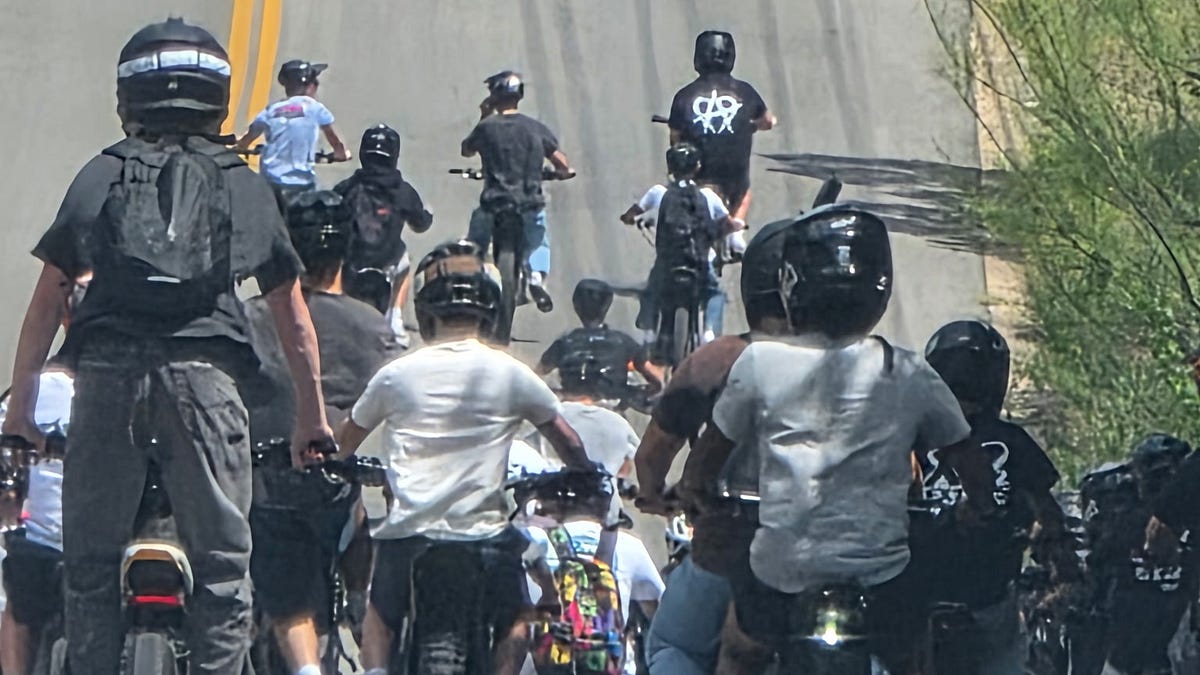
Austin Cracks Down on Illegal Mini-Motorcycles
Austin city officials and law enforcement are moving to address the increasing presence of mini-motorcycles, often referred to as “e-motos,” on public roadways. The surge in these vehicles has led to safety concerns and calls for clearer local regulations.
Defining the Regulatory Gap
A primary challenge for the city is the distinction between e-bikes and mini-motorcycles. According to Marc Duchen, Austin City Council representative for District 10, e-bikes are permitted if they have fully operational pedals, motors under 750 watts, and top speeds of 28 miles per hour.
Mini-motorcycles, which lack pedals and can exceed 28 MPH, do not meet these standards. Under current rules, these vehicles must be registered and insured before they are driven in public.
Legislative Action and Enforcement
Paige Ellis, the City Council representative for District 8, reports a “consistent drumbeat” of complaints from both constituents and the Austin Police Department (APD). Ellis noted that the core issue is a lack of local code governing the operation of e-motos.
To close this gap, Ellis has introduced an agenda item focusing on four specific areas. These include updated regulations and enforcement, APD officer training for consistency, a public awareness campaign, and a feasibility study for designated recreational facilities.
Councilmember Duchen is co-sponsoring the resolution and has requested directed patrols in areas where residents have reported issues. Meanwhile, the APD has warned riders of an upcoming crackdown and is launching an education campaign to clarify the difference between e-bikes and e-motos.
Legal Implications and Future Outlook
Despite the lack of a specific local code, mini-motorcycles remain subject to state laws when operated on public roads. This includes licensing requirements, meaning unlicensed operation is illegal regardless of the vehicle’s size.
The effectiveness of these new measures remains to be seen. Future outcomes could depend on whether new regulations and police enforcement can make a significant dent in the current trend.
Some observers suggest the issue may persist until a tragedy occurs, though city leaders are currently attempting to implement preventative safety measures.
Frequently Asked Questions
What is the difference between an e-bike and a mini-motorcycle in Austin?
E-bikes have fully operational pedals, motors less powerful than 750 watts, and top speeds of 28 mph. Mini-motorcycles have no pedals and can travel over 28 mph.
Are mini-motorcycles legal on public roads?
They are subject to state laws, which include requirements for registration, insurance, and licensing.
What is the city proposing to solve the problem?
Proposed solutions include updating the local code, training APD officers, launching public awareness campaigns, and studying the feasibility of designated recreational facilities.
How should cities balance the rise of new personal electric vehicles with public road safety?