
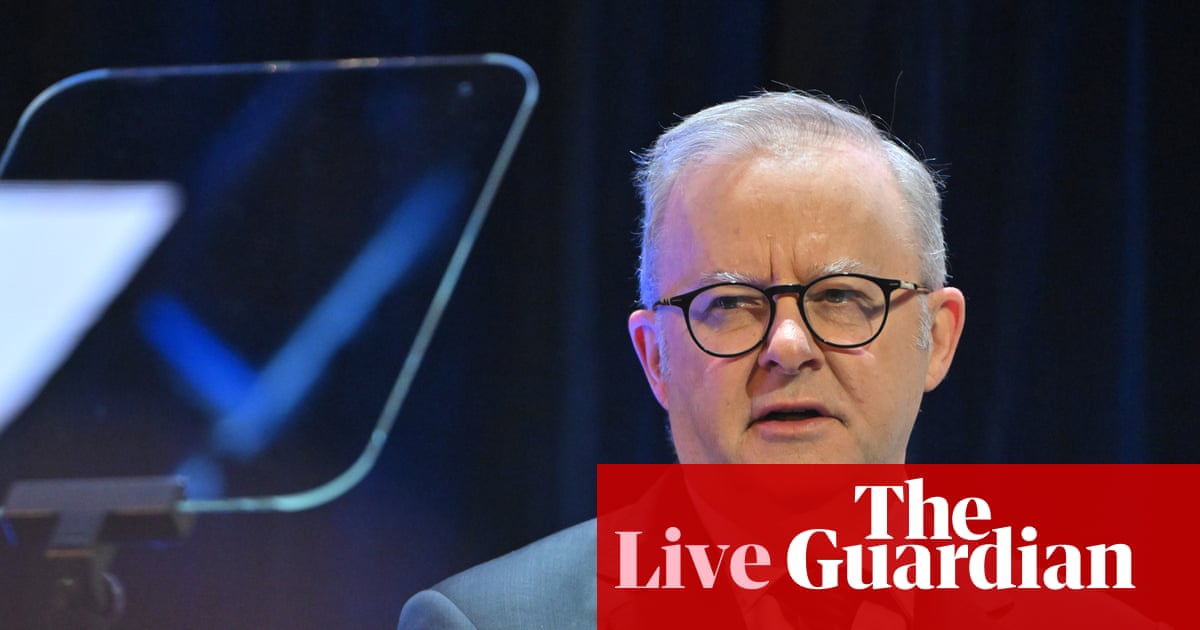
Australia Politics Live: PM Warns Against Extreme Voices in Stefanovic Case
Prime Minister Anthony Albanese has warned that straying from mainstream political debate can lead to significant professional consequences, citing the apparent ouster of Karl Stefanovic from Nine Entertainment. This tension reflects a broader Australian shift where the government is tightening the boundaries of “mainstream” discourse while simultaneously reforming national security laws and institutional funding models.
Why is the boundary of “mainstream” debate becoming a flashpoint for Australian media?
The tension centers on where journalistic inquiry ends and the endorsement of extreme views begins. Prime Minister Anthony Albanese stated at a Committee for Economic Development of Australia event on Thursday that personalities who move “further and further out on the edges of what is mainstream political debate” face tangible impacts.
This follows reports that Nine Entertainment is expected to cut ties with Karl Stefanovic. According to reports, the move comes after Stefanovic interviewed and “embraced” UK far-right activist Tommy Robinson on his podcast. Robinson, who co-founded the English Defence League, has convictions for mortgage fraud and contempt of court, and was jailed in October 2024.
While the Prime Minister’s comments highlight the risks of fringe associations, other political movements are attempting to build a new center. Allegra Spender and Zali Steggall, launching the “Community Strong” party, explicitly stated they want to avoid “importing culture wars from the US.” Spender told reporters in Canberra that the goal is to find common ground rather than fuel division.
How do Temporary Exclusion Orders affect the right of return for Australian citizens?
Temporary Exclusion Orders (TEOs) serve as a legal “backup mechanism” to prevent individuals from returning to Australia, according to former home affairs secretary Mike Pezzullo. Pezzullo told Sky News that TEOs were created by the former Coalition government after the High Court struck down several attempts to strip dual citizens of their citizenship following terrorism offenses.
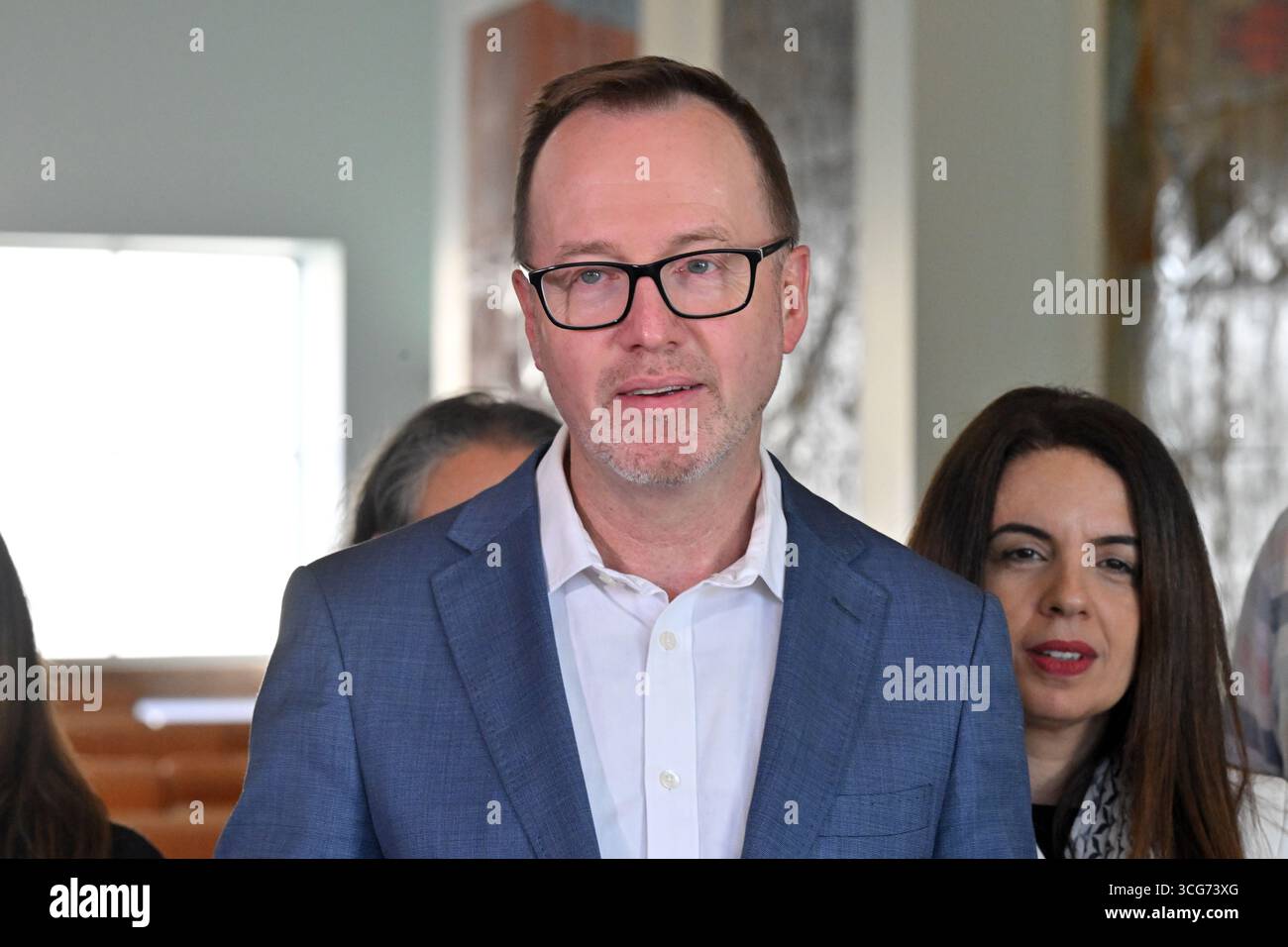
The application of these orders is currently a point of contention between the government and the Greens. Minister Tony Burke recently revealed that a woman linked to Islamic State, previously subject to a TEO in a Syrian detention camp, was granted a return permit. Greens senator David Shoebridge argued on Sky News that the right to return is a “fundamental” right of all Australian citizens, regardless of their actions.
Pezzullo questioned how individuals under such scrutiny managed to obtain Australian passports in the first place, noting that the Passports Act requires the minister to be satisfied that a person does not pose a risk to the community.
What changes are coming to university funding and NDIS oversight?
The federal government is shifting toward a “managed growth” system for higher education. Education Minister Jason Clare introduced legislation to reform how student places and funding are allocated, specifically targeting needs-based funding for rural, regional, and low-socioeconomic students.
Clare told ABC News Breakfast that while 50% of Australians in their 30s hold a degree, that number is significantly lower in Western Sydney and regional areas. However, this shift has created friction. Some Sydney-based universities have raised concerns that funding and student places will be diverted away from cities to regional hubs.
The NDIS Inquiry Conflict
Similar tensions exist regarding the National Disability Insurance Scheme (NDIS). Shadow NDIS minister Melissa McIntosh has criticized a deal between Labor and the Greens to extend the NDIS inquiry until mid-August as a “political stitch-up.”
According to McIntosh, the government is ignoring “criminals in the scheme” while focusing on reforms that leave people with profound disabilities fearing for their lives. She further alleged that while 4,000 people made submissions, only a few hundred were initially loaded onto the government website.
How are third-party groups influencing the Australian electoral process?
Parliamentary committees are taking “extraordinary steps” to investigate the influence of non-party entities in elections. A joint parliamentary committee into electoral matters has moved to summon the right-wing lobby group Advance and the Plymouth Brethren Christian church for public hearings.
The committee stated in a media release that both groups declined voluntary invitations to appear in November 2025, March, and May 2026. The committee cited “community concern” regarding their involvement in the 2025 federal election as the primary driver for the summons.
This move toward transparency comes as the Senate faces a grueling schedule. Senators are currently debating government tax changes to capital gains tax (CGT) and negative gearing, with the opposition attempting to force the government to index tax brackets to stop “bracket creep.”
Comparing the “Right of Return” Perspectives
| Perspective | Core Argument | Primary Source |
|---|---|---|
| Security/Administrative | TEOs are necessary backups when citizenship cessation fails. | Mike Pezzullo |
| Human Rights | Citizens have a fundamental right to return to their own country. | David Shoebridge |
Frequently Asked Questions
What is a Temporary Exclusion Order (TEO)?
A TEO is a legal mechanism used by the Australian government to prevent a person—often a dual citizen convicted of terrorism-related offenses—from returning to Australia.
Why was Karl Stefanovic’s position at Nine questioned?
According to reports, his interview with far-right activist Tommy Robinson was viewed as straying too far from mainstream debate, leading to an expected severance of ties by Nine Entertainment.
How will the “managed growth” university system work?
The system, introduced by Jason Clare, will use the Australian Tertiary Education Commission to allocate student places based on need, specifically increasing access for regional and low-SES students.
What do you think about the boundary between journalistic freedom and “extreme” voices in the media? Let us know in the comments below or subscribe to our newsletter for more political analysis.