
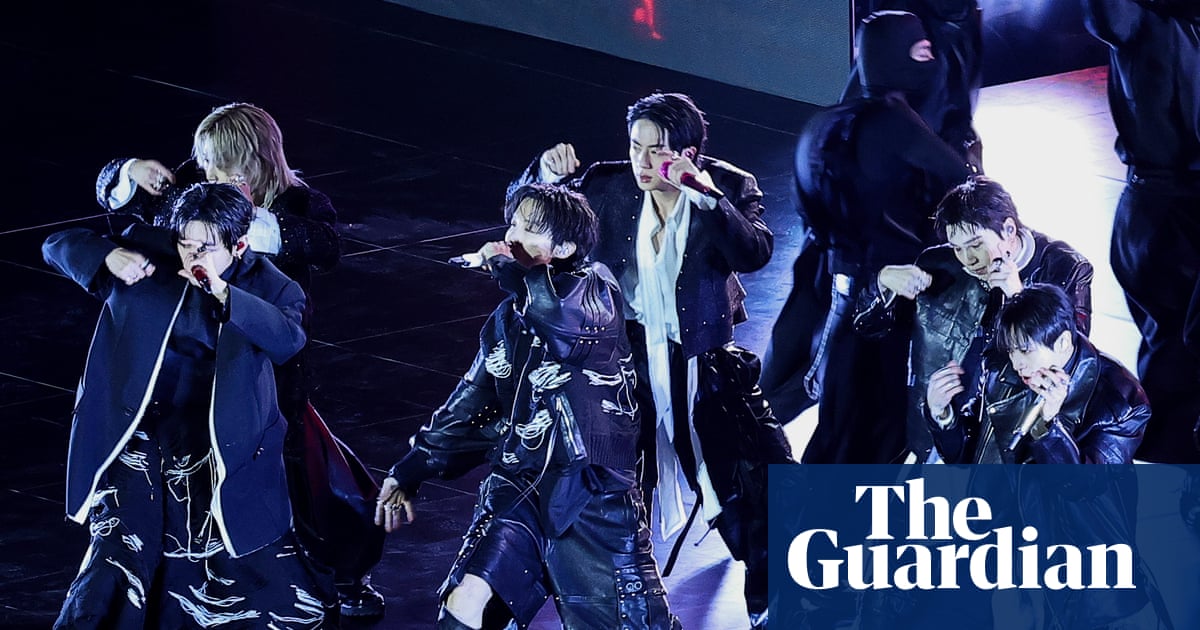
Australian BTS fans blast Ticketmaster’s ‘predatory’ tactic of hiding price until tickets go on sale | BTS
Australian fans of global K-pop icons BTS are mounting a significant pushback against Ticketmaster, labeling the ticketing giant’s sales strategy for the group’s upcoming 2027 comeback tour as “predatory” and “manipulative.” With concerts scheduled for February 2027 at Melbourne’s Marvel Stadium and Sydney’s Accor Stadium, anticipation is at an all-time high, yet the lack of transparent pricing information has ignited a firestorm of consumer concern.
Ticketmaster Australia has confirmed that ticket prices will only be revealed once the virtual “Waiting Room” opens, asserting that costs will remain fixed once the presale and general sale begin. However, fans—known collectively as the BTS Army—are already being asked to pay for membership on the Weverse app to access presale opportunities, all while navigating a complete lack of seating maps or price ranges.
The Case for Transparency
The Consumer Policy Research Centre (CPRC) has joined the chorus of criticism, with chief executive Erin Turner describing the current sales model as “deeply unfair.” The primary concern is that fans are being forced into a high-pressure, time-sensitive sales funnel without the ability to make informed financial decisions. The CPRC warns that without pre-disclosed pricing, there is no barrier preventing the platform from implementing variable pricing models that could leave fans paying more than necessary.

Social media platforms have become hubs for organized dissent, with fans comparing the Australian experience unfavorably to international markets where pricing was released in advance. Fan group BTS Australia has explicitly questioned why Australian dates have been denied the same information provided for the tour’s Asian leg, arguing that the current approach ignores the financial strain many fans face during the ongoing cost-of-living crisis.
Regulatory Scrutiny and Future Implications
As fans mobilize to lodge formal complaints with the Australian Competition and Consumer Commission (ACCC), the regulatory environment remains complex. The ACCC has noted that while it does not generally comment on individual complaints, Australian Consumer Law requires businesses to avoid misleading or deceptive conduct regarding prices. However, current regulations do not mandate that businesses disclose pricing for a specific period before an event goes on sale.
Looking ahead, the landscape for digital ticket sales could shift significantly. The federal government has introduced a bill targeting “dark patterns”—manipulative online environments that distort consumer decision-making. Should this legislation pass, it may provide more robust protections against the high-pressure tactics currently being criticized by the BTS Army. However, because these new laws are not expected to take effect until 1 July next year, they may arrive too late to impact the specific strategies employed for the 2027 BTS tour.
Frequently Asked Questions
Why are fans calling Ticketmaster’s tactics “predatory”?
Fans argue that by withholding pricing and seating maps until they are already in a high-pressure digital queue, Ticketmaster forces them to make significant financial decisions under a strict time limit without sufficient information.
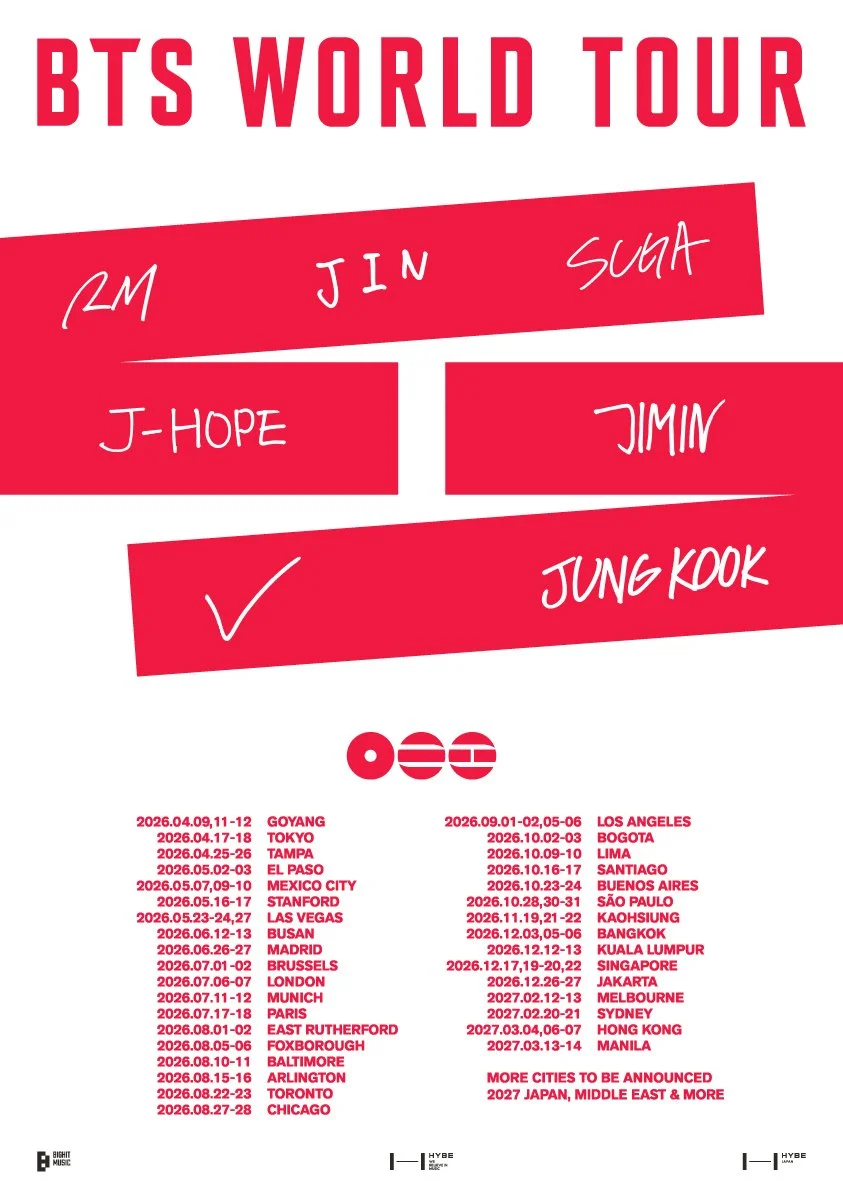+-+Australian+Tour+2027.jpg?format=2500w "BTS 2027 tour")
What is the role of the ACCC in this situation?
The ACCC is the consumer watchdog that handles complaints regarding unfair trading. While they monitor compliance with Australian Consumer Law, they have stated that businesses are not currently required to announce prices for events well in advance of the sale date.
What happens if the government’s new bill regarding “dark patterns” passes?
The proposed legislation aims to curb manipulative online environments that create artificial urgency. If passed, these laws would not take effect until 1 July next year, potentially changing how ticketing platforms are allowed to manage high-pressure sales environments in the future.
How much weight should consumer convenience carry when compared to the logistical demands of a global stadium tour?