

Australia’s Social Media Ban: Why It Struggles to Protect Youth
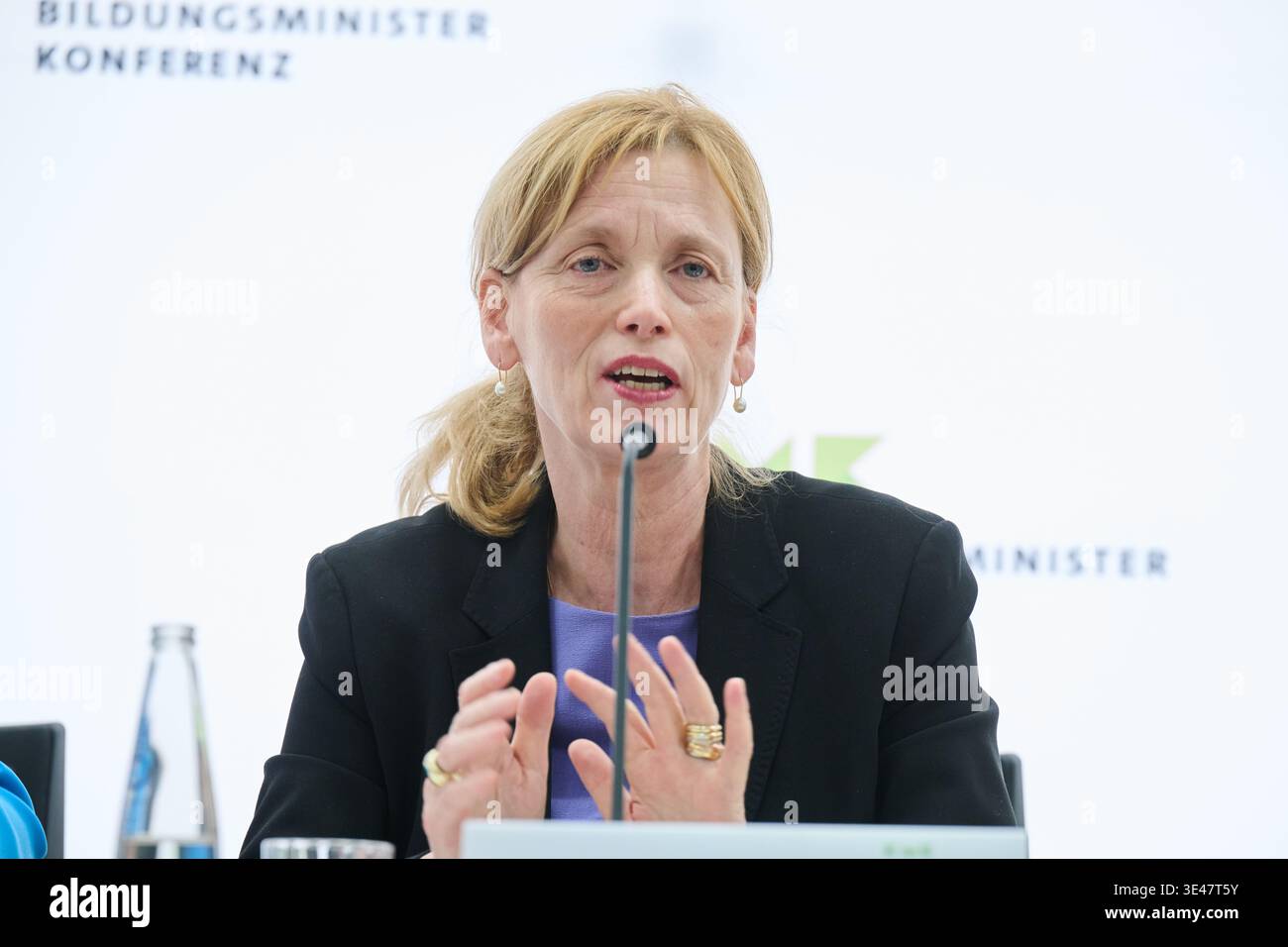
Australia’s recent attempt to restrict social media access for users under 16 has failed to significantly reduce usage, with over 85 percent of adolescents still maintaining active accounts three months post-implementation, according to a study published in the British Medical Journal. While policymakers worldwide, including German Education Minister Karin Prien, have cited the Australian model as a blueprint for youth protection, early data suggests that legislative bans face significant hurdles in enforcement and efficacy.
Why are social media bans failing to curb youth usage?
The primary barrier to effective regulation is the ease with which minors bypass digital restrictions. According to IT security researcher Tibor Jager of the University of Wuppertal, teenagers frequently utilize VPNs, shared accounts from older siblings, or other digital workarounds to maintain access. Victoria Baines, a prominent IT expert, notes that the reported 85 percent usage rate does not necessarily represent a massive failure of the law, as it does not account for the baseline population of users before the regulation existed. The gap between political intent and technical reality remains wide, as platforms have been criticized by the Australian eSafety Commissioner for “half-hearted” and ineffective enforcement of age-verification protocols.
A study involving 400 adolescents in New South Wales found that despite the legislative ban, daily social media consumption among those under 16 remained constant at two-and-a-half to four hours per day.
How does the focus on “usage time” distort the debate?
Experts argue that current studies may be measuring the wrong metrics. Annabell Halfmann, a communication scientist at the University of Mannheim, suggests that policymakers often conflate different goals: reducing screen time, minimizing exposure to harmful content, and improving mental health. The British Medical Journal study focused exclusively on account activity, leaving the actual impact on adolescent well-being—such as sleep quality, self-harm, and psychological health—unmeasured. Dennis Ougrin, a professor of child and adolescent psychiatry at Queen Mary University of London, emphasizes that while the data serves as a “real-life check” for politicians, it lacks the depth required to conclude that the legislation has failed in its broader protective mission.
What are the risks of pushing youth toward unregulated platforms?
Legislating age limits may inadvertently drive teenagers into darker, less visible corners of the internet. Tibor Jager warns that if mainstream platforms successfully implement rigid age verification, adolescents are likely to migrate to unregulated or dark-web spaces that lack basic safety features. This migration could leave youth more vulnerable to exploitation, as these platforms do not adhere to standard content moderation or safety policies. Psychologists, including Isabel Brandhorst from the University Hospital Tübingen, argue that true protection requires a multifaceted approach that moves beyond simple bans and addresses the underlying nature of platform design, such as addictive algorithms and cyberbullying mechanisms.
Comparison: Policy Goals vs. Real-World Outcomes
| Metric | Political Goal | Observed Outcome |
|---|---|---|
| Account Access | Zero access | 85%+ retain access |
| Daily Usage | Significant reduction | Unchanged (2.5–4 hours) |
Frequently Asked Questions
Is the Australian study definitive?
No. Experts like Isabel Brandhorst note that the study’s small sample size of 400 participants from a single region limits its broader applicability.
Are platforms complying with the law?
The Australian eSafety Commissioner reported in early 2026 that platform implementation of these restrictions has been largely ineffective.
Can technology alone protect minors?
Most experts, including Tibor Jager, believe technical solutions are insufficient and that a combination of corporate responsibility, education, and societal change is necessary.
What are your thoughts on age-based social media restrictions? Join the conversation in the comments below or subscribe to our newsletter for more updates on digital policy and youth mental health.