

Bad Bunny, JLo e Bruno Mars: Porto Rico è l’America
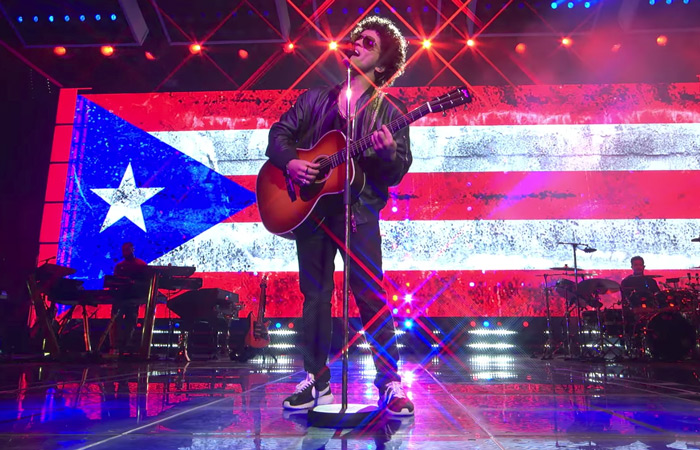
Puerto Rican artists and music have transitioned from niche regional styles to global dominance, as evidenced by record-breaking streaming numbers and a significant footprint in international entertainment. According to data from Spotify, the global music landscape is shifting away from English-language hegemony, with non-English tracks appearing in the Global Top 50 at double the rate seen in 2020. This trend is anchored by Puerto Rican stars like Bad Bunny, who was the most-streamed artist in the world, and supported by a robust local infrastructure of studios, independent labels, and government-backed fiscal incentives.
The Evolution of Puerto Rican Cultural Influence
The rise of modern Puerto Rican music is built on a foundation of artistic contributions that have shaped American culture for over a century. Figures such as José Ferrer, the first Hispanic actor to win an Oscar, and EGOT-winner Rita Moreno established a path for later performers. According to Billboard, the island’s influence is now supported by an industry that generates two billion dollars annually and employs thirty thousand people. This growth is bolstered by the 2012 Ley 20, which provided tax incentives for local companies, resulting in 210 million dollars of additional tax revenue by 2019.

Did You Know? Puerto Rico has been a U.S. territory since 1898 following an invasion by Admiral William Thomas Sampson’s troops, and while residents are U.S. citizens since 1917, they do not hold the right to vote in presidential elections.
Music as Resistance and Identity
For many Puerto Rican artists, music serves as a form of cultural resistance and a voice for the “generation of the crisis.” This demographic, born between the 1990s and early 2000s, has navigated the island’s 2016 bankruptcy, the aftermath of Hurricane Maria, and ongoing gentrification. As noted by The New York Times, stars like Bad Bunny have used their platforms to address these realities, including public protests in 2019 that contributed to the resignation of Governor Ricardo Rosselló. This political engagement often spills onto the international stage, such as when Bad Bunny used his Grammy platform to advocate for the humanity of his fellow citizens.
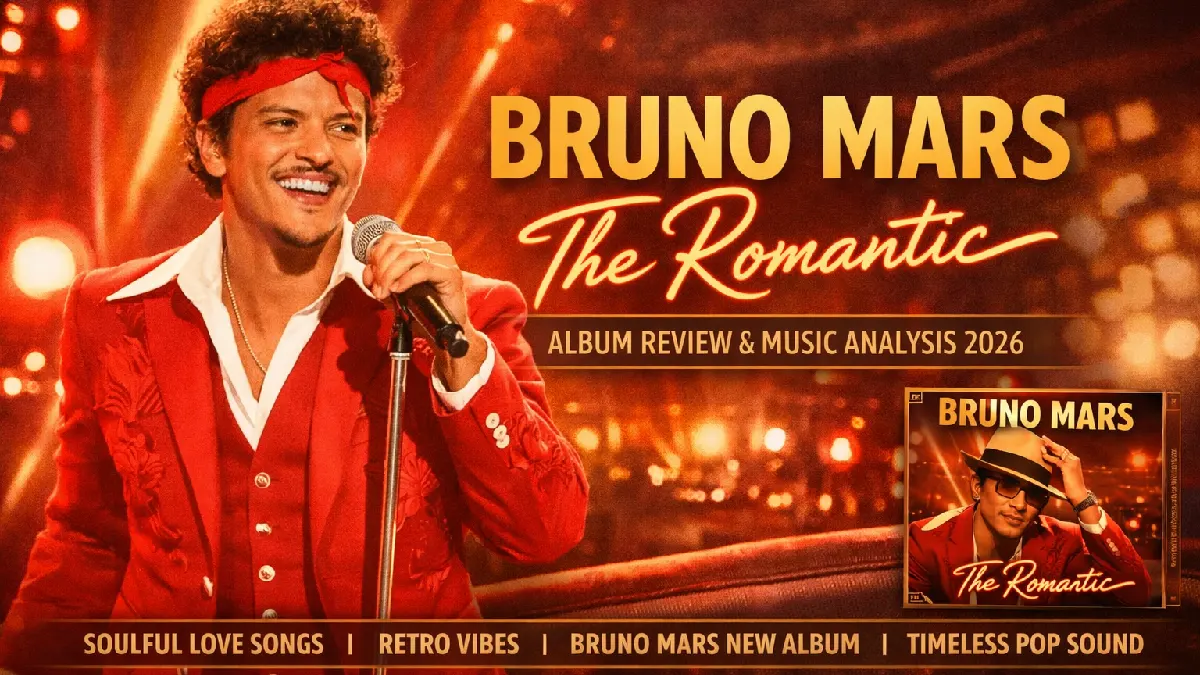
Expert Insight: Samantha Carter notes that the current global success of Puerto Rican artists represents a structural change in how entertainment markets operate. By leveraging independent labels and digital streaming, artists are bypassing traditional gatekeepers, turning regional cultural expressions into global commodities while maintaining a distinct, local identity.
Future Outlook for the Industry
The trajectory of Puerto Rico’s music industry suggests continued evolution as more women from the Gen Z and millennial cohorts take leadership roles in production and management. With the island now hosting major events like the Tu Música Urbano Awards and Premios Juventud, it is likely to remain a central hub for urban music production. Analysts expect that as long as independent labels continue to innovate, the island’s influence on global charts will persist, potentially further challenging the dominance of traditional Western music markets.
Frequently Asked Questions
What is the significance of the song “En Mi Viejo San Juan”?
According to the provided history, it is the anthem of the Puerto Rican diaspora, representing nostalgia and the desire to return home for those who sought new lives in the United States.
How have government policies influenced the music scene?
The 2012 Ley 20 provided fiscal incentives for local companies exporting services, which helped generate 210 million dollars in additional tax revenue and supported the growth of the island’s entertainment infrastructure.
Why is the current generation of Puerto Rican artists called the “generation of the crisis”?
As reported by The New York Times, this term refers to those born in the 90s and early 2000s who grew up during the island’s bankruptcy, the devastation of Hurricane Maria, and the challenges of the COVID-19 pandemic.
Do you believe the shift toward global, non-English language music is a permanent change in the entertainment industry?