

Bee Gees singer Barry Gibb not dead despite viral Facebook page rumors
The New Era of Digital Deception: Why Celebrity Death Hoaxes are Evolving
We’ve all seen it. A shocking headline flashes across your feed: “RIP [Insert Legend Here].” You feel a surge of sadness, your thumb hovers over the share button, and suddenly, a million other people are doing the same. But as the case of Barry Gibb recently proved, the “Stayin’ Alive” singer is very much alive.

What started as clumsy chain emails and poorly written blog posts has evolved into a sophisticated industry of misinformation. The Barry Gibb hoax wasn’t just a rumor; it was bolstered by AI-generated images of the singer in a hospital bed. This marks a dangerous shift in how fake news is manufactured and consumed.
The Weaponization of Synthetic Media
The use of AI-generated imagery in the Barry Gibb hoax is just the tip of the iceberg. We are moving toward an era of “synthetic media” where the line between reality and fabrication is virtually invisible. If a static image of a celebrity in a hospital can fool a million people, imagine the impact of a deepfake video.
Future trends suggest we will see “farewell videos” generated by AI, where a celebrity appears to give a final message to their fans. These videos can be used for everything from simple click-bait to sophisticated financial scams, urging fans to donate to a fake charity in the star’s name.
According to research on digital forensics, the speed at which these assets are created now far outpaces the speed at which fact-checkers can debunk them. By the time a representative issues a statement, the “news” has already circled the globe three times.
Why Our Brains are Wired to Believe the Lie
Why do we fall for these hoaxes, even when they seem far-fetched? It comes down to a psychological phenomenon called “confirmation bias” mixed with the urgency of the digital age.
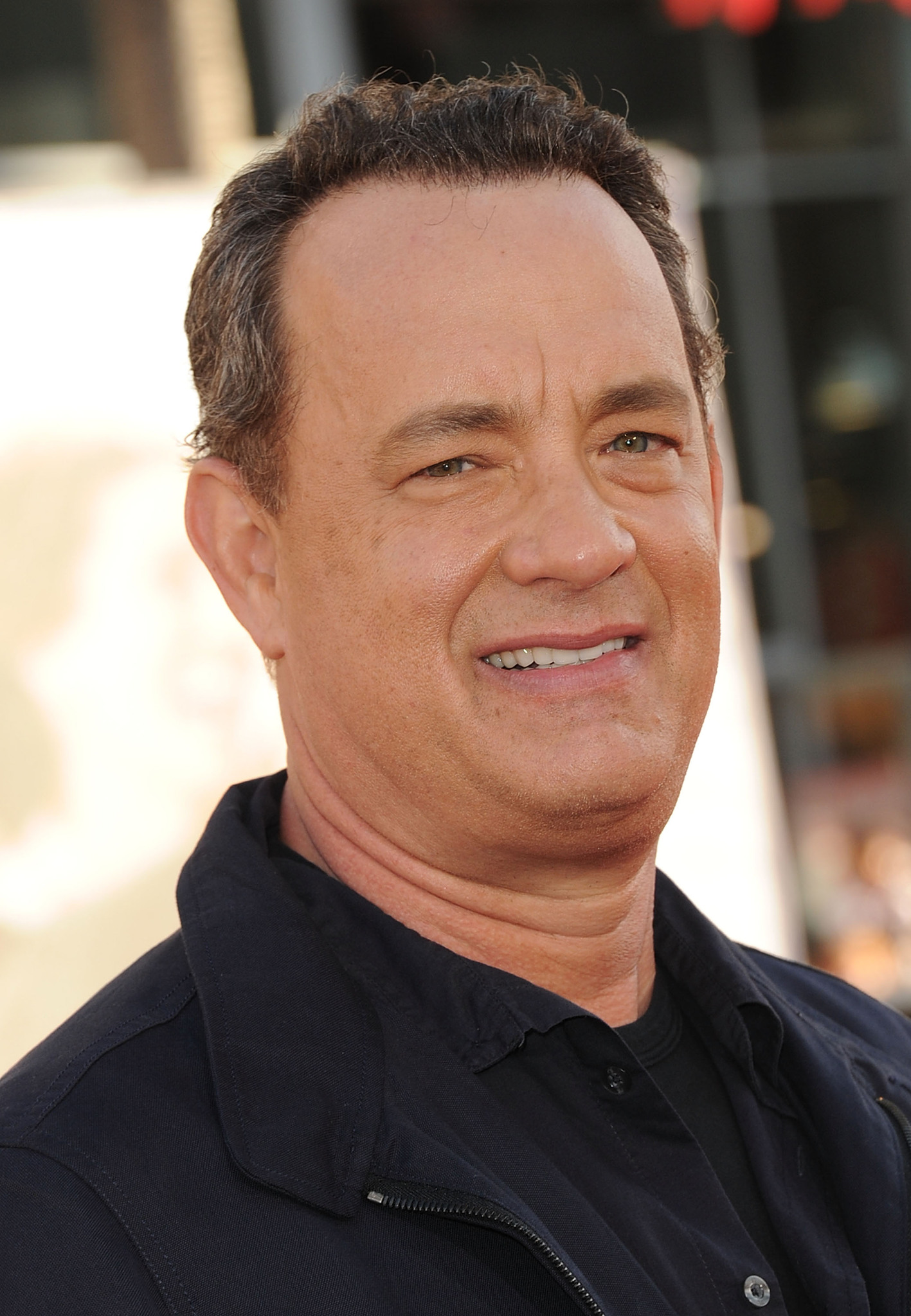
When we see a shocking headline, our brain triggers an emotional response before our logical mind can kick in. The desire to be the “first to know” or the “first to share” creates a social currency that outweighs the need for verification. In the case of icons like Tom Hanks or Michael J. Fox, the emotional connection fans feel makes them more susceptible to the shock of the news.
The Role of Algorithmic Amplification
Social media algorithms are designed for engagement, not accuracy. A post claiming a legend has died generates massive amounts of clicks, comments, and shares. To the algorithm, this looks like “high-quality content,” so it pushes the post to even more users.
This creates a feedback loop. The more people believe the lie, the more the platform promotes it, making the lie feel like a consensus truth. This is why a single fake Facebook page can reach a million people before the platform’s moderation tools even flag it.
The Future of Truth: Verification in a Post-AI World
As we move forward, the burden of proof is shifting. We are entering a period where One can no longer trust our eyes or ears. To combat this, we will likely see the rise of “digital watermarking” and blockchain-verified news sources.
Reputable news organizations are already exploring ways to cryptographically sign their content, ensuring that a story from a trusted source cannot be altered or spoofed. However, for the average user, the best defence remains digital literacy.
The trend is moving toward a “trust but verify” model. If a major celebrity dies, it will be reported by every major global news outlet simultaneously—not just a random Facebook page with a catchy name. If you don’t see it on the AP, Reuters, or the BBC, it’s probably a hoax.
Frequently Asked Questions
How can I tell if a celebrity death report is fake?
Check for confirmation from multiple high-authority news sources. Be wary of reports that only exist on social media or “breaking news” pages with no established editorial history.
What are AI-generated death hoaxes?
These are scams that use artificial intelligence to create realistic but fake images or videos of a person looking ill or in a hospital to trick people into clicking links or sharing misinformation.
Why do people create these hoaxes?
Most are driven by “click-farming”—generating massive traffic to a website to earn ad revenue. Others do it for social influence or to spread chaos.
Should I report these posts?
Yes. Reporting misinformation helps social media algorithms identify and suppress fake content, preventing it from reaching more vulnerable users.
Join the Conversation
Have you ever been fooled by a celebrity death hoax? Or perhaps you spotted one before it went viral? Let us know in the comments below!
Stay ahead of the curve—subscribe to our newsletter for more insights into the intersection of tech and pop culture.