
Belvedere Museum Suffers 7,200 NFT Theft Following Klimt Collection Flop
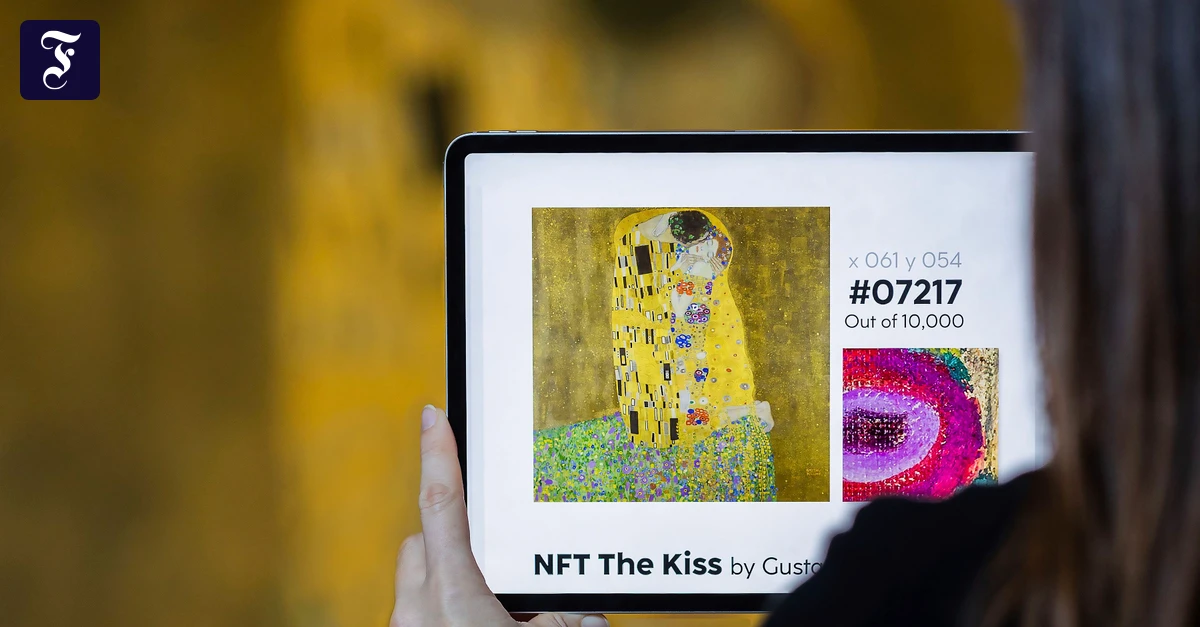
The Vienna Belvedere museum confirmed a May 29 cyberattack resulting in the theft of 7,200 non-fungible tokens (NFTs) representing digital fragments of Gustav Klimt’s painting, “The Kiss.” While the museum reported the unauthorized transfer of these digital assets, the underlying image files remain secured and disabled, rendering the stolen tokens effectively worthless, according to reports from Der Standard.
How did the Belvedere NFT theft occur?
The theft involved the unauthorized transfer of 7,200 tokens from the museum’s digital wallet, according to statements provided to Der Standard. While the hackers succeeded in moving the blockchain-based certificates, they failed to gain control of the high-resolution image files linked to those specific NFTs. The Belvedere has since disabled these image files, and the marketplace OpenSea has restricted the associated tokens, stripping them of their utility and potential resale value.
The Belvedere initially launched 10,000 “The Kiss” NFTs in February 2022. Despite the museum’s prestige, fewer than 3,000 were sold to the public at the original issue price of 1,850 euros each.
What is the financial impact for investors?
The financial fallout from the hack is primarily theoretical, as the market value of the Klimt NFTs had already collapsed prior to the breach. At their peak, the assets were intended to generate revenue for the museum; however, the “floor price”—the lowest cost to purchase one of these tokens—fell from an initial 1,850 euros to approximately 500 euros shortly after launch, according to market data from OpenSea. Currently, the floor price sits at roughly 90 euros (0.059 Ether). The 13.2 million euro figure cited as the “damage” reflects the theoretical loss based on the original issue price, rather than the current market reality.
Why are institutional digital asset projects struggling?
The Belvedere project serves as a case study in the volatility of the 2021-2022 NFT boom. While the museum successfully generated millions in revenue during the initial sale, the long-term value for investors plummeted as the broader crypto market corrected. This incident highlights a recurring trend in institutional digital art: the disconnect between the high-value physical original and the speculative digital certificate. Unlike physical art, which maintains provenance through traditional galleries, these digital assets rely entirely on the security of the hosting platform and the continued interest of a niche speculative market.
If you hold digital assets, verify that your NFTs are stored in a “cold” hardware wallet rather than a web-connected “hot” wallet. This significantly reduces the risk of unauthorized transfers during platform-wide security breaches.
Frequently Asked Questions
Are the stolen Klimt NFTs still worth anything?
No. Because the museum disabled the linked image files and major marketplaces like OpenSea have blocked the tokens, the stolen NFTs are now effectively empty certificates with no associated art or utility.
Is the police involved in the investigation?
Yes. The Belvedere has confirmed that police are investigating the theft and are currently working with crypto-forensics experts to track the unauthorized transfers.
Could this incident increase the value of remaining legitimate NFTs?
Some market analysts suggest that a reduction in supply can lead to price appreciation. However, given the significant decline in demand for these specific assets, a major “run” on the remaining tokens is considered unlikely by industry observers.
Have you been affected by digital asset security breaches or are you interested in the intersection of traditional art and blockchain technology? Join the conversation in the comments below or subscribe to our newsletter for weekly updates on the digital art market.