
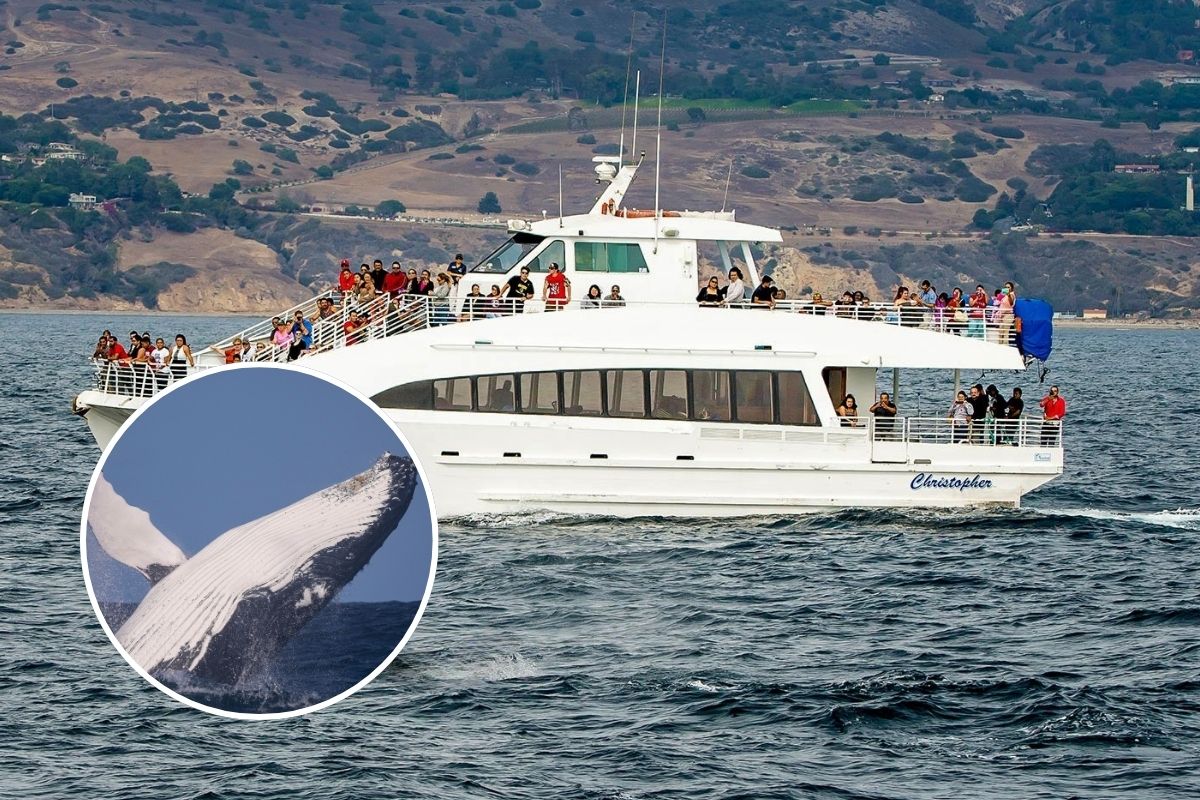
Best Blue Whale Watching in Long Beach, California
Blue whale watching in Long Beach, California, is evolving into a high-tech, sustainable experience. According to Harbor Breeze Cruises, these massive mammals—reaching lengths of 30 meters—migrate to Southern California waters between May and November to feed on krill, creating a critical window for eco-tourism and marine research in the Pacific.
How is technology changing the way we spot Blue Whales?
The days of relying solely on a captain’s binoculars are fading. The future of marine tourism lies in acoustic monitoring and AI-driven spotting. By using hydrophones—underwater microphones—operators can detect the low-frequency moans of blue whales long before they break the surface.

This shift reduces the “search time” for vessels, which means less fuel consumption and less noise pollution in the water. According to data from NOAA (National Oceanic and Atmospheric Administration), reducing ship noise is vital because whales rely on sound for communication and navigation. We’re moving toward a model where boats glide toward a known location rather than circling aimlessly.
Expect to see more drones on these excursions. High-resolution aerial footage allows tourists to see the true scale of a 30-meter whale without the boat getting too close, ensuring the animal’s stress levels remain low while providing a perspective previously reserved for scientists.
Why does the krill population dictate the future of whale tourism?
The entire industry of whale watching in Long Beach hinges on a single factor: the krill. As noted by Harbor Breeze Cruises, blue whales visit the coast specifically to “atiborrarse” (gorge) on seasonal krill blooms driven by coastal upwelling.
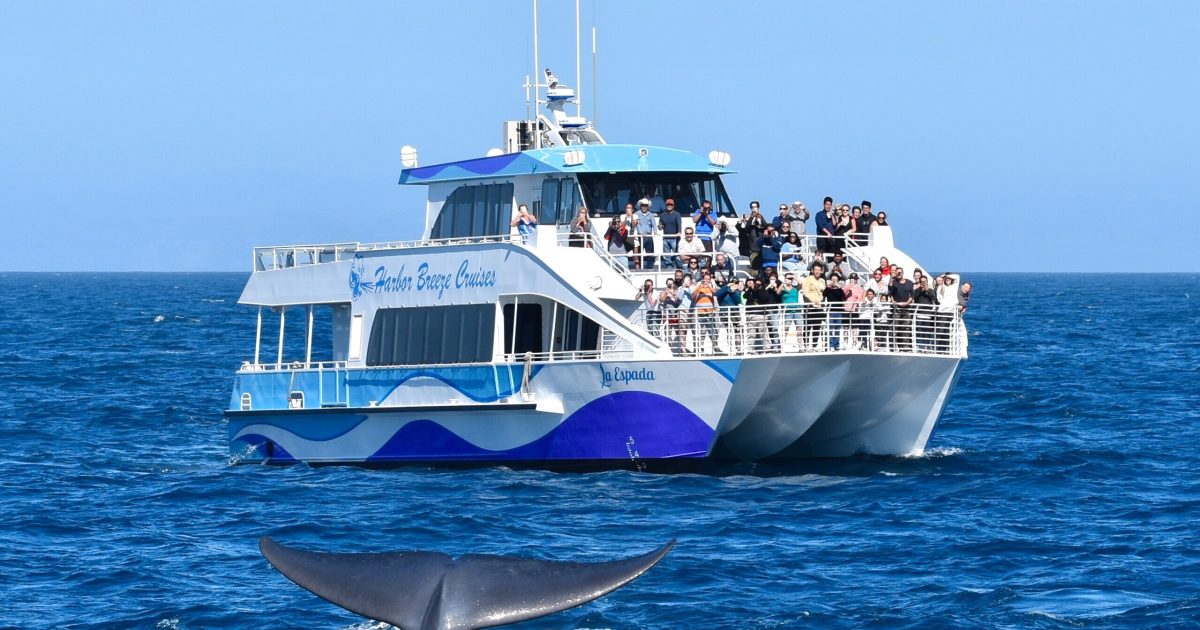
Climate change is shifting these patterns. If ocean temperatures rise, the nutrient-rich cold water that supports krill may move further north. This creates a precarious situation for local tourism. If the food source shifts, the whales shift.
This is why we’re seeing a rise in “citizen science” during cruises. Future trends suggest that tourists won’t just be observers; they’ll be data collectors. Imagine using an app to log sightings and fluke patterns in real-time, contributing to a global database that helps researchers track how feeding grounds are moving in response to warming seas.
What does “regenerative tourism” look like for marine excursions?
We’re moving past “sustainable tourism”—which aims to do no harm—toward “regenerative tourism,” which actively improves the environment. For Long Beach operators, this means integrating conservation directly into the ticket price.
Contrast this with traditional tourism: instead of just viewing the animal, future excursions will likely include “impact offsets.” This could involve a portion of the fare funding the removal of “ghost nets” (abandoned fishing gear) from the Pacific, which are a leading cause of whale entanglement.
We can look at the World Wildlife Fund (WWF) initiatives as a blueprint. By linking the thrill of seeing a blue whale with a tangible conservation action, the industry ensures that the animals remain for the next generation of travelers.
For those interested in more coastal adventures, check out our guide on the best California wildlife spots to visit this year.
Frequently Asked Questions
When is the best time to see Blue Whales in Long Beach?
The peak window is from May to November, when the whales migrate to the nutrient-rich waters of the California coast to feed.

How big are Blue Whales actually?
They are the largest animals known to have existed, typically ranging from 24 to 30 meters in length.
Are whale watching tours safe for children?
Yes. Reputable operators like Harbor Breeze Cruises use Coast Guard-certified vessels with indoor seating and safety railings, making them suitable for all ages.
What else can you see besides Blue Whales?
Depending on the season, you can often spot humpback whales, fin whales, dolphins, and sea lions.
Want to see the giants of the ocean?
Whether you’re a photography enthusiast or a nature lover, the Pacific is calling. Have you ever spotted a blue whale in the wild? Share your experience in the comments below or subscribe to our newsletter for more hidden gems along the California coast!