
Best Early Amazon Prime Day Power Tool Deals
The power tool industry is shifting toward high-capacity cordless ecosystems, driven by brushless motor efficiency and increased battery density. According to technical specifications from brands like Ego and Metabo HPT, the transition from corded power to lithium-ion platforms is enabling professional-grade performance in lawn care and fastening tools without the need for air compressors or electrical outlets.
Why is the power tool industry moving toward cordless ecosystems?
Manufacturers are prioritizing battery interoperability to lock users into a single brand ecosystem. Metabo HPT utilizes the “MultiVolt” system, which allows a single battery platform to power various tools, such as their 18-gauge brad nailer. This eliminates the need for separate chargers for different voltage requirements.

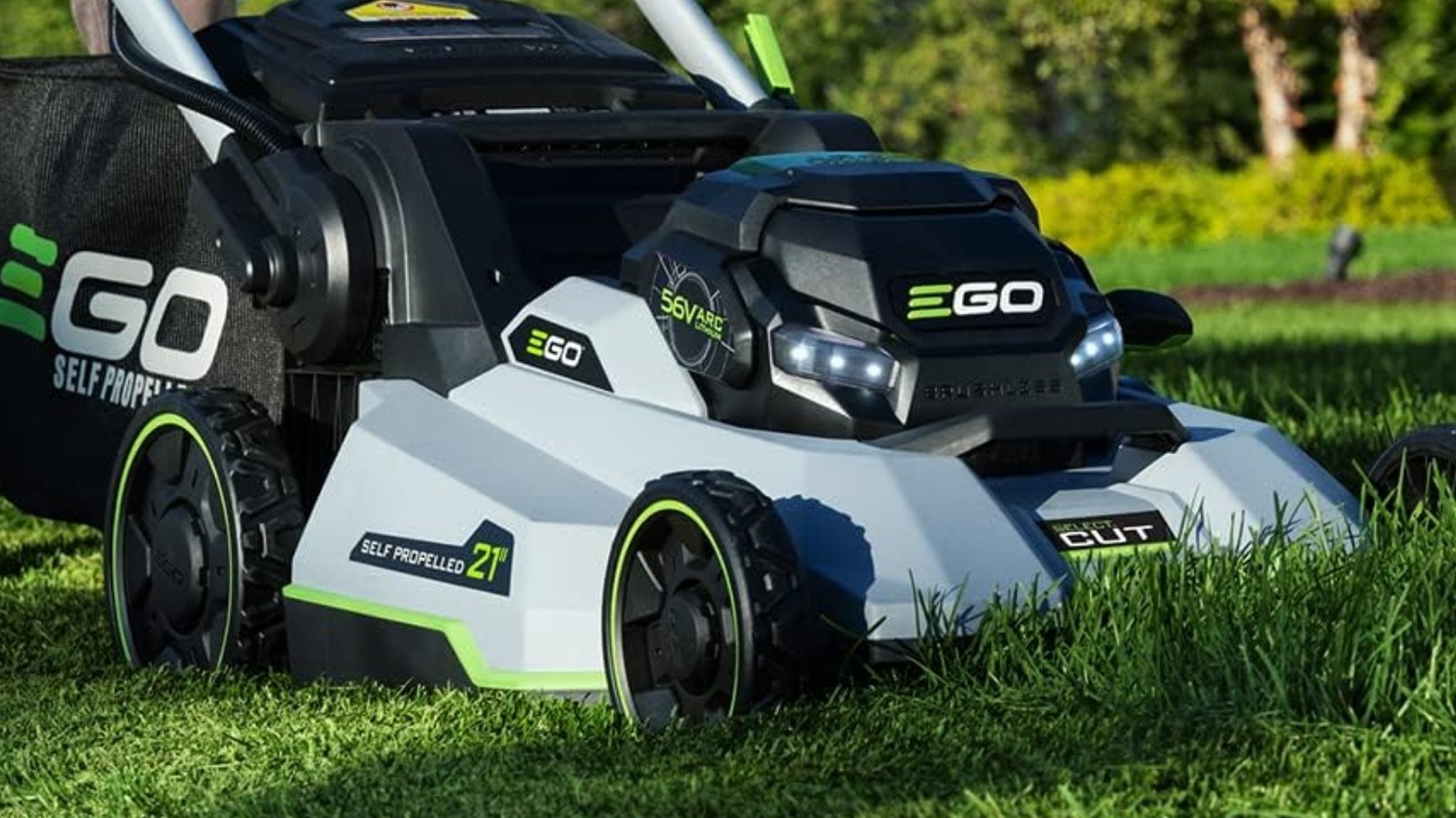
The shift is supported by the rise of brushless motors. Ego Power+ implements brushless, high-efficiency motors in their self-propelled mowers to maximize the 7.5 Ah battery runtime. Unlike brushed motors, these components reduce friction and heat, which extends the life of the tool and increases the work performed per charge.
How will battery technology impact heavy-duty masonry and sanding?
Heavy-duty tasks currently rely heavily on corded power for consistent torque. The Bosch 11255VSR BullDog rotary hammer, for example, uses a 7 Amp corded motor to generate 2 ft-lbs of kinetic energy on impact. Corded tools avoid the “voltage drop” that occurs as a battery depletes, which is critical for breaking through dense concrete.

However, cordless alternatives are closing the gap. While the Bosch ROS20VSC palm sander remains a corded 2.5 Amp tool to maintain a constant 12,000 opm (orbits per minute), the trend in the industry is toward high-voltage cordless versions that mimic this output. The goal is to remove the limitation of the power cord without sacrificing the RPMs required for a smooth finish.
What role does brushless motor technology play in lawn care?
Brushless technology is the primary driver behind the viability of electric lawn care. According to Ego Power+ data, their brushless motors allow for a multi-blade system that supports mulching, bagging, and side discharge—functions previously reserved for gas-powered engines.

The efficiency of these motors allows for the integration of “Touch Drive” self-propulsion systems. These systems can move a mower at speeds between 0.9 mph and 3.1 mph without significantly draining the battery. This reduces the physical strain on the operator while maintaining a 60-minute runtime on a single 7.5 Ah charge.
Corded vs. Cordless: Performance Trade-offs
The choice between power sources now depends on the specific application rather than a lack of technology. Based on the provided product data, the trade-offs are clear:
- Corded (e.g., Bosch BullDog): Provides unlimited runtime and maximum kinetic energy for masonry. Best for stationary, high-impact work.
- Cordless (e.g., Metabo HPT Nailer): Provides mobility and removes the need for auxiliary equipment like compressors. Metabo claims up to 700 nails per charge.
Frequently Asked Questions
What is the benefit of a brushless motor over a brushed motor?
Brushless motors are more efficient, generate less heat, and typically offer longer runtimes and longer tool lifespans because they lack carbon brushes that wear down over time.
Do cordless nailers perform as well as pneumatic ones?
Modern cordless nailers, such as the Metabo HPT 18V, use mechanical springs to drive nails. They offer immediate firing response with no ramp-up time, though they are often heavier (approx. 5.5 lbs) than their pneumatic counterparts.
How does a “MultiVolt” system work?
A MultiVolt system allows a battery to switch its voltage output based on the tool it is inserted into, allowing one battery to power both low-voltage handheld tools and high-voltage heavy machinery.
Why is dust collection important in power sanding?
Integrated vacuum systems, like the one in the Bosch ROS20VSC, prevent fine particulates from entering the lungs and keep the sanding surface clean, which reduces swirl marks and improves the final finish.