
Best Foods to Protect Your Liver and What to Avoid for Better Health
Between 32% and 42% of adults in the United States currently live with metabolic dysfunction-associated steatotic liver disease (MASLD), a condition formerly known as non-alcoholic fatty liver disease. According to medical experts, dietary habits are a primary factor in managing this condition, as specific foods and substances can either reduce stress on the liver or contribute to long-term, cumulative damage.
Did You Know?
The liver is one of the body’s most active organs, performing essential tasks such as processing nutrients, regulating blood sugar, metabolizing fats, and producing bile for digestion.
The Impact of Diet on Liver Health
Dietary choices exert an unprecedented influence on liver function, often to a degree that is underestimated by the general public. Susan Kais, a hepatologist and associate professor of clinical medicine at the University of Cincinnati, notes that what an individual consumes can either alleviate or exacerbate the physiological stress placed on the liver. Over time, poor nutritional patterns—specifically those high in saturated fats, trans fats, and ultra-processed foods—promote inflammation and may lead to organ scarring. Furthermore, a poor diet can increase insulin resistance, which prompts the liver to produce and store excess fat.
Substances to Limit for Liver Protection
Hepatologists and gastroenterologists consistently identify alcohol and sugary beverages as the most damaging items for liver health. Both Susan Kais and Jasmohan Bajaj, a professor at the Virginia Commonwealth University Stravitz-Sanyal Institute for Liver Disease and Metabolic Health, emphasize that alcohol should be the first item removed from a diet to protect the organ. Research published in the journal Gut indicates that consuming 30 grams of alcohol daily, roughly equivalent to two standard drinks, increases the risk of cirrhosis. Additionally, a study in Frontiers in Medicine involving over 53,000 participants found that even a single daily alcoholic beverage is linked to a higher risk of liver disease.

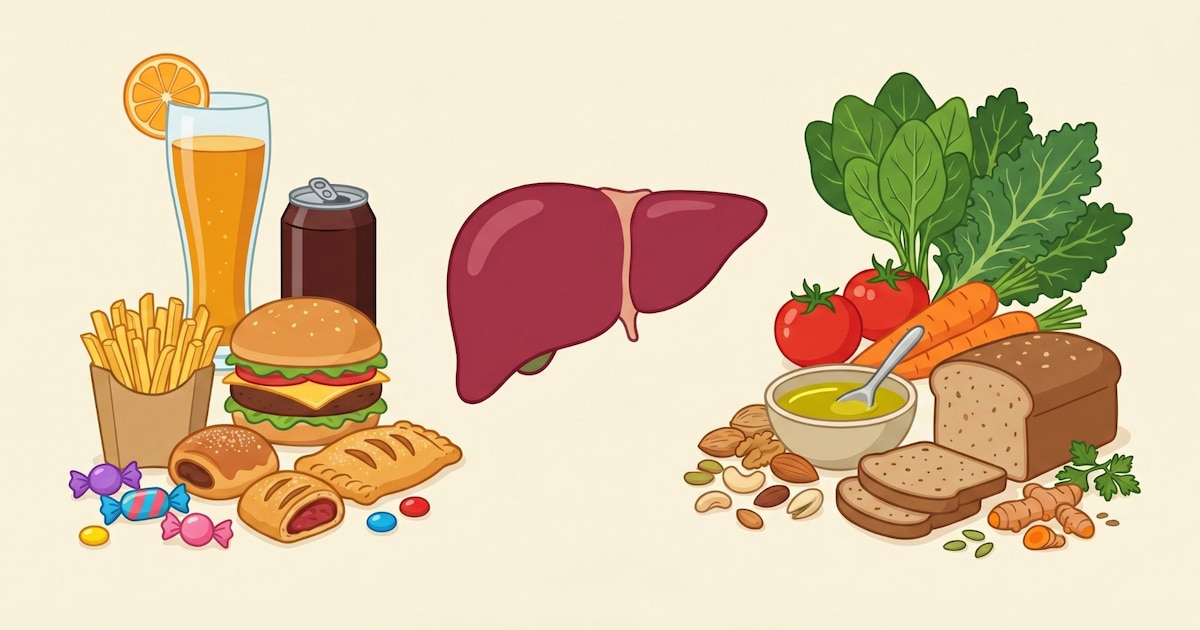
Beyond alcohol, experts warn against the frequent consumption of high-fructose corn syrup and sugary soft drinks. According to scientific evidence, regular soda intake is tied to a significant increase in the risk of developing MASLD. For those seeking alternatives, experts suggest shifting toward a Mediterranean-style diet, which prioritizes whole, plant-based foods, fiber-rich options, and healthy fats like those found in olive oil and nuts.
Expert Insight:
The transition from a diet high in processed convenience foods to one centered on whole, nutrient-dense ingredients like garlic and turmeric may promote liver detoxification and regeneration. By reducing reliance on fast food and refined carbohydrates, individuals may decrease the cumulative damage that leads to metabolic liver dysfunction.
Potential Health Outcomes
As researchers continue to link dietary patterns to liver outcomes, it is likely that clinical recommendations will increasingly emphasize the reduction of ultra-processed foods as a primary preventative measure. If current trends in consumption continue, the prevalence of MASLD may remain a significant public health concern. A possible next step for patients is the adoption of fiber-rich, whole-food diets, which specialists suggest could help reverse the inflammatory processes that lead to liver fat accumulation.
Frequently Asked Questions
What is MASLD?
MASLD stands for metabolic dysfunction-associated steatotic liver disease. It is a condition characterized by the accumulation of fat in the liver and affects between 32% and 42% of the U.S. adult population.
Why is fast food considered harmful to the liver?
According to Susan Kais, fast food often contains large quantities of unhealthy fats, sugars, and preservatives. Regular consumption of these items can contribute to liver fat storage and inflammation.
Can moderate alcohol consumption affect the liver?
Yes. Research indicates that even moderate alcohol intake can be harmful, particularly for those with underlying, undiagnosed liver issues. Studies show that consuming as little as one drink per day may elevate the risk of liver disease.
What steps will you take this week to prioritize nutrient-dense foods in your daily routine?