

Best Modern War Movies of the Last Decade
War films have remained a cornerstone of cinema for decades, offering a vital lens through which audiences can explore global history. Over the last ten years, the genre has reached new heights in storytelling, blending traditional narratives of heroism with grim explorations of the hard truths of conflict.
Redefining the War Narrative
Recent cinema has moved beyond simple conflict, focusing instead on the psychological and visceral realities of war. These films provide an impressive look at history, with some standing out as essential viewing for their unique perspectives on human suffering and resilience.
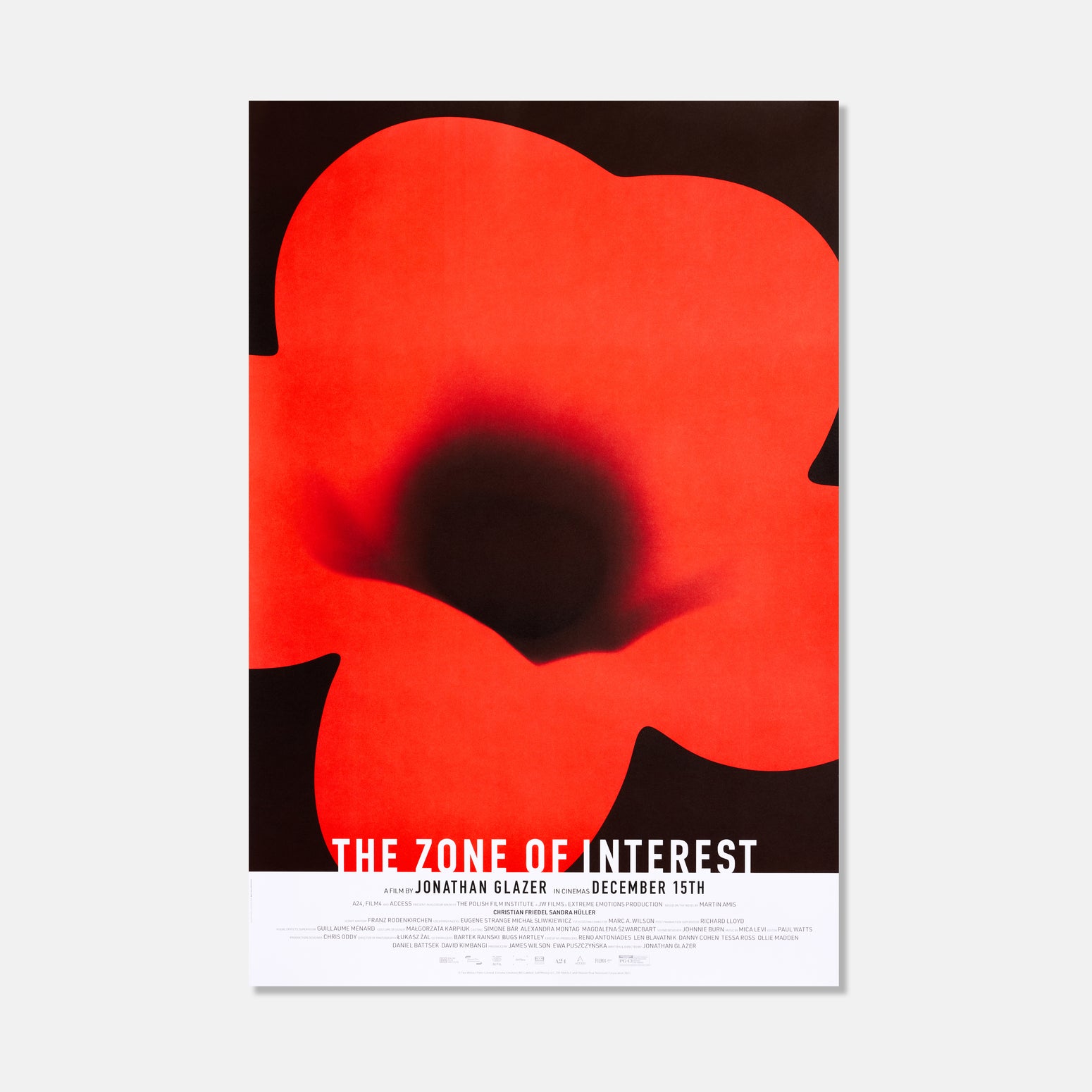
The Domesticity of Horror in The Zone of Interest (2023)
Unlike typical World War II films, The Zone of Interest tackles the horrors of the Holocaust through a jarring juxtaposition. The story follows a German commandant of Auschwitz and his family as they maintain a “normal” life in a lovely home situated directly next to the concentration camp.
The film emphasizes a visceral truth by layering the family’s daily routines with the distant sounds of gunfire, screams, and crematoriums. This approach serves as a reminder of the darkness of that era to ensure such events are never repeated.
Faith and Survival in Hacksaw Ridge (2016)
Hacksaw Ridge presents the true story of Desmond Doss, a combat medic in the Pacific Theater during World War II. As a Seventh-day Adventist, Doss refused to carry a weapon or kill, a decision that initially led to ridicule from his peers.
Doss eventually earned respect by risking his own life to save American troops on Hacksaw Ridge. The film focuses on the act of saving lives amidst a deadly war, highlighted by Andrew Garfield’s dramatic performance.
The Disillusionment of All Quiet on the Western Front (2022)
Based on the novel by Erich Maria Remarque, All Quiet on the Western Front follows Paul Bäumer, a young German man who enters World War I with hopes of heroism. Those aspirations are quickly shattered as he is forced into a brutal struggle for survival.
The film depicts a war where there are no clear heroes or villains, only people fighting to survive another day. It captures the violent nature of combat in a depiction of a war that is rarely explored in such detail.
Technical Innovation in 1917 (2019)
While World War II is frequently explored, Sam Mendes’ 1917 brings renewed attention to World War I. The film is uniquely presented as if shown in one continuous take, following a British soldier on a mission to stop an attack and prevent a massacre of the British army.
The narrative serves as a harrowing journey through the violence of the “War to End All Wars,” from sprinting across battlefields to avoiding snipers, in an emotional effort to save hundreds of lives.
The Scale of Rescue in Dunkirk (2017)
Christopher Nolan’s Dunkirk provides an intense account of the evacuation of Allied troops trapped on a French beach. With the German military approaching, the story emphasizes the urgency of a fast-moving clock where death feels guaranteed.
By utilizing perspectives from both soldiers and civilians, the film captures the massive scope of the operation. It stands as a definitive modern example of heroism in the face of imminent death.
The Future of Historical Cinema
The success of these diverse storytelling methods could lead to more experimental approaches in historical filmmaking. Future productions may continue to move away from traditional combat tropes to focus on more specific, human-centric experiences of conflict.
There is a possibility that filmmakers will further integrate technical innovations, such as the “one take” style, to increase the visceral impact of historical dramas. This evolution is likely to keep the history of these conflicts relevant for new generations.
Frequently Asked Questions
What makes The Zone of Interest different from other WWII films?
Instead of focusing on traditional conflict, it explores the Holocaust by showing a German commandant’s family living a “normal” life in a home next to Auschwitz, juxtaposing their domesticity with the sounds of the camp.
What was Desmond Doss’s conflict in Hacksaw Ridge?
As a Seventh-day Adventist, Doss refused to carry a gun or kill during his service as a combat medic in the Pacific Theater, despite facing ridicule for his beliefs.
How is the film 1917 visually distinct?
The film is designed to appear as if it were shot in one single, continuous take, creating a harrowing and immersive experience of a soldier’s journey.
Which of these cinematic approaches to history do you find most impactful?