

Best Unlimited Phone Plans: Verizon vs T-Mobile vs AT&T
The Death of “Unlimited”: Welcome to the Era of Priority Data
For years, the wireless industry sold us a dream: “Unlimited Data.” It was the ultimate marketing hook. But if you’ve noticed your video quality dipping to a blurry 480p during a commute or your speeds crawling during a stadium concert, you’ve felt the reality of the “unlimited” lie.
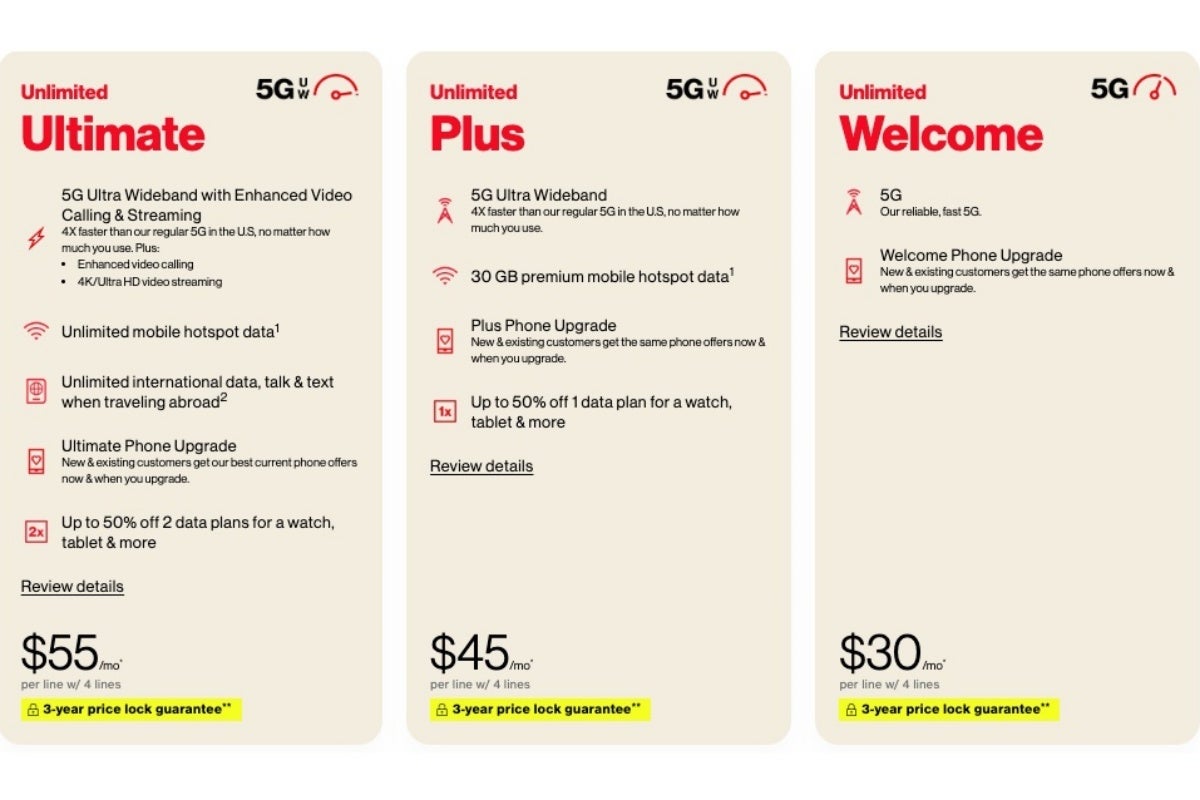
We are shifting toward a tiered priority ecosystem. As seen with recent moves by carriers like AT&T and their “turbo” features, the future isn’t about how much data you have, but who gets to go first in the digital line.
In this new landscape, “unlimited” is merely the baseline. The real product being sold is network priority. We are moving toward a world where data is treated like a highway: everyone can get on, but only those in the “express lane” (the highest-paying tiers) avoid the traffic jams of network congestion.
Unbundling the Bundle: Why Your Plan is Becoming a Menu
Remember when your phone plan came with a random set of perks you didn’t actually want? The industry is pivoting. Verizon has already started this trend by severing entertainment perks from the core plan and offering them as discounted add-ons.
This “a la carte” approach is a response to subscription fatigue. Consumers are tired of paying for a “premium” bundle that includes a streaming service they never open. The future of mobile billing looks more like a digital cafeteria: pay for the raw connectivity you need, then toggle on the 4K streaming, identity protection, or gaming boosters as needed.
This shift allows carriers to lower the entry price for budget-conscious users—such as the ultra-cheap multi-line options we’re seeing—while still extracting high margins from power users who want the “Ultimate” experience.
The Rural Battleground: Beyond the City Limits
While T-Mobile and Verizon fight for dominance in dense urban corridors with blistering 5G speeds, a different war is being waged in the American West and rural heartlands. For millions, a 5G download speed of 1Gbps is irrelevant if the signal drops the moment they leave the city limits.
The trend here is hybrid connectivity. We are seeing a convergence where traditional cellular networks are supplementing their “dead zones” with satellite integration. Whether it’s through partnerships with companies like SpaceX or the deployment of low-band spectrum, the goal is “blanket coverage.”
For the rural user, the “best” network is no longer the fastest one, but the most resilient one. This is why carriers like AT&T maintain a stronghold in sparse areas—they’ve prioritized the footprint over the peak speed.
Comparing the Strategic Focus
- Urban Powerhouses: Focus on 5G mmWave, low latency for gaming, and high-density capacity.
- Rural Specialists: Focus on Low-Band 5G and LTE stability to ensure “always-on” connectivity.
- Value Disruptors: Focus on multi-line discounts and stripped-down “Welcome” plans.
The “Asterisk” Economy: Navigating the Fine Print
As plans become more complex, the “fine print” has become a product in itself. From “deprioritization thresholds” to “congestion-based throttling,” the gap between the marketing headline and the actual user experience is widening.

The next evolution in consumer protection will likely be transparent real-time reporting. Imagine an app that doesn’t just show you how many GBs you’ve used, but tells you exactly why your speed has dropped: “Network congestion in your area; your current tier is being deprioritized.”
Until then, the savvy consumer must look past the “Unlimited” label and search for the asterisks. The real value is found in the unthrottled data cap, not the total data allowance.
Frequently Asked Questions
Q: What is “network deprioritization”?
A: It’s when a carrier slows down your data speed during times of high traffic to ensure that customers on more expensive, “priority” plans have a smooth experience.
Q: Is 5G always faster than 4G LTE?
A: Not necessarily. Low-band 5G can sometimes perform similarly to LTE. The “blazing fast” speeds are usually reserved for Mid-band and mmWave 5G, which have much shorter ranges.
Q: Should I choose a plan based on coverage or speed?
A: If you travel frequently or live in a rural area, coverage is king. If you live in a major city and stream 4K video on the go, prioritize speed and priority tiers.
What’s your experience been with your current carrier? Are you paying for a “premium” plan only to feel throttled, or have you found a budget gem that actually delivers? Let us know in the comments below or share this guide with someone struggling to pick a new plan!
Want more insider tips on navigating the tech landscape? Subscribe to our weekly deep-dives to stay ahead of the curve.