
Beyond Strava: Taking Control of Your Fitness Data With Endurain and FitPub
Strava’s removal of its free API tier for most consumer use cases is pushing fitness users toward self-hosted and decentralized alternatives. Endurain provides a private NAS-based dashboard for data ownership, while FitPub uses the ActivityPub protocol to create a portable, decentralized social network for athletes.
Why are athletes moving away from centralized fitness platforms?
The shift stems from a loss of interoperability. According to reports on recent API changes, Strava’s decision to restrict free API access has broken workflows for users who bridge data between multiple devices, such as Apple Watches and Garmin wearables.
Centralized platforms often tie workout history to specific corporate ecosystems. When these companies change pricing models or restrict data access, users lose control over their long-term fitness records. This creates a dependency on a single company’s rules for accessing personal health trends.
How does Endurain enable total data ownership?
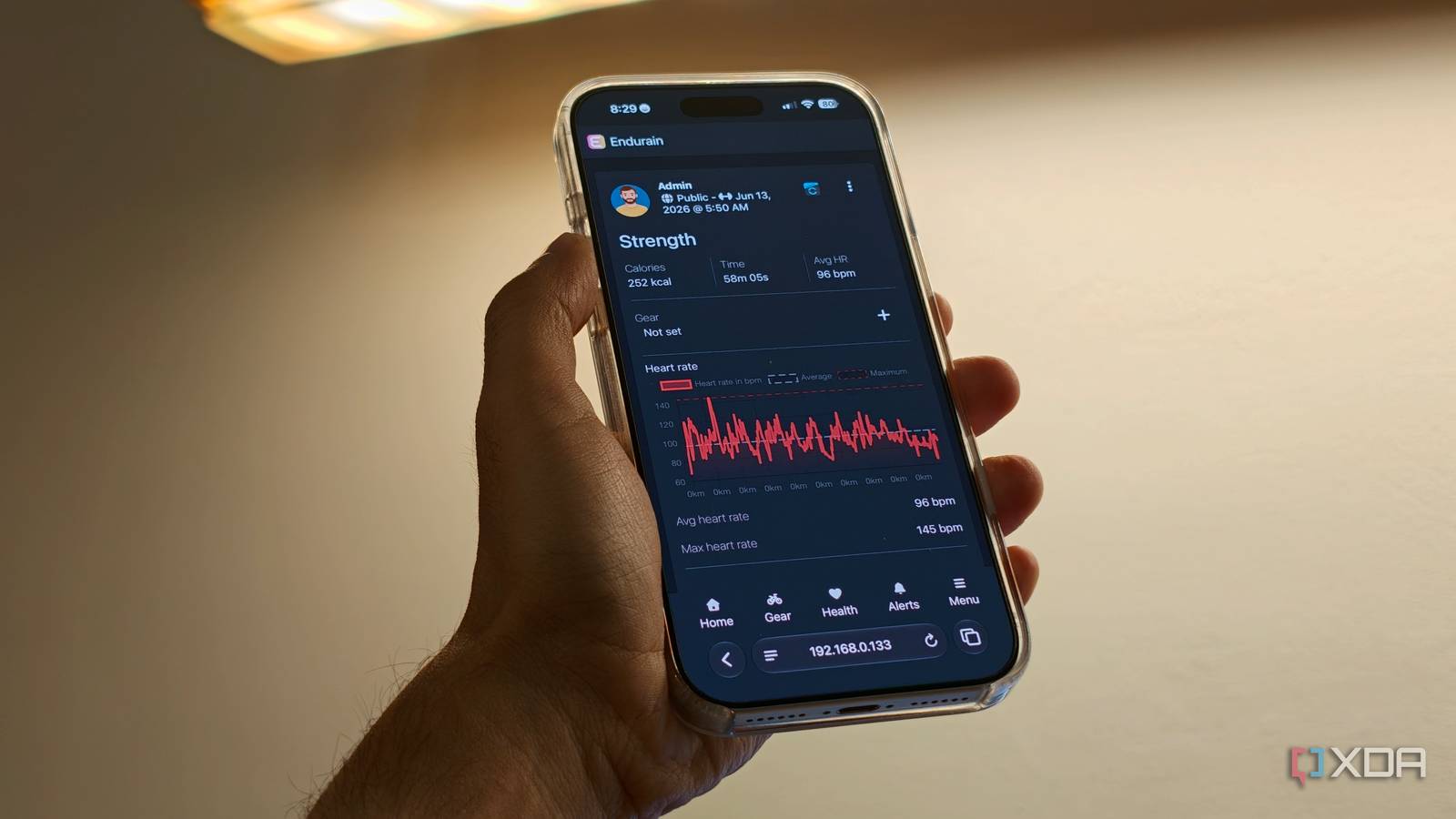
Endurain operates as a self-hosted fitness dashboard that runs on a user’s own Network Attached Storage (NAS). This architecture ensures that workout history, activity files, routes, and health data stay on private hardware rather than a corporate server.
The platform prioritizes performance metrics over social interaction. Users can track distances, pace, and training loads without a social feed. Endurain also supports gear tracking—allowing athletes to monitor shoe mileage—and health metrics like sleep and resting heart rate.
Because it supports standard GPX and TCX files, the system removes lock-in from specific watch manufacturers. Users can still pull data from Garmin Connect or Strava if they maintain API access, but the primary goal is a permanent, private fitness database.
What is the role of ActivityPub in the future of fitness social networking?
FitPub represents a shift toward the “Fediverse” by using ActivityPub, the same open-source protocol powering Mastodon. This protocol allows fitness activities to exist on a decentralized network.
In traditional apps, a user’s community—friends, followers, and comments—is locked within the platform. If a user leaves the service, they lose their social graph. FitPub’s decentralized approach allows for community mobility, meaning the social connection is not owned by a single company.
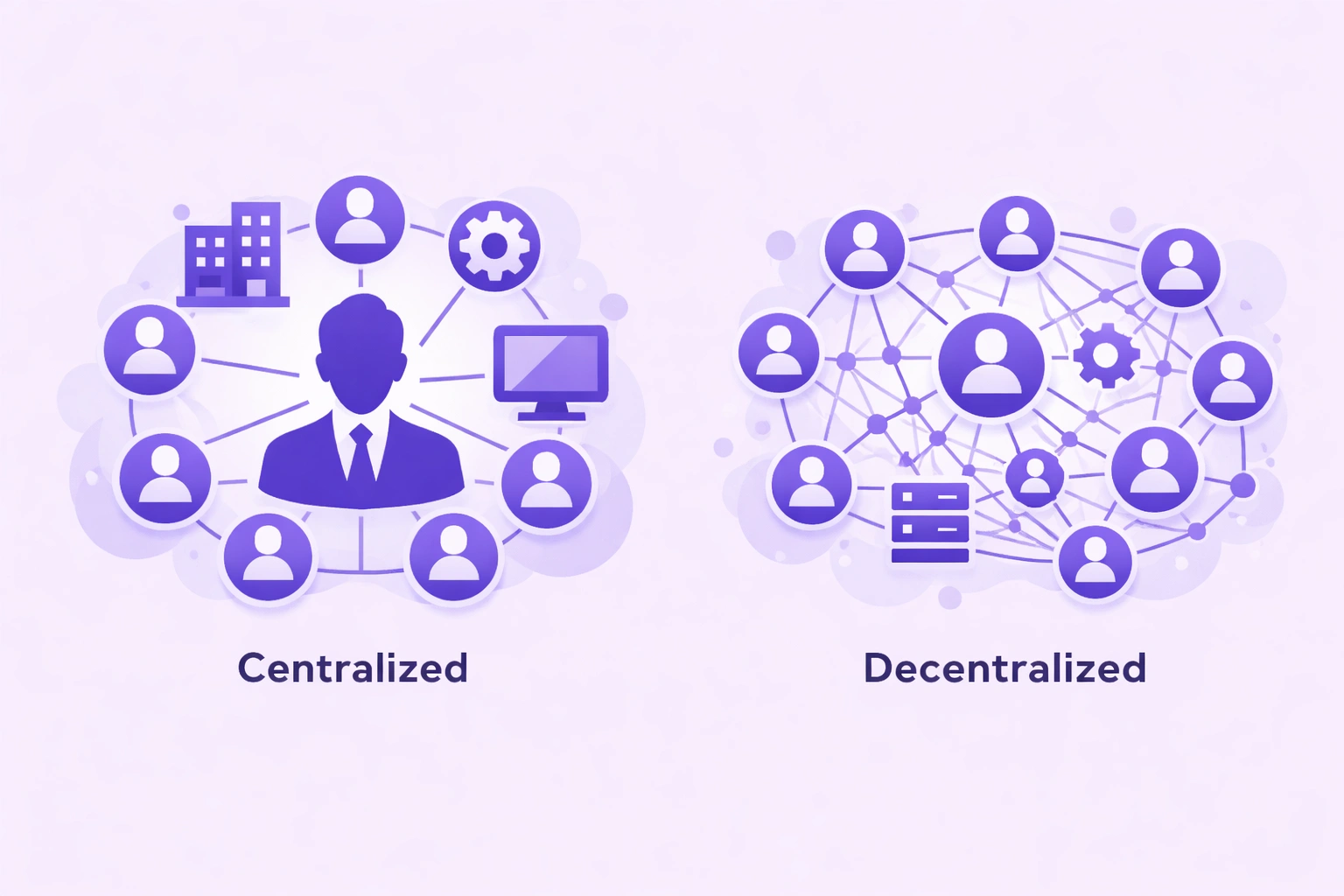
Centralized vs. Decentralized Fitness Tracking
The transition from commercial hubs to open-source tools changes how data is managed and shared. The following comparison outlines the structural differences based on current tool capabilities.
| Feature | Commercial (Strava) | Self-Hosted (Endurain) | Decentralized (FitPub) |
|---|---|---|---|
| Data Storage | Corporate Cloud | Private NAS | Distributed/Fediverse |
| Social Logic | Closed Ecosystem | Solo/Private | Open Protocol |
| API Dependency | High (Proprietary) | Low (File-based) | Medium (Protocol-based) |
What happens next for fitness data sovereignty?
The trend indicates a growing divide between “social fitness” and “data fitness.” Power users are increasingly separating their public-facing activity from their long-term health archives. This mirrors a broader move toward self-hosting seen in other sectors of personal data management.
As more users adopt the ActivityPub protocol, the fitness community may move toward a model where the “platform” is merely a lens to view data, rather than the owner of the data. This shifts the power from the service provider back to the athlete.
Frequently Asked Questions
Can I move my data from Strava to Endurain?
Yes. Endurain allows imports via standard GPX and TCX files, which can be exported from most major fitness platforms.
Do I need a server to use Endurain?
Endurain is designed to run on a NAS (Network Attached Storage) or a similar self-hosted environment to ensure the user maintains full control of the data.
What is the difference between FitPub and Strava?
While Strava is a centralized company that owns your social graph, FitPub uses the ActivityPub protocol to decentralize social interactions, making your community portable across different servers.
Are you moving your fitness data to a private server or sticking with the big platforms? Let us know your setup in the comments below or subscribe to our newsletter for more guides on data sovereignty.