
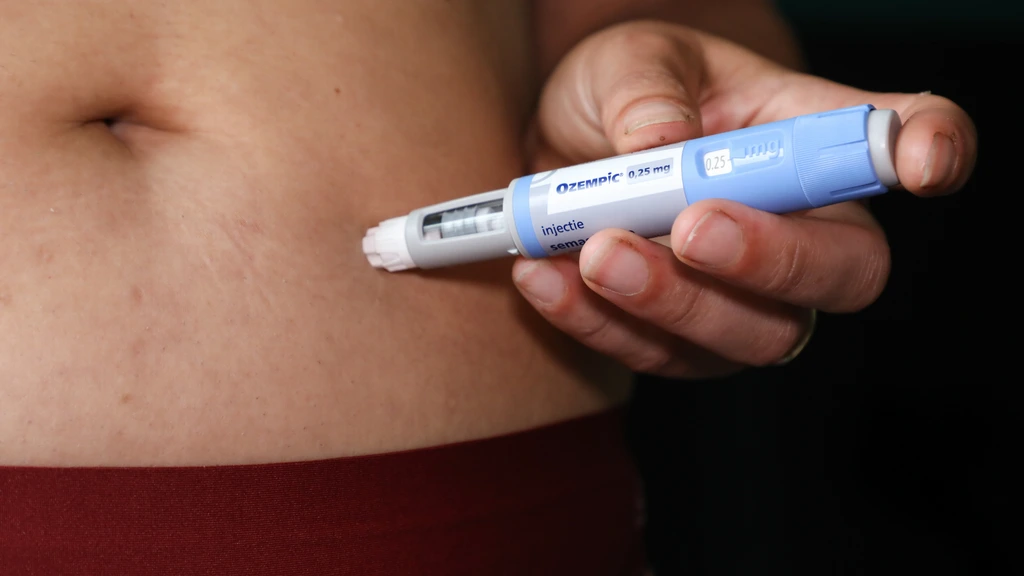
Beyond Weight Loss: The Expanding Medical Potential of Ozempic, Wegovy, and Mounjaro
Weight-loss medications like Ozempic, Mounjaro, and Wegovy are showing potential to treat conditions beyond obesity, including HIV-related inflammation and cardiovascular disease, according to medical researchers. While originally developed for diabetes, these drugs may address the underlying drivers of multiple chronic illnesses, though hard scientific evidence for some applications remains limited.
How are weight-loss drugs affecting non-obesity conditions?
Medical studies are investigating the effects of Ozempic, Mounjaro, and Wegovy on a variety of ailments, including several forms of cancer, arthritis, sleep apnea, and cardiovascular diseases. Some of these benefits occur because weight loss reduces the risk of 13 types of cancer and joint problems, according to the provided research.

Internist-endocrinologist Liesbeth van Rossum, an obesity specialist, states that medicine is entering an era where doctors can treat obesity itself as the driving factor behind these associated diseases, rather than just treating the resulting conditions.
Can these medications treat HIV-related inflammation?
Internist Casper Rokx, who researches the virus that causes aids, prescribes these medications to patients who have both HIV and obesity. Rokx reports that the drugs work effectively against inflammatory responses, a common issue for people living with HIV.
Rokx notes that there have been “actually no medicines” to properly address the inflammations associated with the virus until now. While Modini Kakade, a patient with sarcoidosis, reported that her organ and tissue inflammation symptoms disappeared after using a weight-loss drug, Rokx cautions that hard evidence is still lacking.
Most current evidence for anti-inflammatory effects is indirect or based on small studies. Consequently, Rokx does not prescribe these drugs to HIV patients without obesity, though he suggests a possible next step could be research into whether reducing inflammation before obesity develops could improve survival rates.
Do these drugs have a direct effect on heart health?
Research is currently exploring whether these medications provide benefits independent of weight loss. Liesbeth van Rossum points to cardiovascular diseases as a primary example, stating there are indications that the drugs have a direct positive effect on blood vessels.
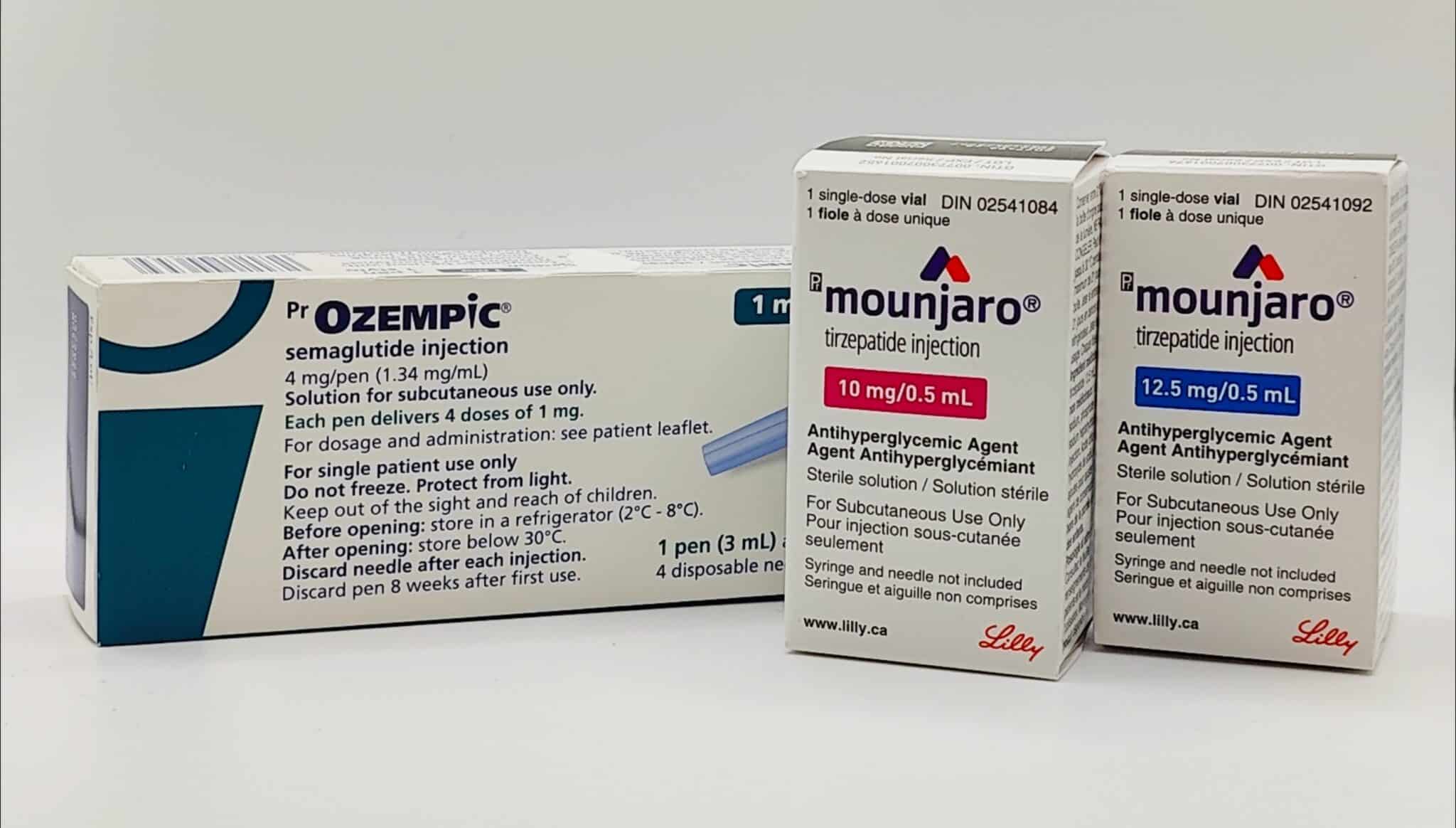
Van Rossum emphasizes that professional guidance is “essential” when using these medications. She urges individuals not to use these drugs without medical supervision, regardless of the intended purpose.
How does insurance coverage differ between France and the Netherlands?
France became the first EU country this month to reimburse weight-loss medications, including the newest variants, for people with severe obesity under specific conditions.
In contrast, the Netherlands requires patients with severe obesity to complete a one-year Combined Lifestyle Intervention (GLI) focused on lifestyle changes before receiving medication. Some doctors criticize this requirement, arguing that obesity is a disease that requires direct medical treatment.
The Dutch Health Care Institute, which advises the government on the basic insurance package, is currently reviewing whether these medications could be reimbursed for those with severe obesity in the future.
Frequently Asked Questions
What was the original purpose of Ozempic, Mounjaro, and Wegovy?
These medications were originally developed to treat diabetes.
Why is the effect on HIV patients significant?
According to internist Casper Rokx, these drugs address inflammatory responses that people with HIV frequently suffer from, for which there were previously almost no effective treatments.
What is the difference in Dutch and French healthcare policy regarding these drugs?
France provides reimbursement for these drugs for severe obesity under certain conditions. The Netherlands requires a year of lifestyle intervention (GLI) first, although the Dutch Health Care Institute is reviewing future reimbursement options.
Do you believe obesity should be treated primarily as a medical disease or through lifestyle interventions first?