
Birth Year Linked to Higher Stroke Risk, New Study Finds
Research from Rutgers University indicates that birth year significantly influences an individual’s risk of experiencing a stroke. Analysis of over 225,000 stroke cases reveals that people born between 1965 and 1974 face nearly double the stroke risk compared to those born between 1945 and 1954. According to the study published in the Journal of the American Heart Association, these findings highlight how evolving medical access and lifestyle factors across generations impact long-term health outcomes.
Did You Know? People born between 1945 and 1954 recorded the lowest rates of brain hemorrhage compared to other generational groups, while those born before 1945 faced the highest overall risk levels.
Why birth year impacts stroke risk
John B. Kostis, the lead researcher from Rutgers University, attributes these generational disparities to clear medical and societal changes. The availability of life-saving interventions, such as statins and modern hypertension treatments, was limited until the latter half of the 20th century. Consequently, cohorts born in the mid-1940s may have missed early access to these preventative measures, while later generations have navigated an environment with rising rates of diabetes and obesity since the 1960s.
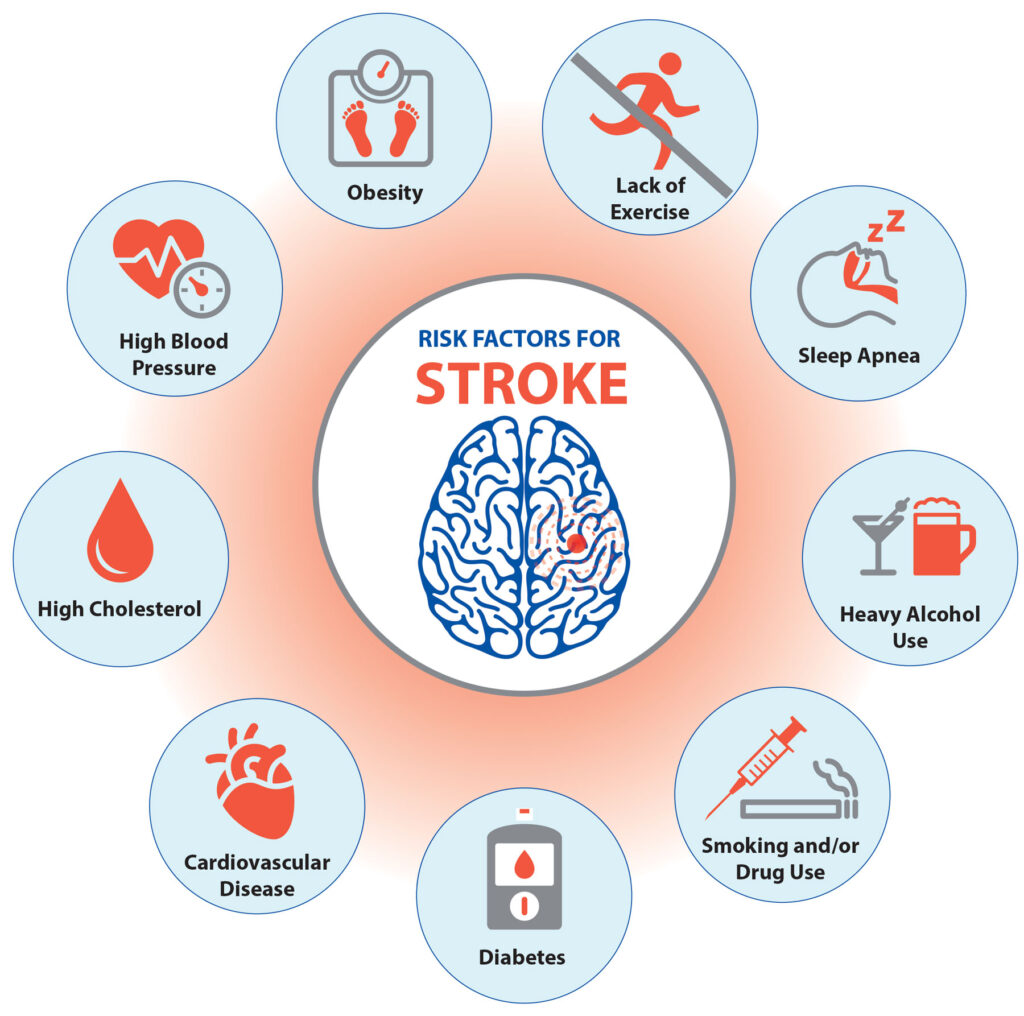
Expert Insight: The data suggests a complex trade-off between the timing of medical advancement and the emergence of lifestyle-related chronic conditions. While medical technology has improved, the efficacy of these tools is being challenged by shifts in patient behavior and the influence of unverified health information.
Consequences of lifestyle and self-treatment
The study identifies a troubling trend in how patients interact with medical guidance. Kostis notes that increasing reliance on self-treatment and the consumption of unreliable medical information online may be undermining the benefits of modern healthcare. This shift, combined with the rising prevalence of cardiovascular risk factors, complicates the management of stroke prevention across younger age groups.
What to expect in stroke prevention
Future health trends may depend on how effectively different age groups engage with medical professionals. While individuals currently aged 60 to 70 appear to have benefited most from modern preventative protocols, those over 72 remain at elevated risk due to natural aging. Analysts expect that younger populations, specifically those aged 40 to 55, may continue to face higher stroke risks unless lifestyle-related factors like obesity and diabetes are addressed more aggressively.
Globally, stroke remains the third leading cause of death and the primary cause of long-term disability. With approximately 12 million new cases reported annually, a stroke occurs roughly every 90 seconds. Experts emphasize that the gap between medical capability and patient adherence remains a critical area for public health intervention.
Frequently Asked Questions
Which generation faces the highest stroke risk according to the study?
Individuals born between 1965 and 1974 were found to have nearly double the risk of stroke compared to those born between 1945 and 1954.
Why do individuals born before 1945 face higher risks?
The research indicates that these individuals reached adulthood before the widespread availability of modern treatments for high blood pressure and cholesterol, such as statins.
How does digital information affect stroke outcomes?
According to the study, the growing reliance on unreliable medical information found online and the trend of self-treatment are negatively impacting public health by limiting the effectiveness of prescribed medical care.
How are you proactively managing your cardiovascular health to mitigate these long-term risks?