
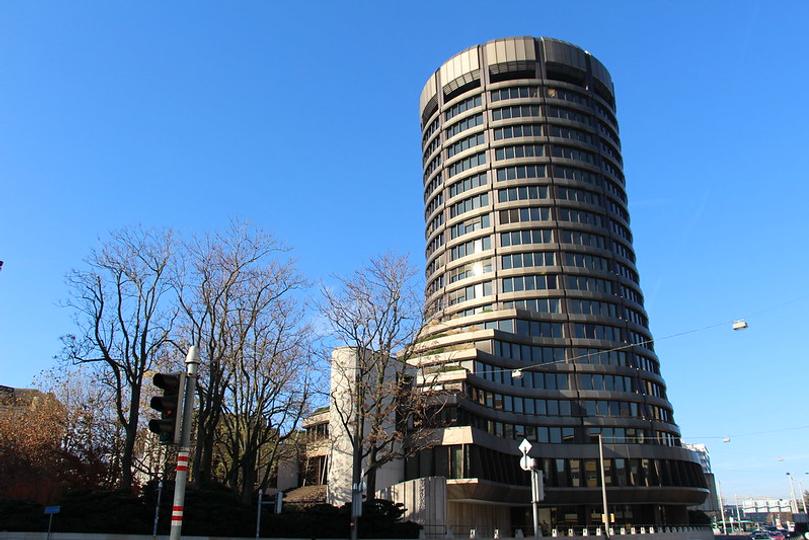
BIS Project Agorá: Transforming Cross-Border Payments Through Tokenization
The Bank for International Settlements (BIS) has revealed that tokenization could address critical inefficiencies in cross-border payments, ranging from sluggish processing times to the high costs associated with interbank reconciliation. Through a collaborative effort known as Project Agorá, the BIS is exploring how digital transformations can streamline the global movement of funds.
The Push for Atomic Settlement
Project Agorá is a joint initiative involving the BIS, seven central banks, and more than 40 private financial institutions. The project focuses on the use of tokenized central bank reserves and commercial bank deposits to facilitate “atomic settlement” across various currencies and jurisdictions.
Atomic settlement operates on an “all or nothing” principle. This mechanism is designed to reduce the risk that one side of a cross-border transaction fails while the other succeeds, ensuring a more secure exchange of value.
Addressing Systemic Inefficiencies
Currently, cross-border transfers often pass through multiple intermediary banks before reaching their destination. This fragmented process can lead to delays, returned payments, and operational risks, with settlements often taking several days to complete.

According to reports, leveraging blockchain platforms and tokenization may reduce these delays and minimize payment failures. This shift comes as the BIS, often described as the “central bank for central banks,” increases its research into how governments and firms move securities and funds globally.
Broader Market Integration
The findings from Project Agorá align with broader efforts by global asset managers and banks. For instance, the DTCC, a Wall Street clearinghouse, plans to introduce tokenized settlement infrastructure for U.S. Treasuries, ETFs, and stocks.
Similarly, Intercontinental Exchange (ICE), which owns the NYSE and Nasdaq, is developing a blockchain-based system specifically for tokenized stocks. These parallel efforts indicate a systemic move toward digitizing traditional financial assets.
Future Outlook and Regulatory Warnings
Participants in Project Agorá are expected to move beyond simulation phases. A possible next step involves conducting tests with real-value transactions involving specific institutions and currencies. The Bank of Canada joined the initiative this week, further expanding the project’s reach.
However, the BIS has issued warnings regarding stablecoins—digital currencies pegged to fiat and issued by private companies. The institution suggests that these assets could pose risks to the financial system, which may lead to a call for accelerated regulatory efforts to prevent fragmentation.
Frequently Asked Questions
What is the primary goal of Project Agorá?
Project Agorá aims to solve major cross-border payment issues, such as slow payment times and high-cost reconciliation, by using tokenized central bank reserves and commercial bank deposits.

How does “atomic settlement” improve financial transactions?
Atomic settlement follows an “all or nothing” principle, which reduces the risk that one party’s payment fails while the other party’s payment succeeds during a cross-border transaction.
What is the BIS’s position on stablecoins?
The BIS has warned that stablecoins issued by private companies could pose risks to the financial system and has urged for faster regulatory action in this sector.
Do you believe the transition to tokenized settlements will eventually eliminate the need for intermediary banks in global trade?