
Bolivia Faces Democratic Crisis Amidst Diplomatic Weakness and Global Isolation
Bolivia faces a significant international diplomatic challenge as the platform Diplomacia en Democracia warns that a lack of strategic foreign presence leaves the country vulnerable to destabilization efforts. According to the organization, the government of President Rodrigo Paz Pereira is struggling to counter an organized offensive due to a disarticulated Foreign Service and an absence of key diplomatic representation worldwide.
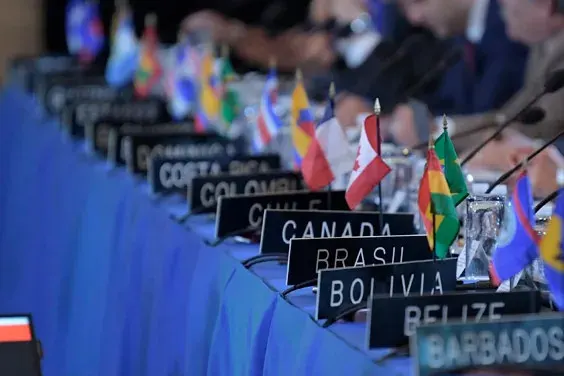
The platform Diplomacia en Democracia is urging the Bolivian government to leverage the 56th General Assembly of the Organization of American States (OAS), scheduled for June 22–24, 2026, in Panama, as a critical opportunity to activate inter-American mechanisms for the defense of democracy.
Current diplomatic vulnerabilities
The current crisis in Bolivia extends beyond internal political disagreements, according to the platform. Diplomacia en Democracia identifies the ongoing pressure as a campaign fueled by political and ideological networks, potentially linked to previous government structures and illicit interests. These forces, the group argues, aim to undermine the constitutional government of President Paz Pereira.

The Ministry of Foreign Affairs is currently under scrutiny for failing to deploy an international strategy proportional to these threats. The absence of ambassadors in strategic regions has reportedly hindered the government’s ability to defend its democratic legitimacy, explain the factual context of the crisis to the global community, and secure international support. This communication gap leaves the country exposed to disinformation campaigns that can negatively impact foreign investment and national stability.
The situation highlights a classic diplomatic trade-off: when a state prioritizes internal consolidation at the expense of its external footprint, it risks losing the “battle for the narrative.” Without active, professional representation in key global capitals, the government loses its primary mechanism to counter international perceptions, effectively allowing external actors to dictate the terms of the country’s democratic standing.
What could happen next
If the government fails to address these diplomatic gaps, it may face increasing isolation during regional crises, according to the analysis provided by the platform. A possible next step involves the government shifting its foreign policy agenda to prioritize democratic defense; this would require an immediate, coordinated effort to appoint ambassadors and engage with democratic allies.
Should the administration opt to pursue the recommended course of action, it could seek a formal Meeting of Consultation of Ministers of Foreign Affairs within the OAS framework. This move would be intended to utilize the Inter-American Democratic Charter to validate the current government’s position. Conversely, if the current, more passive approach continues, the country may struggle to counter the influence of external political narratives that seek to challenge its constitutional order.
Frequently Asked Questions
What is the primary concern of Diplomacia en Democracia?
The platform warns that Bolivia is internationally weakened due to a disorganized Foreign Service and a lack of diplomatic representation in key countries, which complicates the defense of its constitutional government against destabilization efforts.
What specific action is requested of the government?
Diplomacia en Democracia has urged President Paz Pereira to instruct the Foreign Ministry to coordinate with democratic allies to call for a Meeting of Consultation of Ministers of Foreign Affairs of the OAS during the 56th General Assembly in Panama.
How is the current crisis characterized by the platform?
The group states that the crisis is not merely a social or political dispute, but an offensive by informal power networks and ideological groups aiming to destabilize the state and the government of President Paz Pereira.
How should a nation balance its internal political stability with the need for a professional and active international diplomatic presence?