
Boozer brothers join NMDP to boost stem cell donor registry
Brothers Cameron, Cayden, and Carmani Boozer have partnered with NMDP to recruit adults ages 18 to 35 for its blood stem cell donor registry. The initiative aims to increase donor diversity for patients with sickle cell disease and blood cancers, following Carmani Boozer’s successful childhood transplant, according to an organization press release.
Why are the Boozer brothers partnering with NMDP?
The partnership is based on a family history of survival. Carmani Boozer was cured of sickle cell disease (SCD) at 21 months old through a blood stem cell transplant using umbilical cord blood from his twin brothers, Cameron and Cayden.
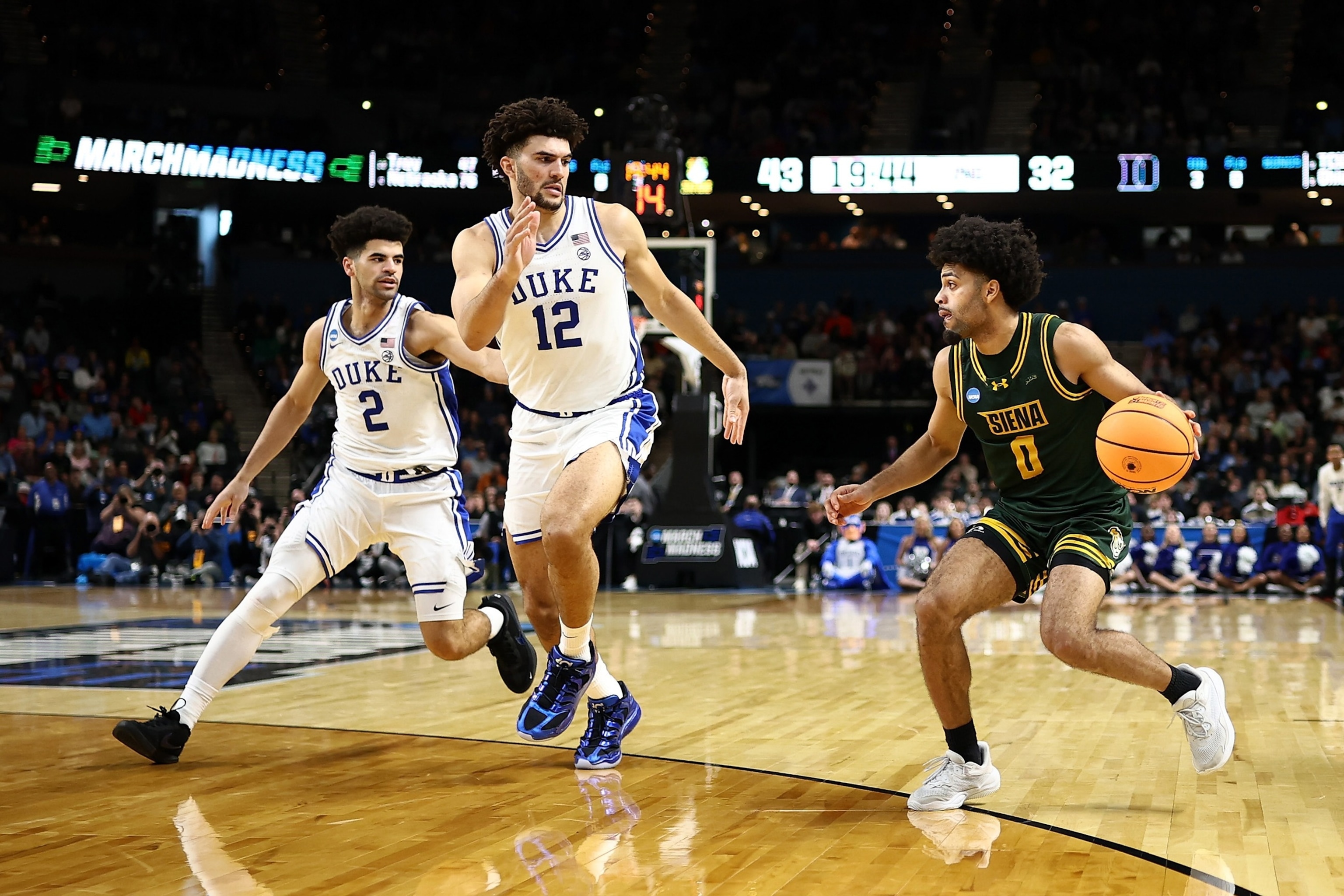
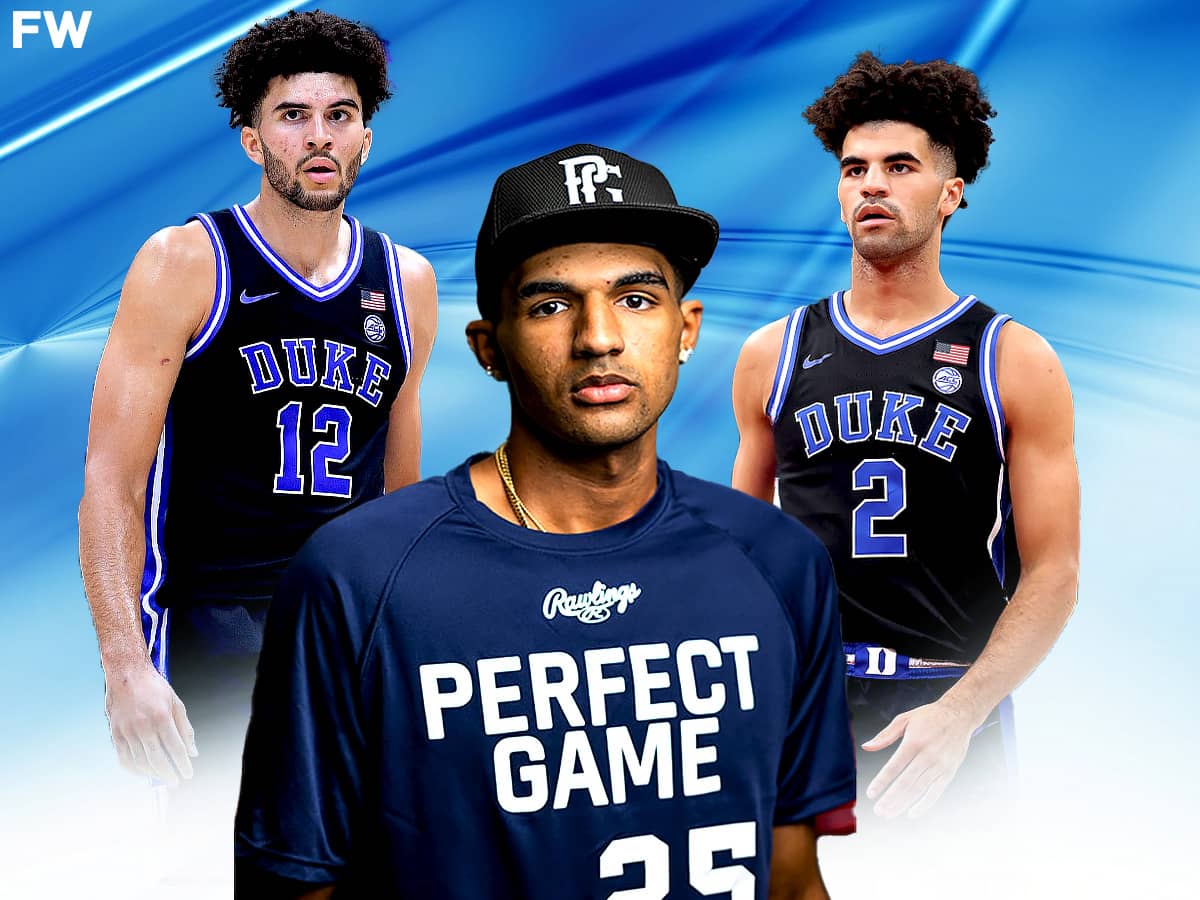
Cameron Boozer stated the cause is “extremely personal” for the family. He noted the goal is to share their history to raise awareness regarding the power of cell therapy.
Julie Smolich, NMDP’s senior vice president of marketing and community engagement, said the brothers are using their voices to help others understand the impact of transplants and inspire a new generation to act.
How does a blood stem cell transplant cure sickle cell disease?
SCD is an inherited disease where the body produces an abnormal version of hemoglobin. This protein causes red blood cells to become stiff and take on a crescent or sickle shape, which can lead to blood vessel blockage and cell destruction.
A blood stem cell transplant replaces the patient’s blood-forming stem cells with healthy cells from a donor. This process allows the body to produce healthy red blood cells that lack the disease-causing hemoglobin, according to NMDP.
Finding a match is the primary challenge. NMDP reports that approximately 75% of patients requiring a transplant do not have a fully matched donor within their family and must rely on an unrelated donor from a registry.
What are the barriers to accessing these transplants?
Financial costs are the primary obstacle for patients, according to the NMDP press release. Expenses often include medications, temporary housing, and travel for treatment away from home.
To address this, NMDP provides patient assistance grants. Last year, the nonprofit gave more than $7 million in grants to over 3,400 families. NMDP noted that the number of families seeking this financial aid has more than doubled compared to the previous year.
Fundraising efforts have seen significant contributions. Big Nova donated $3 million last year, helping NMDP surpass a $100 million fundraising goal to increase access to cell therapies and transplants.
What happens next for the campaign?
Cameron and Cayden Boozer are expected to use social media, hospital visits, and NMDP Registry drives to increase awareness. Carmani Boozer will advocate for patients by sharing his personal experience.
The campaign may lead to an increase in registrations among adults aged 18 to 35. Potential donors only need to provide a cheek swab to identify immune markers for matching.
Further fundraising efforts could result in more available patient assistance grants, which may reduce the financial burden for families seeking curative transplants.
Frequently Asked Questions
How does someone join the NMDP Registry?
Registration begins with a simple cheek swab used to identify immune markers and determine if the person is a suitable match for a patient.
What happens if a person is matched as a donor?
Donation can involve either bone marrow, which is the spongy tissue inside bones, or peripheral blood stem cells collected from the bloodstream.
What is the goal of the Boozer brothers’ partnership?
The brothers are encouraging adults ages 18 to 35 to join the registry and promoting fundraising to increase patient assistance grants for those who cannot afford transplant-related costs.
Would you consider joining a donor registry to help someone find a life-saving match?