
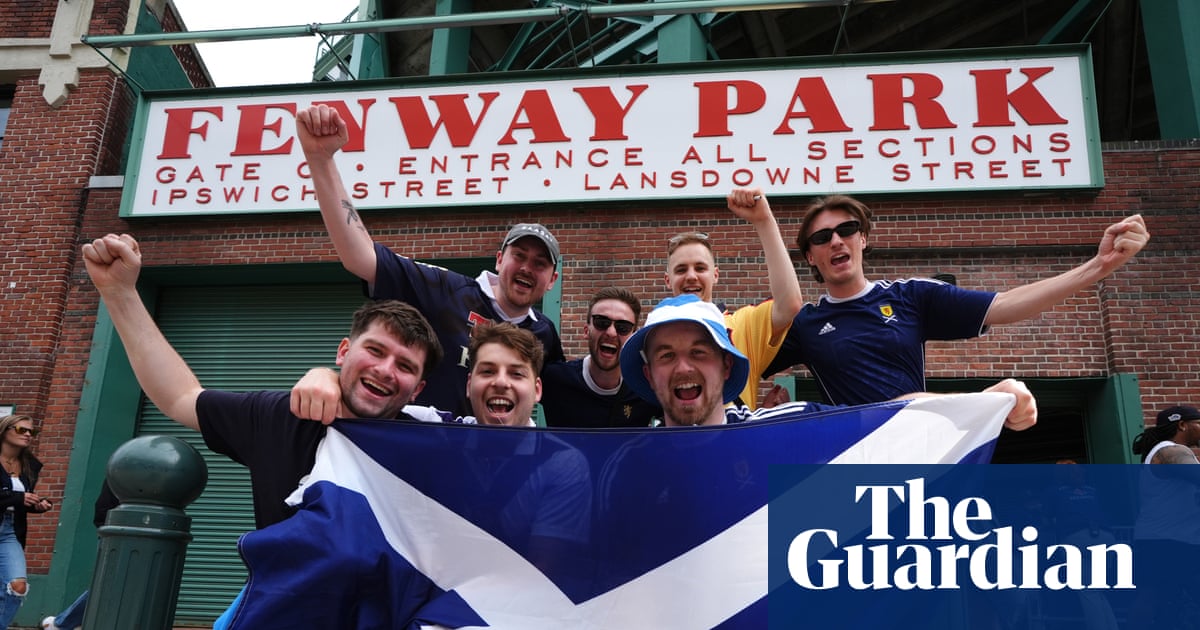
Boston’s Love Affair With Scotland’s Tartan Army
Mayor Michelle Wu of Boston confirmed a twin city agreement with Glasgow on Thursday, marking a formalization of cultural and sporting ties between the two cities. The deal, signed during an event attended by Scottish representatives including a man in a kilt wearing a T-shirt reading “I’m not perfect, but I am Scottish, and that’s kind of the same thing,” aims to “create new opportunities for meaningful cooperation and mutual growth,” according to Wu. The arrangement also highlights “longstanding ties between Scotland and the United States” and “goodwill generated during the Fifa World Cup 2026,” signaling Boston’s embrace of the Tartan Army’s growing influence.
Scottish fans arrived in New England 10 days prior, drawing attention for their enthusiasm and traditions. Their presence coincided with the U.S. men’s national team’s victory over Haiti in Boston, sparking a wave of social media content showcasing their tailgating, dancing, and drinking habits. Bars like Sam Adams reported selling 3,000 pints of Boston lager in 48 hours, while Hennessey’s saw sales three times higher than St Patrick’s Day. Tennent’s, a Scottish beer brand, stated it had prepared for the demand since December, though one bar’s distributor faced supply challenges.
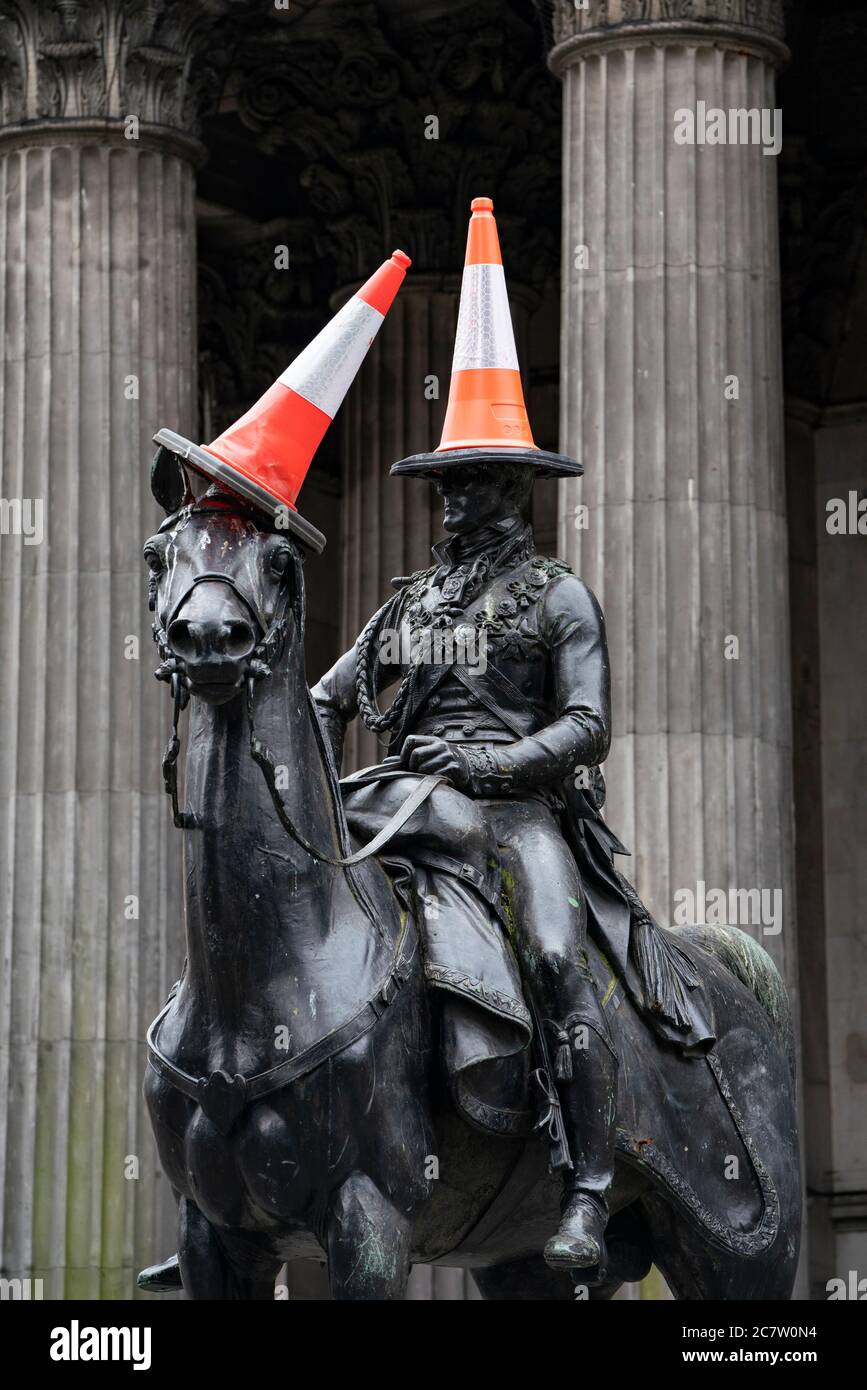
Local reactions to the fans have been largely positive. Adam Robb, a Scottish visitor, described Boston residents as “incredible” after police bought him breakfast following a passport loss. Despite ticket prices for the U.S.-Scotland match rising to £700, demand remains high, with some fans expecting Americans to dominate resale markets. Meanwhile, traditions like placing traffic cones on Boston statues—echoing a Glasgow practice—have taken root, and Jobi Liquors, a Boston store with a name that confuses Scottish visitors, has become a pilgrimage site.
The twin city designation could lead to increased cultural exchanges, but its long-term impact remains unclear. Local businesses may benefit from sustained fan interest, though organizers will need to balance enthusiasm with logistical challenges. As the U.S. prepares to host the 2026 World Cup, Boston’s experience with the Tartan Army may serve as a case study for managing similar international crowds.

Frequently Asked Questions
What is the significance of Boston and Glasgow’s twin city agreement?
The agreement, confirmed by Mayor Michelle Wu, formalizes cultural and sporting ties between the two cities, citing “longstanding ties between Scotland and the United States” and “goodwill generated during the Fifa World Cup 2026.”
How have Scottish fans impacted Boston’s local businesses?
Bars like Sam Adams reported selling 3,000 pints of Boston lager in 48 hours, while Hennessey’s saw sales three times higher than St Patrick’s Day. Tennent’s, a Scottish beer brand, noted supply challenges due to demand.
What traditions have Scottish fans introduced in Boston?
Fans have adopted practices such as placing traffic cones on statues, a nod to Glasgow’s Queen Street, and visiting Jobi Liquors, a store whose name causes confusion among Scottish visitors.
What might happen next with the Tartan Army in Boston?
Analysts suggest the fan presence could continue influencing local culture, but cities may need to address infrastructure strains. The 2026 World Cup could further amplify such interactions, depending on how organizers manage large international gatherings.
What role might the twin city agreement play in future collaborations?