

Brain Fog: How Diet and Gut Health Impact Mental Clarity
Millions of people are increasingly familiar with the sensation of “brain fog”—a state characterized by cognitive slowness, difficulty finding words, memory lapses and a persistent feeling of mental disconnection. While not an official clinical diagnosis, this umbrella term describes a reality that has become more prevalent since the onset of the pandemic, often linked to chronic stress, digestive issues, and inflammatory conditions.
The Gut-Brain Connection
New evidence published in Current Nutrition Reports suggests that the answer to mental clarity may lie in our daily nutrition. Researchers from the Hacettepe University in Ankara, Turkey, have examined the physiological mechanisms connecting our diet to the gut-brain axis, sleep quality, and brain inflammation.
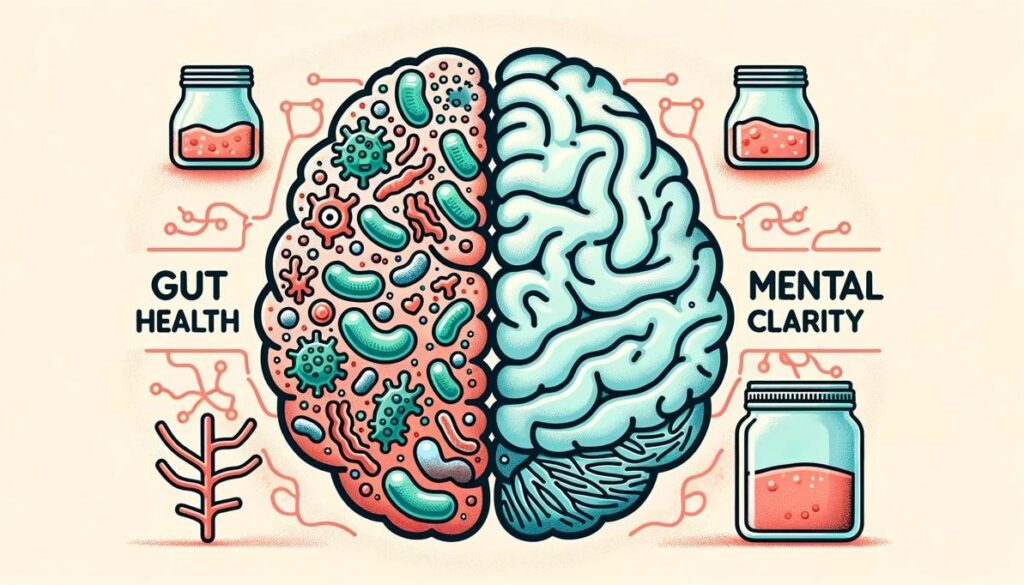
The study posits that “brain fog” may be fueled by a cycle of low-grade, persistent brain inflammation that disrupts neuronal communication. This state is often found in individuals dealing with long COVID, fibromyalgia, chronic fatigue syndrome, autoimmune diseases, or menopausal symptoms, creating a significant impact on daily productivity and emotional well-being.
The Role of Nutrition and Sleep
The research highlights a “vicious cycle” between diet and rest: imbalanced eating habits disrupt sleep, while poor sleep quality encourages the selection of less healthy food choices. This interplay directly affects the microbiota, which plays a fundamental role in neuronal development and activity.
Among the dietary patterns analysed, the Mediterranean diet emerged as the most effective for reducing neuroinflammation and improving the gut-brain connection. Other models, such as the DASH, MIND, and healthy Nordic diets, also showed benefits by prioritizing fresh, whole foods over industrial products.
What Happens Next?
As research continues, it is likely that healthcare providers will increasingly integrate dietitians and nutritionists into the care plans for patients reporting cognitive fog. Future clinical approaches may prioritize anti-inflammatory, plant-based diets rich in fiber, antioxidants, and omega-3 fatty acids as a primary strategy for symptom management.
While some interest exists regarding ketogenic diets and probiotic supplementation, researchers emphasize that current evidence remains insufficient or uneven. A possible next step for the field is the development of more rigorous, large-scale human studies to determine if specific supplements can truly be recommended as a standard intervention for cognitive clarity.
Frequently Asked Questions
Is brain fog a recognized medical condition?
No, brain fog is not an official clinical diagnosis. It is an umbrella term used to describe a collection of subjective symptoms, including memory loss, mental disconnection, and difficulty concentrating.
How does diet influence mental clarity?
According to recent studies, diet can modulate brain inflammation and the gut-brain axis. Patterns like the Mediterranean diet, which emphasize whole, fresh foods, may reduce inflammation and improve sleep, thereby supporting better cognitive performance.
Are probiotics a recommended treatment for brain fog?
Researchers currently urge caution regarding probiotics. While their use has grown, there is not yet sufficient scientific evidence to recommend them as a generalized treatment for brain fog.
How has your approach to nutrition changed in response to your own mental energy levels?