
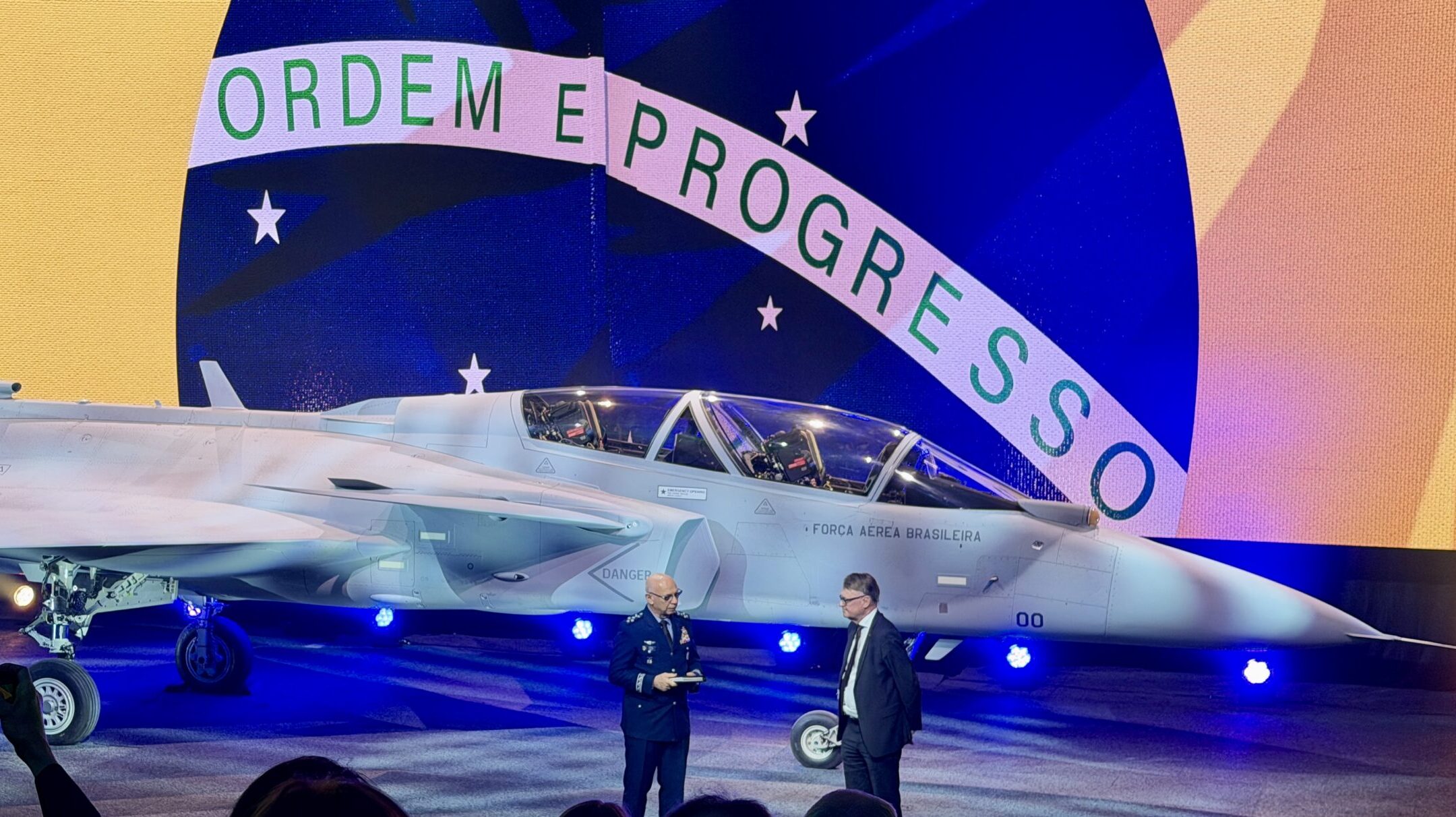
Brazil Seeks 20 Additional Gripen E Jets to Expand Fighter Fleet to 56
Beyond the Horizon: The Strategic Evolution of Global Air Power
The recent signals from Brasilia regarding the expansion of its Gripen fleet aren’t just about adding numbers to a hangar; they represent a fundamental shift in how mid-sized powers approach national sovereignty. When a nation moves from a baseline fleet of 36 to nearly 60 advanced fighters, it is no longer just maintaining a presence—it is establishing a credible deterrent.
This trend reflects a broader global movement where nations are prioritizing “smart” air power over sheer volume. The shift toward the Saab Gripen E/F series highlights a growing preference for platforms that balance high-end capability with sustainable operational costs.
The Rise of Localized Aerospace Hubs
One of the most significant trends in modern defense procurement is the move away from “off-the-shelf” purchases toward deep industrial integration. Brazil’s partnership with Saab is a masterclass in this strategy. By assembling the Gripen E locally, Brazil isn’t just buying a plane; it’s building an ecosystem of high-tech jobs and engineering expertise.
We are likely to see more “regional hub” models in the future. When a country like Colombia signs for 17 aircraft or Thailand invests in the E/F variant, they aren’t just looking at the airframe. They are looking at the ability to maintain, modify, and potentially manufacture components within their own borders to avoid dependence on a single foreign supplier during a crisis.
This localization strategy reduces the “logistical tail” and ensures that a nation’s air force remains operational even if global supply chains are disrupted—a lesson learned painfully by many during recent geopolitical upheavals.
AI and the Digital Cockpit: The New Frontier of Air Combat
The conversation around the Gripen is increasingly shifting from aerodynamics to algorithms. The integration of AI agents and world-leading electronic warfare (EW) capabilities is transforming the fighter jet from a weapon system into a data node.
Future air combat will not be decided by who has the fastest jet, but by who has the best information. The “AI agent” mentioned by defense officials allows pilots to manage vast amounts of sensor data without becoming overwhelmed, effectively acting as a virtual co-pilot that handles system optimization while the human focuses on tactical decision-making.
As we look forward, expect to see these AI capabilities evolve into “loyal wingman” programs, where manned Gripen jets command fleets of unmanned autonomous drones to scout enemy territory or soak up missile fire, drastically reducing the risk to human pilots.
Why the ‘Middle-Weight’ Fighter is Winning the Global Market
For decades, the trend was “bigger is better,” leading to the dominance of heavy, expensive stealth fighters. However, we are seeing a correction. Many nations realize that they don’t need a fleet of ultra-expensive stealth bombers to protect their borders; they need a versatile, reliable, and cost-effective multi-role fighter.

The Gripen E/F fits this “Goldilocks” zone perfectly. It offers:
- Superior Electronic Warfare: Capable of jamming and evading modern radar.
- Operational Flexibility: The ability to take off and land on short, improvised runways.
- Interoperability: A platform that can integrate with various NATO and non-NATO systems.
This is why we are seeing a “User Club” effect. From Ukraine’s plans to acquire E/F models to potential interest from Canada, the more nations that adopt the platform, the more the ecosystem grows. A larger user base leads to shared training, joint maintenance protocols, and faster software updates.
Frequently Asked Questions
What is the difference between the Gripen E and Gripen F?
The Gripen E is the single-seat version designed for primary combat operations, while the Gripen F is the two-seat variant, often used for training or complex missions requiring a second operator.
Why is Brazil increasing its fleet to 56 aircraft?
Staff studies indicated that a fleet of 50 to 60 aircraft is the minimum requirement to effectively maintain national sovereignty and provide full air coverage over Brazil’s vast territory.
How does AI improve fighter jet performance?
AI agents help pilots filter massive amounts of data from sensors and radar, automating routine tasks and enhancing situational awareness, which reduces pilot fatigue and increases combat effectiveness.
What do you think about the shift toward localized defense production? Is it a sustainable model for mid-sized powers, or does it create too much complexity? Let us know your thoughts in the comments below or subscribe to our aerospace newsletter for the latest industry insights.