

Brendan Carr Targets E-Rate Program to Mask Censorship and Telecom Interests
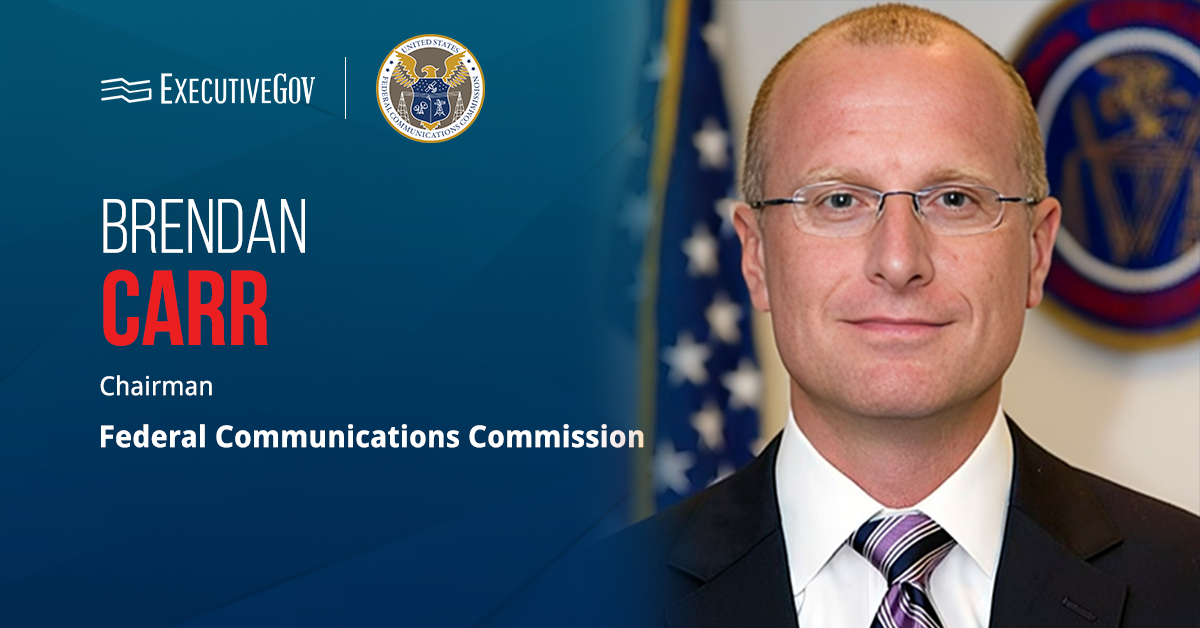
FCC Commissioner Brendan Carr has signaled plans to overhaul the E-Rate program, a multibillion-dollar federal initiative providing discounted broadband to schools and libraries. Carr cites concerns over student "screen time" and potential exposure to harmful content as primary drivers for these proposed reforms, though critics argue the move serves to consolidate ideological control over educational technology and benefit major telecommunications providers.
How the E-Rate Program Functions
The E-Rate program, formally known as the Schools and Libraries Program of the Universal Service Fund, allocates approximately $3 billion annually to ensure affordable internet access for educational institutions. According to the Federal Communications Commission (FCC), the fund is intended to bridge the digital divide in rural and underserved areas. Telecom companies provide the infrastructure, while the federal government subsidizes a portion of the costs for schools and libraries. While the program has historically operated with bipartisan support, recent commentary from Commissioner Carr suggests a shift in how federal oversight may be applied to these network connections.
Did you know? The E-Rate program was established under the Telecommunications Act of 1996 to ensure that schools and libraries could access modern telecommunications services at discounted rates.
Why "Screen Time" Is Becoming a Regulatory Focus
Commissioner Carr recently stated that schools significantly increased digital device usage during the COVID-19 pandemic, leading to what he characterizes as negative educational outcomes. In public remarks, Carr linked high screen time to declining academic performance and lower reading comprehension. He specifically pointed to concerns regarding unfiltered internet access on personal devices brought into schools, suggesting that current law may be insufficient to prevent student access to pornography or other content deemed inappropriate.

Critics, however, suggest that the focus on "screen time" serves as a narrative framework for broader policy changes. Industry observers note that similar arguments have been used by figures like Senators Ted Cruz and Marsha Blackburn to advocate for stricter control over content in digital learning environments.
The Intersection of Telecom Policy and Censorship
The push to reform E-Rate follows a similar effort by Carr and Senator Cruz to dismantle a program providing free Wi-Fi to rural school children. That initiative was halted after officials alleged, without providing specific evidence of systemic bias, that the programs were used to censor conservative viewpoints.
According to critics of the FCC’s current direction, these reforms are not primarily about educational safety. Instead, they argue that the objective is two-fold:
- Ideological Alignment: Implementing stricter filtering requirements that could be used to restrict access to information that deviates from specific conservative perspectives.
- Telecom Interests: Creating a regulatory environment that favors major telecommunications monopolies, such as AT&T, which have historically faced criticism for their role in managing subsidized networks.
Are Current School Filtering Systems Sufficient?
Most U.S. schools currently employ content filtering systems to manage student internet usage. These systems vary in effectiveness; while some are robust, others are frequently bypassed by students using simple workarounds like VPNs.
Pro Tip: If you are a school administrator, review your current Acceptable Use Policy (AUP) to ensure it complies with the Children’s Internet Protection Act (CIPA), which already mandates that schools receiving E-Rate funding have an internet safety policy in place.
Industry experts point out that the FCC’s role has historically been to ensure technical connectivity rather than mandate specific content-filtering standards for personal devices. Expanding the commission’s authority into the regulation of student screen time or the types of content viewed on private devices would represent a significant departure from the agency’s traditional scope.
Frequently Asked Questions
What is the E-Rate program?
It is an FCC-managed program that provides discounts to schools and libraries for telecommunications and information services, supported by the Universal Service Fund.
What changes is Brendan Carr proposing?
Carr has indicated a desire to "reform" the program, citing concerns about student screen time, academic performance, and the potential for students to access inappropriate content on devices connected to school networks.
Do schools already filter internet content?
Yes. Under the Children’s Internet Protection Act (CIPA), schools receiving E-Rate funding are already required to have an internet safety policy that includes technology protection measures to block access to obscene or harmful material.
Why do critics oppose these reforms?
Critics argue that the "screen time" justification is a pretext for implementing broader censorship and expanding political control over classroom digital access, rather than a genuine effort to improve educational outcomes.
Do you have thoughts on how federal broadband policy impacts your local schools? Join the conversation in the comments section below or subscribe to our newsletter for updates on telecom regulation.