
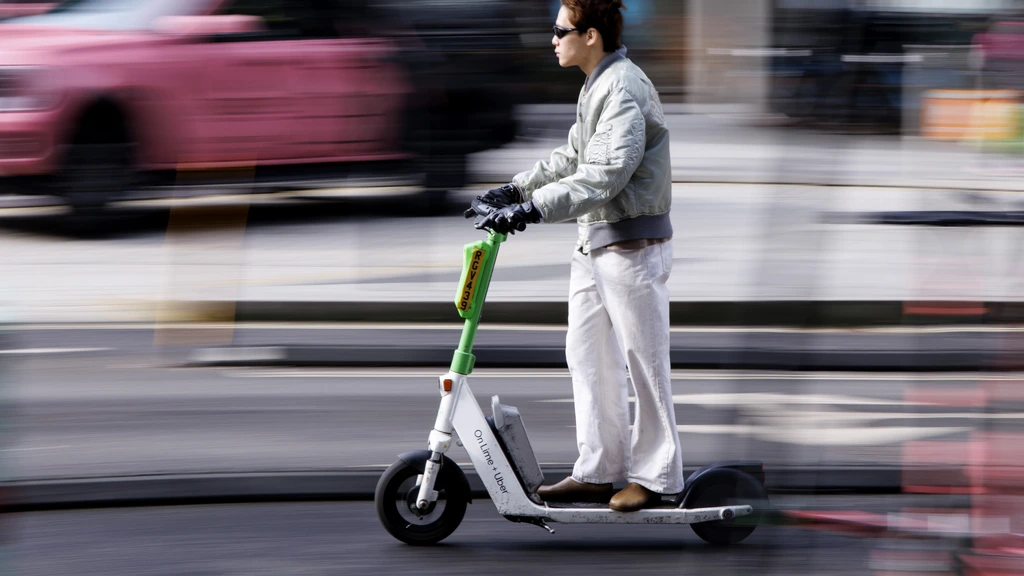
Brussels Bans Shared E-Scooters Due to Safety and Crime Concerns
Brussels will ban electric rental scooters starting in 2027, following similar restrictions in Paris, Madrid, Prague, and Melbourne. Local authorities cite 666 injuries last year—a 25% increase over 2024—and the use of scooters in 25 shootings, according to public prosecutor Julien Moinil and Belgian media reports on June 11, 2026.
Why is Brussels banning rental e-scooters?
The city is prioritizing pedestrian safety and public order over app-based rentals. According to Mobility Minister Van den Brandt, scooter accidents result in higher injury rates than bicycle falls. Van den Brandt also noted that poorly parked scooters block sidewalks, creating hazards for the elderly, people with limited mobility, and parents with strollers.

Crime has played a significant role in the decision. Public prosecutor Julien Moinil stated that rental scooters are the “favorite transport” for drug dealers because they allow for quick escapes from police. Moinil confirmed that these vehicles were involved in at least 25 shootings over the last year.
How does Brussels compare to other global cities?
Brussels isn’t alone in this crackdown. The city joins a growing list of major capitals—including Paris, Madrid, and Prague—that have banned or severely restricted rental e-scooters to reclaim sidewalk space. Melbourne has implemented similar measures to curb urban clutter and safety risks.
While these cities share a goal of reducing “sidewalk chaos,” the Brussels case is distinct due to the explicit link to violent crime. While Paris focused heavily on environmental waste and clutter, Brussels authorities are framing the ban as a matter of public security and criminal deterrence.
What do the operators Bolt and Dott say?
The companies are fighting the narrative that scooters are merely toys. Bolt reports that 150,000 people in Brussels use their e-scooters annually. The company argues these vehicles are a key part of the city’s transport infrastructure, not just a leisure activity.
Dott told public broadcaster VRT that the city’s logic is flawed, questioning why scooters are being banned when cyclists and scooter riders constantly face risks from cars and trucks. Both Bolt and Dott expressed they are “deeply disappointed” by the decision to let their licenses expire.
What happens to other micro-mobility options?
The ban is specific to rental e-scooters. Minister Van den Brandt confirmed that shared bicycles will remain allowed in the city. This suggests the city isn’t against micro-mobility itself, but specifically the “dockless” nature of rental scooters that leads to sidewalk obstruction and their ease of use in criminal getaways.
Comparison: Rental Scooters vs. Shared Bikes in Brussels
| Feature | Rental E-Scooters | Shared Bikes |
|---|---|---|
| Status after 2026 | Banned | Permitted |
| Primary Concern | Crime & Sidewalk Blockage | Standard Traffic Risk |
| User Base | 150,000/year (Bolt) | Not specified |
Frequently Asked Questions
When does the Brussels e-scooter ban start?
The ban takes effect after the current licenses for operators Bolt and Dott expire at the end of 2026.
Why are rental scooters being banned?
Authorities cite a 25% increase in injuries (666 total last year), sidewalk obstructions for disabled persons, and their use by drug dealers to evade police.
Are private e-scooters also banned?
The reported ban specifically targets the rental companies (shared scooters) whose licenses are not being renewed.
Which other cities have banned rental scooters?
Paris, Madrid, Prague, and Melbourne have all implemented similar bans or restrictions.
Do you think city bans on rental scooters improve safety or hinder urban mobility?
Share your thoughts in the comments below or subscribe to our newsletter for more updates on urban transport trends.